Can Baked Potatoes Be Reheated? A Home Cook’s Guide
Explore whether baked potatoes can be reheated safely and deliciously. Learn the best methods (oven, microwave, air fryer), safe storage practices, and tips to preserve texture and flavor for tasty leftovers.


Yes, baked potatoes can be reheated safely, but quality depends on storage and method. Reheat whole potatoes in the oven or air fryer to restore crust, or slice them for quick microwave warming. Always refrigerate leftovers within two hours and reheat to 165°F (74°C) internal temperature. Avoid soggy skins by drying and finishing with a hot finish.
Why reheating baked potatoes is feasible
According to Bake In Oven, reheating baked potatoes is not only possible but can deliver delicious results when you respect safety and texture principles. Home cooks often worry that reheated potatoes will be dry or rubbery, but with the right approach you can preserve moisture, soften the center, and even restore a crisp skin. The key is to control moisture, heat, and timing, and to avoid letting potatoes sit at room temperature too long. In this section we will explore why reheating works, the science of potato texture changes when heated again, and practical expectations for different reheating methods. We'll reference Bake In Oven Analysis, 2026 for practical steps and common-sense guidance that helps you minimize waste and maximize flavor in leftovers. Readers will learn the tradeoffs between oven texture and microwave speed, how to store baked potatoes safely, and how to plan meal prep so that leftovers reheat reliably. While not all leftovers reheat equal, most baked potatoes can be revived with a little planning, attention to temperature, and smart finishing touches like herbs or butter.
Safety basics: storage and temperature
Safety first: reheating baked potatoes must start with proper storage. Refrigerate leftovers promptly after baking, ideally within two hours, and keep them in shallow, airtight containers to promote even cooling. When you reheat, ensure the potato’s internal temperature reaches at least 165°F (74°C) to kill surface bacteria and reduce food-safety risk. If potato portions were left at room temperature beyond two hours, discard them to avoid toxins and bacterial growth. For best results, label containers with date and use within 3-4 days. Always wash hands, utensils, and surfaces after handling raw potatoes and before reheating. If you plan to hold reheated potatoes for a short period, keep them warm at 140°F (60°C) or higher after reheating, and serve promptly.
Choosing the reheating method: oven, microwave, air fryer
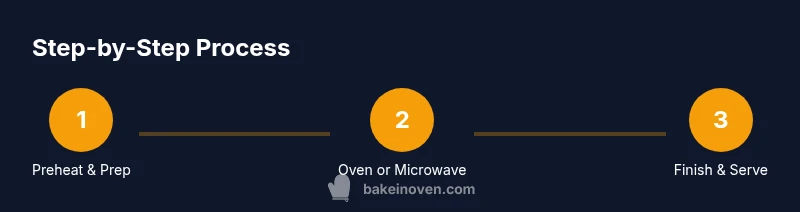
The method you choose affects texture, time, and moisture retention. The oven is ideal for whole potatoes if you want to restore a crisp skin and even warmth; it takes longer but yields quality texture. The microwave is fastest and convenient for portions or slices, but risks soggy skins if not finished with a crisping step. The air fryer offers a middle ground—quick reheating with a dry finish that can mimic roasted potatoes. Consider how you plan to serve the potato (plain, loaded, or with toppings) and how much time you have. In general, whole potatoes fare better in the oven, while sliced potatoes reheat more evenly in the microwave or air fryer.
Oven reheating: whole potatoes for best texture
Oven reheating is the go-to method when you want to preserve or rebuild a crusty skin and ensure even heating through the potato’s interior. Start by preheating your oven to 375-400°F (190-200°C). Place the whole potatoes directly on a baking sheet or on a rack to allow air to circulate around the skin. If you want to retain moisture, wrap each potato loosely in foil; for crisper skins, skip the foil. Reheat whole potatoes for 15-25 minutes (size dependent) until the center reaches 165°F (74°C). Remove from the oven and let rest 2-3 minutes before serving to allow juices to redistribute. A brief finish under the broiler for 1-2 minutes can revive a crisp exterior.
Microwave reheating: quick but careful
Microwaving is ideal for when time is tight or you’re reheating sliced portions. Slice the potato in half or into thick rounds to accelerate heat transfer and prevent cold centers. Place on a microwave-safe plate, and cover with a damp paper towel or microwave-safe lid to trap steam. Heat in 1-minute bursts, rotating midway, until the interior hits 165°F (74°C). If you want crisper edges, finish with a quick 1-2 minute exposure on a hot pan, or transfer to the oven for a brief crisping.
Air fryer reheating: crisp skin, soft center
Air fryers deliver a balance of speed and texture. Preheat to 350-400°F (175-200°C). For whole potatoes, reheat for 8-12 minutes, turning halfway; for sliced portions, 6-8 minutes with a light spray of oil to encourage browning. Use parchment or a silicone mat to prevent sticking, and avoid overcrowding. Check internal temperature to ensure 165°F (74°C). A short rest after reheating helps set the potato’s structure and improves texture.
Preparing for reheating: pre-portions and toppings
Before reheating, decide whether you’ll reheat whole potatoes or cut them into portions. If you plan to add toppings (butter, sour cream, cheese, chives), consider applying them after reheating to prevent scorching. Dry potato skins with a quick pat of paper towels to minimize moisture buildup, especially when refreshing from the fridge. For uniform heating, cut larger potatoes into halves or thick slices; store in airtight containers to stay moist but not waterlogged. If you’re reheating multiple potatoes, stagger start times to avoid crowding in the oven or air fryer.
Troubleshooting common issues
Soggy skins indicate too much moisture or insufficient finishing heat; pat dry and finish in a hotter oven or air fryer for a minute or two. A cold center means heat did not penetrate evenly; slice or cut into halves to accelerate; consider reheating in shorter bursts. Dry interiors can occur if potatoes were overcooked initially or stored too long; aim for shorter reheating cycles with a quick rest. Uneven heating is common when potatoes are stacked or crowded—allow air circulation by using a rack or giving space between pieces. If texture remains off, finish with a brief broil in the oven to improve surface texture while avoiding burnt edges.
Flavor upgrades and toppings ideas
Reheated baked potatoes are a blank canvas for toppings. After reheating, add a pat of butter, a dollop of sour cream, shredded cheese, chives, or sautéed mushrooms. Creamy fillings like mashed potato bowls or loaded skins can be balanced with a touch of yogurt or olive oil. For a crisp edge, finish in a hot pan with a small amount of oil or butter. Pair with herbs such as parsley, dill, or paprika for brightness and contrast.
Storage and safety after reheating leftovers
Store any reheated potatoes promptly if you won’t serve them immediately; cooled portions should be refrigerated within two hours in shallow containers, and consumed within 3-4 days. Do not reheat leftovers more than once; repeated reheating increases food-safety risk and compromises texture. When reheating a previously refrigerated potato, ensure you reach 165°F (74°C) throughout and allow the potato to rest for a few minutes after heating to redistribute heat evenly. If you notice off smells, unusual texture, or mold, discard immediately.
Quick reference checklist for reheating baked potatoes
- Preheat appliance to appropriate temperature.
- Decide between whole or sliced potatoes.
- Use parchment for crisp skins or foil for moisture.
- Reheat to 165°F (74°C) internally.
- Finish with a crisping step if desired.
- Add toppings after reheating for best texture.
- Do not reheat leftovers more than once.
- Store leftovers safely within two hours of cooking.
Authority sources and further reading
- Authority sources and further reading
- https://www.usda.gov/food-safety
- https://www.fda.gov/food
- https://www.cdc.gov/foodsafety/index.html
Tools & Materials
- Oven(Preheat to 375-400°F (190-200°C))
- Baking sheet or rack(For even heat and air circulation)
- Aluminum foil(Wrap for moisture retention if desired)
- Parchment paper(Helps prevent sticking and makes cleanup easy)
- Microwave-safe plate(For quick reheating of slices)
- Microwave-safe lid or damp paper towel(To trap moisture)
- Air fryer(If using this method)
- Thermometer(Aim for 165°F / 74°C)
- Knife(For slicing large potatoes evenly)
- Tongs or spatula(To handle hot potato pieces)
- Butter, sour cream, cheese, fresh herbs(Topping ideas after reheating)
Steps
Estimated time: 30-60 minutes
- 1
Preheat and prep
Choose your reheating method (oven, microwave, or air fryer) and preheat accordingly. For oven targets, set to 375-400°F (190-200°C); for microwave, use high heat in short bursts; for air fryer, 350-400°F (175-200°C). Prepare potatoes by inspecting for spoilage and trimming any bruised spots. If you plan to use toppings, have them ready after heating.
Tip: Preheating ensures even heating and prevents temperature drops that lead to underdone centers. - 2
Decide whole or sliced
Whole potatoes heat more evenly and preserve moisture, but skins may remain softer. Sliced or halved portions heat faster and can crisp, especially with air frying. Make the choice based on time constraints and texture goals.
Tip: Slicing increases surface area for heat transfer and helps avoid cold centers. - 3
Oven method prep
If reheating in the oven with whole potatoes, arrange on a sheet or rack. You may wrap in foil to retain moisture or leave exposed for crisper skins. Time will vary by size, but expect 15-25 minutes for medium potatoes, checking with a thermometer.
Tip: For crisper skin, skip the foil and finish on a higher rack for the last few minutes. - 4
Oven method – sliced
If reheating slices, lay them in a single layer on a parchment-lined sheet. Lightly oil or butter them if you like extra browning. Reheat for 10-15 minutes, flipping halfway, until heated through and edges are crisp.
Tip: Avoid overcrowding; air needs to circulate for even browning. - 5
Microwave method
Place sliced or halved potatoes on a microwave-safe plate and cover with a damp paper towel. Heat in 60-second bursts, stirring or flipping between bursts, until center reaches 165°F (74°C). If skin softness is an issue, move to a hot pan to crisp briefly.
Tip: Moist heat helps keep the interior tender; avoid prolonged steam that makes skin soggy. - 6
Air fryer method
Arrange halves or slices in a single layer with space between pieces. Air fry at 350-400°F (175-200°C) for 6-12 minutes, turning once. Check internal temp and aim for 165°F (74°C).
Tip: A light spray of oil can improve browning; avoid overcrowding. - 7
Check internal temperature
Use a thermometer to ensure the center of the potato reaches 165°F (74°C). If under, continue heating in short intervals and recheck. This reduces risk of foodborne illness and ensures even texture.
Tip: Insert thermometer into the thickest part of the potato. - 8
Rest before serving
Let reheated potatoes rest for 2-3 minutes after heating. Resting helps juices redistribute and enhances texture. Avoid cutting immediately, which can release steam and make surfaces soggy.
Tip: A small tent of foil can keep heat without trapping too much moisture. - 9
Add toppings after heating
If you plan to load the potato with toppings, apply them after reheating to avoid scorching dairy or herbs. Classic options include butter, sour cream, cheese, chives, or paprika.
Tip: Creamy toppings pair well with warm, fluffy interiors. - 10
Handle leftovers safely
Store any leftovers promptly in shallow containers and refrigerate within two hours of cooking. Reheat leftovers only once to minimize safety risks and preserve texture.
Tip: Label containers with date for easy tracking. - 11
Cleanup and sanitation
Wash all utensils and surfaces that contacted raw potatoes, and sanitize after handling. Proper cleanup helps prevent cross-contamination in future meals.
Tip: Sanitize knives and cutting boards to avoid lingering aromas and bacteria. - 12
Serving idea and optimization
Pair reheated potatoes with a fresh green salad, grilled vegetables, or a protein for a balanced meal. Consider a squeeze of lemon, herbs, or a dollop of yogurt for brightness.
Tip: Small tweaks can transform leftovers into a new dish with minimal effort.
Frequently Asked Questions
Can baked potatoes be reheated more than once?
It is best to reheat baked potatoes only once. Repeated reheating increases the risk of foodborne illness and degrades texture and flavor.
Reheat potatoes only once to stay safe and enjoy better texture.
What is the best method to reheat baked potatoes for texture?
For best texture, reheat whole potatoes in the oven to re-crisp the skin, or use an air fryer. Sliced portions reheat quickly in the microwave or air fryer but may lose crispness.
Oven or air fryer gives the best skin texture, while microwave is faster.
How long should I reheat a leftover baked potato in the oven?
Reheat whole potatoes in the oven at 375-400°F for about 15-25 minutes, depending on size, until the center hits 165°F.
About 15 to 25 minutes in a hot oven, check the center temperature.
Is it safe to reheat potatoes that were left out overnight?
No. Potatoes left out at room temperature for more than two hours can harbor bacteria and toxins. Do not reheat them.
If potatoes sat out too long, discard them for safety.
Can I reheat mashed potatoes the same way as baked potatoes?
Mashed potatoes reheat differently and often benefit from gentle reheating on the stove or in a microwave with added dairy to restore texture, rather than attempting to crisp skins.
Mashed potatoes reheat well on the stove or in the microwave with moisture.
Watch Video
Key Takeaways
- Reheating baked potatoes is safe with proper storage and temp control.
- Choose oven for best texture, microwave for speed, or air fryer for balance.
- Reach internal temperature of 165°F (74°C) before serving.
- Avoid reheating leftovers multiple times.
- Finish with toppings to refresh flavor and moisture.