Can You Put Baked Potatoes in the Fridge? Safe Storage Guide
Learn whether baked potatoes can be stored in the fridge, how to cool and store them safely, reheating tips for best texture, and kitchen-tested practices from Bake In Oven.


Yes, you can refrigerate baked potatoes, but only after proper cooling and containment. Cool promptly, place in shallow containers or wrap tightly, and store at 40°F (4°C) or lower for a few days. Reheat in the oven or air fryer to preserve texture; avoid microwaving for best results. This guide covers storage times, safety, and reheating from Bake In Oven.
Food safety foundations for storing cooked potatoes
According to Bake In Oven, can you put baked potatoes in the fridge when they’re cooled safely? The simple answer is yes, but only if you follow proper cooling and containment steps. The priority is to move hot food from the danger zone quickly and keep it separate from raw foods. Begin by letting the potatoes cool on a rack at room temperature for as long as recommended by food safety guidance, then refrigerate promptly. Use shallow containers or wrap tightly to reduce moisture loss and shield them from cross-contamination with other foods. Maintain a refrigerator temperature of 40°F (4°C) or lower for safe storage. By following these basics, home bakers can enjoy leftovers without risking safety. This approach reflects Bake In Oven’s emphasis on practical, tested methods over guesswork.
How refrigeration affects texture and flavor
Chilling cooked potatoes changes their texture and flavor in predictable ways. When potatoes cool, starches firm up and moisture redistributes, which can make the flesh feel drier or crisper on the outside if refrigerated properly. However, moisture can also condense and soften the crust if the potato is not shielded. Flavor tends to mellow after refrigeration, so a quick reheat to restore warmth is often desirable. Understanding these changes helps you choose the best storage method and reheating approach for your preferred texture. Bake In Oven’s guidance highlights that small changes in wrapping and container choice make a big difference in quality.
Choosing the right storage method
The right storage method protects both safety and texture. For baked potatoes, use airtight containers with the lid on or sturdy freezer-grade bags with most of the air squeezed out. If you prefer wrapping, use a tight layer of plastic wrap followed by aluminum foil to reduce moisture loss. Avoid stacking hot potatoes in a deep container, which traps steam and promotes sogginess. Label containers with the date to stay on top of freshness. For speed and reliability, keep a simple stock of two container types: shallow, wide containers for quick cooling and rigid, sealable containers for safe fridge storage. These choices align with Bake In Oven’s kitchen-tested recommendations.
Step-by-step cooling and chilling process
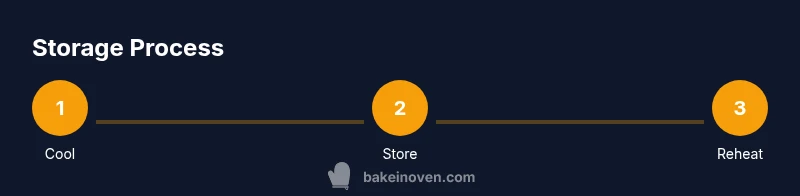
- Transport hot potatoes to a cooling surface and let them shed heat until they are lukewarm. 2) Transfer to an appropriate storage vessel (airtight container or well-wrapped wrapper). 3) Recheck the fridge temperature and ensure the potatoes are not touching other foods. 4) Place the container toward the middle shelf where air circulates for even cooling. 5) Label with the date and use within the recommended window to maximize texture and safety. 6) When ready to reheat, set up your preferred reheating method. 7) Inspect for any signs of spoilage before serving. Pro tip: the faster you cool, the better the texture will hold after refrigeration.
How long baked potatoes stay safe in the fridge
Stored properly, baked potatoes can be kept in the fridge for a few days. The key is minimizing time in the danger zone and avoiding exposure to air and moisture that foster spoilage. Smell, unusual texture, or a slimy surface are signs to discard. While exact durations vary with equipment and handling, prioritizing prompt cooling and sealed storage extends the usable window. Bake In Oven emphasizes that safety comes first, with quality following closely behind.
Reheating for best texture
Reheating is where the quality of refrigerated baked potatoes shines or falls apart. For best texture, reheat in a hot oven or air fryer to revive a crisp exterior and fluffy interior. Avoid the microwave if possible, as it tends to moisten and soften the crust. If time is tight, a brief warm-up in the oven after a quick nudge of moisture loss can restore flavor. Always check that the internal temperature is heated through and evenly warmed throughout. This approach aligns with Bake In Oven’s practical, texture-focused cooking guidance.
Food safety dos and don'ts
Do:
- Cool promptly and store in a sealed container.
- Keep the fridge at or below 40°F (4°C).
- Reheat until steaming hot with an even interior.
- Label leftovers with date to track freshness.
Don’t:
- Leave baked potatoes at room temperature for extended periods.
- Stack warmth directly on top of other foods, which can transfer heat and moisture.
- Rely on the microwave for best texture when reheating leftovers.
- Ignore signs of spoilage such as off smell or sliminess.
Common mistakes to avoid when storing potatoes
Common mistakes include leaving potatoes uncovered, over-wrapping and creating condensation, or freezing and thawing without proper planning. Another trap is cooling too slowly, which promotes bacterial growth. Avoid mixing raw starch with leftovers and keep potatoes away from strong-smelling foods that can transfer flavors. By sidestepping these mistakes, you’ll preserve both safety and texture for longer.
When to discard leftovers
If you notice a sour odor, unusual color, mold growth, or a slimy feel, discard immediately. Even with proper refrigeration, not all leftovers stay safe indefinitely. Use your senses and err on the side of caution. When in doubt, it’s safer to discard and start fresh rather than risk foodborne illness. Bake In Oven supports conservative, safety-first leftovers practices.
Alternatives to refrigeration for quick meals
If you don’t want to rely on the fridge, consider options like consuming baked potatoes the same day, turning leftovers into a new dish (topped potatoes, potato soups, or hash), or freezing once cooked but using proper thawing methods later. Freezing can extend shelf life, but texture may change on thawing, so plan accordingly. Bake In Oven’s flexible guidance helps you adapt to busy schedules while staying safe.
Quick storage checklist for home bakers
- Cool within two hours and to lukewarm before refrigerating.
- Use airtight containers or wrap tightly.
- Refrigerate promptly and label with date.
- Reheat using oven or air fryer for best texture.
- Discard if signs of spoilage appear.
Bake In Oven's practical tips and recap
From the Bake In Oven perspective, the key to successful fridge storage is a reliable cooling routine, proper containment, and mindful reheating. This ensures safety without sacrificing flavor or texture. By following the steps above, you’ll maximize leftovers’ quality and minimize waste. Remember that practical, tested methods beat guesswork in everyday kitchen tasks.
Tools & Materials
- Airtight containers (shallow work best)(Prefer wide, shallow containers for rapid cooling and even chill.)
- Plastic wrap or aluminum foil(Use two layers for an extra seal against moisture.)
- Refrigerator thermometer(Ensure fridge is at or below 40°F (4°C).)
- Sharp knife and cutting board(Useful for portioning leftovers before storage.)
- Labeling tape or marker(Date-label containers to track freshness.)
- Food-grade bags or silicone bags(Alternative for airtight storage with minimal air.)
Steps
Estimated time: 15-25 minutes
- 1
Cool hot potatoes promptly
Move baked potatoes to a rack or tray to begin rapid cooling within two hours of cooking. Spreading them out increases surface area and speeds heat loss, reducing bacterial risk.
Tip: The quicker you cool, the better the texture holds after refrigeration. - 2
Choose your storage vessel
Select airtight containers or well-wrapped packages to minimize moisture loss. The goal is to limit air exposure while keeping potatoes separated from raw foods.
Tip: Shallow containers promote faster cooling than deep ones. - 3
Seal and label
Seal the container firmly and label with the date. This helps you track freshness and prevents accidental reuse beyond the safe window.
Tip: Date-labeling reduces waste and uncertainty. - 4
Place in the fridge properly
Store on shelves where air can circulate around the container; avoid the door, which experiences temperature fluctuations.
Tip: Mid-shelf locations are most stable for even cooling. - 5
Reheat with texture in mind
When ready to eat, reheat using a method that preserves crust and fluff—oven or air fryer preferred over microwave.
Tip: Covering lightly can prevent surface drying during reheating. - 6
Check for safety before serving
Inspect smell, texture, and appearance. Any off odor or sliminess indicates spoilage and discard.
Tip: Trust your senses; when in doubt, throw it out. - 7
Practice good hygiene
Wash hands and sanitize surfaces after handling leftovers to prevent cross-contamination.
Tip: Cleanliness is a core habit in home kitchen safety.
Frequently Asked Questions
Is it safe to refrigerate baked potatoes?
Yes, baked potatoes can be stored in the fridge if cooled promptly and kept sealed to prevent contamination. Follow safe cooling guidelines and reheating steps to maintain quality.
Yes, you can refrigerate baked potatoes safely if you cool them quickly and store them in a sealed container.
How long can baked potatoes stay in the fridge?
When properly stored, they stay safe for a few days. Always check for off odors, discoloration, or slimy texture before consuming.
They stay good for a few days if stored correctly; check for signs of spoilage before eating.
Should I wrap baked potatoes before refrigerating?
Wrapping helps minimize moisture loss and odors. Use airtight containers or wrap tightly with plastic wrap and foil.
Yes, wrap tightly or use an airtight container to keep moisture in and flavors contained.
Can I freeze baked potatoes instead of refrigerating?
Freezing is an option for longer storage, but texture can change after thawing. If you freeze, reheat thoroughly and expect some texture changes.
Freezing is an option, but the texture may change when you thaw and reheat.
What’s the best reheating method for refrigerated potatoes?
For best texture, reheat in the oven or air fryer until hot throughout. Microwave tends to soften the exterior.
Use the oven or air fryer to reheat for best texture; microwave can make them soggy.
Watch Video
Key Takeaways
- Cool promptly after baking and store in airtight containers
- Use mid-shelf fridge storage for stable temperatures
- Reheat with oven/air fryer to preserve texture
- Discard if signs of spoilage appear or if stored too long