Shake and Bake vs Panko: A Baking Substitution Guide
Learn whether Shake 'n Bake can replace panko for crispy coatings in oven-baked dishes, with practical tips, substitutions, and safety notes to help home bakers achieve reliable results.


Yes, you can use Shake 'n Bake as a substitute for panko in many baked coatings, but results differ in texture, flavor, and moisture. Shake 'n Bake provides a pre-seasoned, crispy crust with less airiness than panko, reducing the need for additional egg wash. For best results, adjust moisture and bake time.
Why Substituting Matters
Substituting Shake 'n Bake for panko is a practical option when you want a quick, flavor-packed crust without making a separate breadcrumb mix. This approach is especially useful for weeknight meals, or when pantry items are limited. In many cases, you can still achieve a crispy exterior and a tender inside by adjusting moisture, temperature, and the amount of coating. can you use shake and bake instead of panko? The short answer is yes in many recipes, but with caveats: Shake 'n Bake is a seasoned, pre-mixed coating that includes salt and spices, and it tends to be drier than a fresh breadcrumb crumb. This can affect texture and moisture transfer to the food. Bake In Oven's guidance: always test a small batch first to calibrate time and crispness, and consider the dish you’re coating (chicken cutlets, fish fillets, or vegetables) since the optimal coating will vary. In our tests, the approach consistently delivers reliable crusts on thinner items and reheated leftovers when you follow the steps below.
Shake 'n Bake vs Panko: Texture, Flavor, and Cooking Dynamics
Panko creates a light, airy crunch due to its flaked structure, which bakes into a crisp but delicate crust. Shake 'n Bake is a seasoned coating mix that forms a denser, more uniform crust with built-in salt and spices. When used in place of panko, you’ll notice a stronger, more cohesive bite and less of the loose, flaky texture typical of panko. This difference affects bite, coating integrity, and how fast the crust browns. If you’re aiming for the classic panko crunch, you may need to adjust dough moisture, the surface area of the item, and bake dynamics, like steam release and air circulation. In contrast, Shake 'n Bake shines when you want a quick, ready-to-go coating that minimizes steps and cleanup. Bake In Oven recommends testing a small batch to dial in crispness, especially for thicker cuts or heavily breaded items.
When Shake 'n Bake Works Best
Shake 'n Bake is particularly effective for thin-sliced proteins (like cutlets or tenders), vegetables (such as zucchini sticks or carrot batons), and frozen items that need a fast finish. It’s also handy when you’re substituting in a pantry-friendly cooking scenario where you don’t want to pull out multiple ingredients for a breadcrumb crust. For thick pieces, or when you want a lighter crunch, you may prefer traditional panko or a blend that includes panko for texture variation. The best practice is to consider the dish’s moisture level, the desired crust weight, and the serving temperature. Our Bake In Oven tests show that the coating adheres reliably with a binder and a light oil spray, producing a uniformly crisp crust without sogginess.
How to Prepare Shake 'n Bake Coatings
Start with the Shake 'n Bake mix as your coating base. If you want extra adhesion, first dredge the food in a light layer of flour, then an egg wash (or dairy-free binder) before rolling it in the Shake 'n Bake powder. For a gluten-free option, choose a Shake 'n Bake variant labeled gluten-free and confirm its ingredients. Use parchment paper on the baking sheet to prevent sticking and promote even browning. If you’re short on time, you can skip the flour and egg steps and go straight into the Shake 'n Bake, but expect slightly different adherence and texture. Always shake off excess coating to avoid clumps and ensure even coverage.
Adjusting Moisture and Egg Wash
Moisture control is crucial when substituting. Too much moisture can make the crust soggy, while too little can prevent proper adhesion. Use an egg wash or plant-based binder to help the coating stick; an alternative is a thin milk wash. If you’re avoiding eggs, try a soy- or dairy-free binder approved on the label. For drier items, you can add a light mist of oil to encourage browning. On the flip side, if the coating looks dry, a tiny amount of oil or melted butter can improve browning and texture. Test a small batch to find your preferred balance.
Bake Time, Temperature, and Airflow Considerations
Cook the coated pieces in a hot oven to promote fast crust formation. If you have a convection setting, use it to improve browning and evenness, but monitor to avoid over-crisping. Space items adequately on the sheet for air circulation and rotate halfway through if needed. Since Shake 'n Bake coatings already contain seasoning, taste for salt balance after cooking and adjust future batches accordingly. Remember that thicker pieces will require more time to reach safe internal temperatures, so verify doneness by touch or a thermometer where appropriate.
Pairing Ideas: Dishes That Benefit from Shake 'n Bake
This substitution works well with chicken cutlets, chicken tenders, fish fillets, and certain vegetables like green beans or zucchini. It’s also a convenient option for appetizers, such as bite-sized mozzarella sticks or stuffed mushrooms, where you want a quick crust without a lengthy breadcrumb prep. For variety, mix Shake 'n Bake with a small amount of panko or crushed crackers to adjust texture while preserving the convenience.
Practical Substitution Scenarios with Examples
In a weeknight dinner, you can coat thin chicken cutlets with Shake 'n Bake instead of panko for a fast, flavorful crust. For fish, choose a firm fillet and coat evenly to avoid flaking. For vegetables, slice evenly and pat dry to improve adhesion. If you’re working with leftovers, consider a light re-coating before re-crisping to refresh texture. These practical examples illustrate how Shake 'n Bake can replace panko in many everyday recipes while still delivering a satisfying crust.
Troubleshooting: What If It Goes Wrong?
If the coating isn’t adhering, recheck your binder and ensure the surface is dry before coating. If the crust browns too quickly without cooking the center, reduce oven heat slightly and extend the bake time in small increments. If the coating tastes too salty, adjust the seasoning in your next batch or choose a low-sodium Shake 'n Bake variant. If the crust is rubbery, ensure the center isn’t overcrowded or stacked; give each piece space and use a hot oven for crisping. Our testing notes show that minor adjustments in moisture and spacing dramatically improve outcomes.
Quick Recipe Tweaks: Specific Ratios and Alternatives
For a crispier crust, use a binder that creates a thicker coat and consider a light spray of oil to aid browning. If you want more texture variation, blend Shake 'n Bake with a small amount of crushed crackers or panko in the final coating step. For a gluten-free option, rely on a Shake 'n Bake variant labeled gluten-free and avoid cross-contact with gluten-containing ingredients. Adjust salt by tasting a small bite after the first batch and tweaking future batches accordingly.
Step-By-Step Mini-Reference Chart
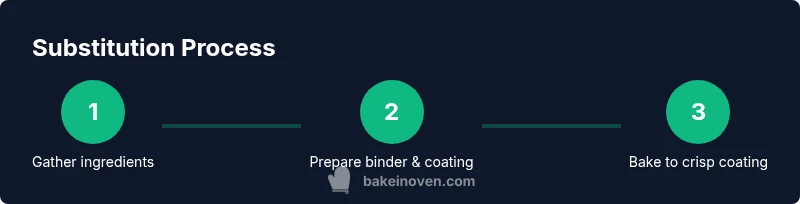
- Step 1: Gather Shake 'n Bake, binder, and coating sheet. - Step 2: Preheat oven and line sheet with parchment. - Step 3: Dredge in binder, then coat with Shake 'n Bake. - Step 4: Place on sheet, space evenly. - Step 5: Bake until crust is crisp and center is cooked. - Step 6: Rest briefly before serving.
Final Substitution Checklist
- Verify the food item is suitable for a crust substitute. - Prepare binder and coating in separate bowls. - Coat food evenly to avoid pockets of coating. - Use parchment or a silicone mat for easy release. - Monitor browning and internal temperature, adjusting as needed.
Tools & Materials
- Shake 'n Bake coating mix(Plain or seasoned version; about 1 cup per 1 lb food)
- Egg wash or dairy-free binder(Whisk 1 egg with a splash of water; alternative: plant-based binder)
- All-purpose flour (optional)(For extra adhesion or dredging)
- Milk or water (optional)(If not using eggs)
- Salt and pepper(Adjust to taste)
- Baking sheet(Line with parchment for easy cleanup)
- Parchment paper or silicone mat(Prevents sticking and promotes even browning)
- Cooking spray or oil mister(Lightly coat for crisper edges)
- Tongs or spatula(Turn pieces without disturbing coating)
- Meat thermometer (optional)(Check internal temperature if unsure)
Steps
Estimated time: 30-45 minutes
- 1
Gather all ingredients and equipment
Collect Shake 'n Bake, binder, optional flour, eggs, parchment-lined sheet, and a reliable oven. Having everything ready prevents mid-step hunting and ensures a smooth coating process.
Tip: Set out components in a logical sequence (binder -> coating -> tray). - 2
Preheat oven and prepare workspace
Preheat to a hot, even temperature and line the baking sheet with parchment or a silicone mat. A hot start helps set the crust quickly for a crisper finish.
Tip: Ensure the oven reaches temperature before coating. - 3
Prepare binder and dredge station
Whisk egg with a tablespoon of water (or use a dairy-free binder). Place binder in one bowl and Shake 'n Bake powder in another. Dredge food in binder before coating.
Tip: Pat food dry before dredging to improve adhesion. - 4
Coat with Shake 'n Bake
Dip the item in binder, then roll or press into Shake 'n Bake until evenly coated. Shake off excess to prevent clumps and uneven browning.
Tip: Apply a light, even coat; thick spots hinder browning. - 5
Arrange and prepare for baking
Place coated items on parchment-lined sheet with space between pieces for air flow. A crowded tray steams instead of crisps.
Tip: Space is crucial for uniform crunch. - 6
Bake and monitor
Bake until the crust is crisp and the center is cooked. If your oven has a convection setting, use it to promote even browning, but watch for over-browning.
Tip: Rotate the tray halfway if your oven has hot spots. - 7
Rest and check internal doneness
Let items rest briefly after baking to set the crust. Use a thermometer if needed to verify doneness.
Tip: Resting helps crust finish crisping and avoids moisture bleed. - 8
Cleanup and adjust for next batch
Discard any leftover coating mix that touched raw food and clean bowls to avoid cross-contamination. Note any adjustments for salt or moisture for future batches.
Tip: Keep a small notebook of tweaks for consistent results.
Frequently Asked Questions
Can I substitute Shake 'n Bake for panko in every recipe?
Not every recipe will yield the same texture when using Shake 'n Bake instead of panko. It generally works for thinner pieces and quick bakes, but thicker cuts may become denser. Always test a small batch first to gauge texture and browning.
Shake 'n Bake can replace panko in many recipes, especially thinner cuts, but texture may be denser. Test a small batch first.
Will Shake 'n Bake crust be as light as panko?
Shake 'n Bake yields a denser, more uniform crust compared to panko's airy, flaky bite. If you want a lighter crunch, blend Shake 'n Bake with a small amount of panko or use a thinner coating.
Shake 'n Bake is usually denser than panko; mix in some panko if you want lighter texture.
Is Shake 'n Bake gluten-free?
Gluten content depends on the product. Some Shake 'n Bake variants are gluten-free; always read the label to confirm gluten status and avoid cross-contamination.
Check the label—some Shake 'n Bake products are gluten-free, but ingredients can vary.
Can I use Shake 'n Bake without eggs or dairy?
Yes, you can use a dairy-free binder or water-based spray as a substitute for eggs. Binder choices vary by brand, so pick one that adheres well with Shake 'n Bake and suits your dietary needs.
Yes, you can use an egg-free binder if you prefer; just ensure it sticks well with the coating.
Does coating thickness affect adhesion with Shake 'n Bake?
Yes. Too thick a coating can peel or crack, while too thin may not crisp properly. Aim for a uniform, light layer for best results.
Thicker coatings can peel; aim for a smooth, even layer for best crispness.
How do I prevent soggy crust on vegetables?
Dry vegetables thoroughly before coating and consider a hotter oven or convection to drive moisture away quickly. Spacing and pre-baking can also help.
Dry vegetables well and give them space on the tray to stay crisp.
Watch Video
Key Takeaways
- Evaluate coating texture before baking to avoid soggy crusts.
- Use binder to improve adhesion for Shake 'n Bake.
- Space pieces for even browning and crispness.
- Test a small batch to dial in timing and moisture.