How to Use Shake and Bake Chicken: A Practical Guide
Learn how to use shake and bake chicken for crispy, flavorful results with minimal effort. This guide covers choosing mixes, prep, coating, baking, and flavor variations for reliable weeknight meals.


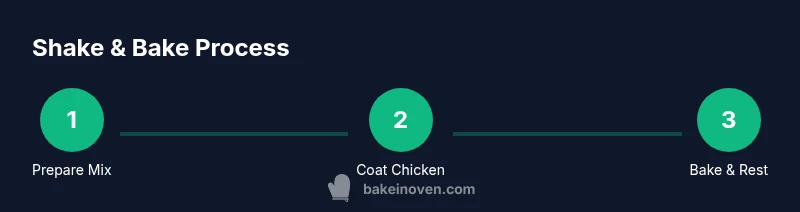
By following these steps, you’ll learn how to use shake and bake chicken to create a crispy, evenly coated entree with minimal effort. Gather your preferred shake-and-bake mix, chicken pieces, a baking sheet, and an oven tray. Coat, bake, rest briefly, and serve with simple sides for a weeknight winner.
How Shake and Bake Works
The shake-and-bake method relies on a dry coating mix that adheres to the surface of chicken through moisture and mechanical action. When coated and heated, the starches and seasonings create a crisp crust while sealing in juices. The technique is forgiving for home cooks: you can adjust thickness, flavor, and cook time to your oven and equipment. For best results, start with chicken pieces that are uniform in size so they cook evenly. If you’re asking how to use shake and bake chicken successfully, the answer starts with quality ingredients, thorough drying, and a hot, dry oven environment. The dry mix should cling without clumping, so shake off excess before laying the pieces on a hot sheet. The heat should be steady, not fluctuating, to allow the coating to set before the interior finishes cooking. Remember safety: raw chicken must reach a safe internal temperature, and cross-contamination should be avoided by using separate utensils.
Choosing Shake and Bake Mixes
Shake-and-bake coatings come in a variety of flavors and textures. Store-bought mixes are convenient and consistent, while homemade blends let you control salt, sugar, and spices. When selecting a mix, look for a reasonable ingredient list (no uncleared additives) and a coating that clings well to the surface without forming a thick paste. If you prefer a leaner option, choose a mix with modest fat and a crisping agent that browns evenly. Taste preferences vary: lemon pepper, garlic herb, and smoked paprika are popular choices that pair well with chicken breasts or thighs. Regardless of flavor, the goal is a dry, even coating that bakes to a golden crust rather than a soggy exterior.
Preparing Chicken Safely
Safety starts before you touch the chicken. Pat all pieces dry with paper towels to remove surface moisture that can prevent coating adhesion. If you’re starting with frozen chicken, thaw safely in the refrigerator or under cold running water before patting dry. Trim any visible fat or gristle, and consider cutting larger pieces into uniform portion sizes to ensure even cooking. Use separate cutting boards and utensils for raw chicken to prevent cross-contamination. A quick check with a clean finger: the surface should feel dry and ready for the coating when you touch it.
Equipment and Oven Setup
A well-prepared workspace helps you achieve consistent results. Preheat the oven to the recommended temperature on your shake-and-bake package—typically around 400°F (200°C). Line a baking sheet with parchment paper or a silicone mat to minimize sticking and simplify cleanup. If you have a convection oven, you can lower the temperature by 25°F (about 15°C) or shorten the cooking time slightly; always verify doneness with a thermometer. Place chicken pieces on the sheet with ample space between them to allow hot air to circulate and crisp the surfaces evenly.
Coating Assembly: Getting Even Coverage
The key to a crisp, flavorful crust is even coating and avoiding clumps. Pour the coating mix into a shallow bowl or a large resealable bag. Dredge each piece in the dry mix, turning to coat all sides. If using a bag, seal and shake until every surface is evenly coated. Tap off any excess before placing the pieces on the prepared baking sheet. A light mist of oil spray on the coated surface can help achieve browning, but avoid saturating the coating, which can lead to sogginess.
Cooking Times and Temperatures: Getting It Right
Bake times vary with piece size and oven performance. Plan for roughly 20-25 minutes for boneless, skinless breasts or thighs, turning once for even browning. Use a meat thermometer to confirm doneness: 165°F (74°C) is the safe internal temperature for chicken. If you notice the coating browning too quickly while the center remains undercooked, reduce oven heat slightly or move the pieces to a higher rack. Conversely, if you’re not getting enough browning, give the coating a quick boost of heat for the final minutes or increase the surface oil lightly.
How to Check Doneness Safely
Doneness is best confirmed with a instant-read thermometer inserted into the thickest part of the meat, away from bone. Avoid relying on color alone, since some coatings brown early while the interior finishes cooking. Let the chicken rest for 3-5 minutes after removing it from the oven; this helps the juices redistribute and keeps the meat juicy. If you skim around the edges and see pink near the bone, keep cooking in 2-4 minute increments and recheck.
Flavor Variations: Spices, Sauces, and Pairings
While shake and bake provides a ready-made crust, you can customize flavor with add-ins and accompaniments. Sprinkle paprika for smokiness, ground coriander for warmth, or dried thyme for herbaceous notes. Serve with lemon wedges, a herb yogurt dip, or a simple honey-mork sauce for contrast. For a complete meal, pair with roasted vegetables, a light grain such as quinoa, or a crisp salad.
Leftovers: Storage and Reheating Guidelines
Leftovers can be stored in a shallow, airtight container in the refrigerator for up to 3-4 days. Reheat gently in a 350°F (175°C) oven to preserve the crisp coating, or use a skillet on medium heat to re-crisp the crust. Avoid microwaving, which can soften the coating. Freeze properly stored leftovers for longer-term options, and reheat directly from frozen in a 375°F (190°C) oven, checking for an internal temp of 165°F (74°C).
Common Mistakes and How to Avoid Them
Common issues include coating that slides off during baking, uneven browning, and overcooked interiors. Make sure the surface is dry before coating, shake off excess mix, and space pieces apart on the sheet. If the crust burns before the interior cooks, reduce temperature or extend cooking time with a covered foil tent to protect the crust. Invest in a good oven thermometer to verify accurate heat and consistent results across your batches.
Quick Recipe Ideas Using Shake-and-Bake Chicken
Turn plain shake-and-bake chicken into a complete dinner by pairing with roasted vegetables, a bright green salad, or a hearty grain. For a kid-friendly option, serve with mashed potatoes and a light gravy. For variety, brush a quick glaze of honey and mustard in the final 2-3 minutes of bake for a glossy finish and extra flavor. These additions help you expand weeknight menus without introducing many extra steps.
Tools & Materials
- Boneless, skinless chicken breasts or thighs(4-6 portions; trim excess fat as needed)
- Shake-and-bake coating mix (store-bought or homemade)(Follow package ratios or your own seasoning blend)
- Mixing bowl or resealable bag(For coating; choose your preferred method)
- Baking sheet(Line with parchment or a silicone mat)
- Parchment paper or silicone mat(Optional to reduce sticking and cleanup)
- Meat thermometer(Ensure interior temp reaches 165°F (74°C))
- Oven-safe tongs or spatula(For flipping and handling hot pieces)
- Cooking spray or light oil(Lightly mist the coating for extra browning)
- Knife and cutting board(Trim and portion chicken as needed)
Steps
Estimated time: 40-50 minutes
- 1
Gather ingredients and tools
Lay out chicken, coating mix, bag or bowl, and all utensils. Confirm oven is preheated to the package temperature. This reduces interruptions and helps you stay organized.
Tip: Having everything ready prevents double-handling raw chicken and keeps the process efficient. - 2
Preheat oven and prepare sheet
Preheat the oven to the recommended temperature, typically around 400°F (200°C). Line a baking sheet with parchment or a silicone mat to prevent sticking and simplify cleanup.
Tip: A hot sheet helps the crust set quickly for a crisp finish. - 3
Pat dry and trim chicken
Pat chicken pieces dry with paper towels, trim any visible fat, and cut larger pieces to uniform thickness. Moisture on the surface can prevent even coating.
Tip: Dry surfaces plus uniform size promote even browning and crisp coating. - 4
Coat the chicken
Place coating mix in a bag or shallow dish. Dredge each piece to coat all sides, tapping off excess. In a bag, shake gently until evenly coated.
Tip: Avoid over-coating to prevent clumping; a light shake yields better crust adhesion. - 5
Arrange on the sheet
Place coated pieces on the prepared baking sheet with space between them. This ensures hot air can circulate for even browning.
Tip: Spacing prevents steaming of the crust and promotes a crisp exterior. - 6
Bake until done
Bake for the recommended time, usually 20-25 minutes for boneless cuts. Turn once halfway through to promote even browning.
Tip: Check internal temperature early if you’re unsure; every oven behaves differently. - 7
Check doneness
Insert a thermometer into the thickest part; look for 165°F (74°C). If needed, continue cooking in 2-4 minute increments.
Tip: Don’t judge by color alone; temperature accuracy matters for safety. - 8
Rest briefly
Let the chicken rest for 3-5 minutes to redistribute juices and improve texture.
Tip: Resting prevents juices from running out when you cut into the meat. - 9
Serve and pair
Serve with light sides like roasted vegetables, salads, or grains. Consider a dipping sauce or glaze for extra flavor.
Tip: A fresh squeeze of lemon brightens the crust and complements seasoning.
Frequently Asked Questions
Can I use bone-in chicken or skin-on cuts with shake and bake?
Yes, you can use bone-in or skin-on cuts, but they require longer cooking times. Always rely on a meat thermometer to ensure doneness, and adjust the coating coating time accordingly.
Bone-in chicken works, but expect longer cooking times and check internal temperature with a thermometer.
Is shake and bake healthier than frying?
In general, baking with a dry coating is lower in added fat than deep-frying. The overall health impact also depends on portion size and the coating’s sugar and salt content.
Baking reduces fat compared to frying, but watch salt and sugar in the mix.
Can I substitute homemade coatings for store-bought mixes?
Absolutely. Create a dry mix with flour or cornstarch, paprika, garlic powder, and pepper. The key is a dry, clingy coating that dries nicely when baked.
Yes—homemade coatings work well as long as they stay dry and clump-free.
Can I cook shake and bake chicken from frozen?
Cooking from frozen is not recommended because it can lead to uneven cooking. Thaw the chicken first for best coating adhesion and even doneness.
It’s better to thaw first for even cooking and coating.
How can I prevent the coating from falling off?
Ensure the chicken surface is dry, shake off excess coating, and avoid overcrowding. Patience during the coating step helps adhesives form a crust that sticks.
Keep the surface dry and avoid overcrowding to help the coating stick.
What’s a quick glaze I can add at the end?
Try a 1:1 mix of honey and Dijon mustard brushed on during the last 2-3 minutes of bake for shine and a touch of sweetness.
Add a honey-mustard glaze in the last minutes for a quick finish.
Watch Video
Key Takeaways
- Coat evenly for a crisp, uniform crust
- Preheat and space pieces for even browning
- Always verify with a thermometer (165°F/74°C)