Chicken Broccoli Alfredo Bake: A Complete How-To
Master a creamy chicken broccoli alfredo bake with a silky sauce, tender chicken, and crisp broccoli. This weeknight-friendly guide covers prep, sauce emulsification, layering, baking, and reheating for dependable family dinners.


You will make a creamy chicken broccoli alfredo bake with tender chicken, broccoli, and pasta baked under a cheesy alfredo. You'll simmer a simple sauce, precook pasta and chicken, then bake everything together until bubbly. Perfect for family dinners, it stores well, and you can customize with mushrooms or peppers.
Why Chicken Broccoli Alfredo Bake Works for Busy Homes
The Chicken Broccoli Alfredo Bake is a comforting, weeknight-friendly meal that delivers protein, vegetables, and creamy indulgence in one dish. In this guide, you'll learn a reliable method to combine seared chicken, bright broccoli, and a silky Alfredo sauce into a casserole that bakes to a glossy, golden finish. According to Bake In Oven, this approach balances speed and texture, ensuring the broccoli stays vibrant while the chicken stays juicy. With minimal pans and practical steps, you can customize the dish to your pantry and family preferences, making it a repeatable staple in your kitchen repertoire. Begin by planning mise en place, preheating the oven, and measuring ingredients so you can focus on technique rather than last-minute scrambling. The technique taught here reduces common issues like sauce separation or soggy pasta. This dish is a natural fit for batch cooking and meal prep, offering flexibility for leftovers and lunch boxes.
Core ingredients and substitutions
A reliable chicken broccoli alfredo bake starts with a few pantry staples. You’ll need chicken breast or thighs, broccoli florets, and pasta, all coated in a rich Alfredo-style sauce. Common substitutions include using whole-wheat or gluten-free pasta, steamed cauliflower when broccoli isn’t available, or adding mushrooms for extra umami. The key is balance: enough pasta to carry the sauce, ample vegetables for color and texture, and a protein that remains juicy after baking. In this recipe, aim for 12 ounces of dry pasta, about 1.5 to 2 pounds of chicken depending on appetite, and 4 cups of broccoli florets. The Alfredo base typically combines cream with Parmesan cheese and a touch of garlic for depth. Salt and pepper to finish, plus optional nutmeg or Italian seasoning for warmth. Fresh herbs on top add brightness just before serving.
The science of emulsion: creamy Alfredo that clings
A smooth, clinging Alfredo sauce comes from disciplined emulsification and gentle heat. Start by melting butter, then gently sweat minced garlic without browning it. Add cream and simmer until it thickens slightly before whisking in grated Parmesan. The cheese should melt smoothly without clumping, creating a glossy emulsion that coats pasta without separating. If the sauce looks too thick, loosen it with a splash of milk or chicken stock; if it’s too thin, simmer a few minutes longer to reduce. The goal is a sauce that clings to each noodle and clumps softly around broccoli and chicken rather than pooling separately at the bottom of the dish. Rest assured, a properly emulsified Alfredo will remain creamy through baking and still shine when served.
Mise en place: prepping this bake
Before you begin, gather every ingredient and tool you’ll need, which makes the workflow smooth and efficient. Slice chicken into evenly sized pieces to ensure uniform browning, trim broccoli into bite-sized florets, and pre-measure seasonings. Boil pasta until just shy of al dente because it will finish cooking in the oven without turning mushy. Blanch broccoli briefly to preserve color and snap, then drain well. This step reduces moisture that could water down the sauce in the oven. Having everything ready decreases the risk of overcooking proteins or under-seasoning the sauce.
Step-by-step overview: a high-level plan
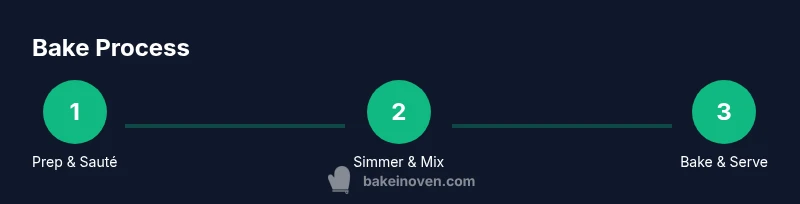
Think of this bake as a three-part structure: the sauce, the mix-ins (pasta, chicken, broccoli), and the topping. Start by cooking each component to the right texture: al dente pasta, juicy chicken, vibrant broccoli, and a warm, cohesive Alfredo sauce. Then, combine all elements in a large bowl so every bite contains pasta, chicken, and broccoli with ample sauce. Finally, bake to meld flavors, melt cheese, and create a lightly crisp top. The goal is harmony among textures: creamy, tender, and crisp where you want it. You can customize with extra vegetables or different cheeses as long as the balance remains.
Baking and finishing: time, temperature, texture
Bake the assembled bake at a moderate oven temperature to prevent scorching. A typical range is 350–375°F (175–190°C) for about 20–25 minutes, or until the sauce is bubbling and the top is lightly golden. If you prefer a crisper top, a quick second blast under the broiler for 1–2 minutes can help, but watch closely to avoid burning. Resting the dish for 5–10 minutes after removing from the oven helps the sauce re-emulsify and makes it easier to slice. This rest period also improves flavor distribution as the heat settles through the casserole.
Variations and dietary options
Make this dish suit different diets by swapping ingredients. For a lighter version, use half-and-half or milk with less cream and increase the broccoli slightly to maintain texture. Gluten-free diners can use gluten-free pasta, while dairy-free guests can try a thickened cashew cream or coconut milk base with nutritional yeast for a cheesy flavor. For extra protein, fold in cooked turkey or shrimp, or add a handful of spinach for color and vitamins. The core technique—emulsified sauce, properly cooked pasta, and even layering—remains the same across variations.
Storage, reheating, and leftovers
This bake stores well in the refrigerator for 3–4 days. Reheat gently on the stovetop over low heat, stirring often, or warm in the oven at 325°F (165°C) covered with foil to retain moisture. For freezing, assemble the casserole (without baking) and freeze flat in a sealed container; bake from frozen covered at 350°F (175°C) for 60–75 minutes, then uncover and bake 10–15 minutes more. If you notice a watery sauce after reheating, whisk in a splash of cream or milk and reheat slowly until thickened. Portion leftovers for easy lunches; they reheat beautifully.
Troubleshooting common issues
If the sauce separates, lower the heat and whisk vigorously while adding a small amount of hot cream or broth. If the broccoli loses color, blanch briefly and shock in ice water before mixing; this keeps vibrant green color intact. Overcooking the pasta can lead to a mushy texture, so undercook by a minute or two and finish in the oven. If the dish tastes flat, boost salt or add a pinch of nutmeg and pepper to wake the flavors. Balance is key: sauce richness, vegetable brightness, and protein juiciness should all harmonize.
Plate presentation and serving ideas
Serve the bake steaming with a sprinkle of chopped parsley or chives for color. Offer lemon wedges on the side to brighten the dish and a light salad to balance richness. A crusty bread or a simple garlic baguette pairs well to catch the last bits of sauce. For a more indulgent presentation, top with extra grated Parmesan and a drizzle of high-quality olive oil. This dish shines as a family-friendly centerpiece for weeknights or casual gatherings.
Quick tips for success
- Pre-measure all ingredients and keep them within reach to maintain a smooth flow.
- Use freshly grated Parmesan for the best flavor and melt.
- Do not overcook pasta; it will finish in the oven and absorb sauce.
- Rest the bake after removing from the oven to let the sauce re-emulsify.
- If your sauce thickens too much, loosen with a splash of milk or stock and stir until glossy.
Tools & Materials
- Boneless, skinless chicken breasts(2 large breasts, about 1.5–2 lb total; cut into 1-inch pieces)
- Broccoli florets(Fresh or frozen; about 4 cups florets; cut into bite-sized pieces)
- Pasta (fettuccine, penne, or similar)(12 oz (340 g) dry; cook to al dente)
- Heavy cream(2 cups)
- Milk or chicken stock (optional)(1/2 cup if sauce thickens)
- Garlic cloves(2–3 cloves, minced)
- Parmesan cheese, grated(1 cup for sauce, plus extra for topping)
- Butter(2 tablespoons)
- Salt and pepper(To taste)
- Olive oil (optional)(For searing chicken)
- Baking dish(9x13 inch (23x33 cm) glass or ceramic)
- Parsley or chives (for garnish)(Chopped, optional)
Steps
Estimated time: 60-75 minutes
- 1
Preheat oven and prep ingredients
Preheat your oven to 375°F (190°C). Gather all ingredients, line the baking dish, and set out measuring cups and a timer. This upfront organization reduces scrambling and helps you maintain a steady pace throughout the bake.
Tip: Organize mise en place: separate bowls for chicken, broccoli, and pasta; label seasonings to speed prep. - 2
Cook pasta to al dente
Bring a large pot of salted water to a boil. Add pasta and cook per package directions until just shy of fully tender. Reserve 1/2 cup of the cooking water, then drain pasta and set aside.
Tip: Underhydrate pasta by 1 minute; it will finish cooking in the oven and stay firm. - 3
Season and sear chicken
Season chicken pieces with salt and pepper. Heat a tablespoon of oil in a skillet and sear the chicken until golden brown on all sides, about 4–5 minutes total. Remove from heat but keep juices in the pan.
Tip: Don't overcrowd the pan; do in batches if needed to avoid steaming the chicken. - 4
Blanch broccoli
Blanch broccoli in boiling water for 2–3 minutes until bright green and just tender. Immediately drain and rinse under cold water to halt cooking and preserve color.
Tip: If using frozen broccoli, thaw and pat dry to minimize extra moisture in the bake. - 5
Make the Alfredo base
In the same skillet, melt butter over medium heat. Add minced garlic and cook briefly until fragrant. Pour in cream, simmer 3–4 minutes, then whisk in Parmesan until the sauce is smooth. If it’s too thick, thin with a splash of milk or cooking water.
Tip: Whisk steadily to prevent cheese clumping and to keep the sauce glossy. - 6
Combine sauce with pasta, chicken, and broccoli
Return pasta to the pot, pour in the Alfredo sauce, and fold in the seared chicken and blanched broccoli. If needed, add reserved pasta water to loosen the sauce so every piece is well-coated.
Tip: Taste and adjust salt at this stage; the sauce should have a gentle, savory balance. - 7
Assemble in baking dish
Transfer the sauced mixture to the prepared baking dish. Smooth the top and sprinkle with an extra 1/2 cup grated Parmesan for a golden crust.
Tip: For a crunchier top, finish with a light dusting of breadcrumbs mixed with 1 teaspoon melted butter. - 8
Bake until bubbly and lightly browned
Bake at 375°F (190°C) for 20–25 minutes, or until the sauce is bubbling and the top is golden. If you like a darker crust, broil for 1–2 minutes at the end, watching carefully.
Tip: Cover with foil if the top browns too quickly before the center is hot. - 9
Rest, serve, and store
Let the bake rest 5–10 minutes before slicing to help the sauce re-set. Serve with a fresh green salad and crusty bread. Leftovers refrigerate well for 3–4 days or freeze for longer storage.
Tip: Cooling briefly helps the flavors meld; reheat gently to avoid a greasy sauce.
Frequently Asked Questions
How can I prevent the Alfredo sauce from breaking or separating?
Keep the sauce at a gentle simmer and whisk continuously as you add cheese. Don’t let it boil hard, and add a splash of cream or milk if it thickens too much. A properly emulsified sauce should stay smooth through baking.
Keep the sauce at a gentle simmer and whisk continuously as you mix in the cheese; if it thickens, thin with a little cream or milk.
Can I use chicken thighs instead of breasts?
Yes. Chicken thighs stay juicy and flavorful. Slice them evenly and sear until lightly browned. They may require a few extra minutes in the oven to reach safe internal temperature.
Yes, chicken thighs work well; just keep the pieces evenly sized and cook longer if needed.
Is this dish suitable for freezing?
You can freeze the assembled uncooked casserole and bake from frozen, adding time. For best texture, freeze after assembling but before baking and bake covered, then uncover for a final 10–15 minutes.
Yes, you can freeze an assembled casserole and bake it from frozen, just add time and cover during the initial bake.
What can I do if I don’t have broccoli?
You can substitute or add vegetables like spinach, cauliflower, or peas. Use about the same volume and ensure they’re pre-cooked or blanched so they don’t crowd the dish with moisture.
If you don’t have broccoli, try spinach or cauliflower and pre-cook to reduce moisture.
Can I make this ahead for meal prep?
Yes, assemble without baking and refrigerate up to 24 hours. Bake later, adding 5–10 minutes to the bake time if the dish is cold.
Absolutely—assemble, refrigerate, then bake when ready, adding a little extra time if cold.
Watch Video
Key Takeaways
- Plan mise en place before you start
- Emulsify the Alfredo for a glossy finish
- Cook pasta to al dente and finish in the bake
- Balance texture with protein, veggie, and sauce
- Rest the dish after baking for perfect slicing