Eggs and Cottage Cheese Bake: A Creamy Comfort Breakfast
A detailed how-to guide for making a creamy, customizable eggs and cottage cheese bake. Learn base ratios, step-by-step process, variations, meal-prep tips, and troubleshooting to perfect this protein-forward, versatile breakfast or brunch dish.


You’ll learn to bake eggs and cottage cheese into a creamy, protein‑packed casserole that’s easy to customize with vegetables and herbs. This guide covers a flexible base, substitutions, and practical tips to avoid rubbery texture. You’ll preheat, whisk, fold in add-ins, bake, rest, and slice for serving or meal prep.
What is eggs and cottage cheese bake and why it works
Eggs and cottage cheese bake is a versatile, protein‑rich dish designed for busy mornings and meal‑prep‑friendly lunches. The base uses whisked eggs folded with cottage cheese to deliver creaminess without heavy cream, making it lighter and affordable. According to Bake In Oven, this approach offers a reliable canvas for add‑ins like spinach, mushrooms, and herbs. The result is a sturdy bake that slices well and reheats beautifully. The technique relies on balancing moisture, structure, and flavor so the egg proteins set without becoming rubbery, and the cottage cheese provides texture and protein. This bake shines when you want a satisfying, nourishing start to the day that can be customized for family preferences and dietary needs.
Nutritional profile and kitchen-friendly benefits
The eggs and cottage cheese bake delivers high‑quality protein from eggs and dairy, along with calcium from cottage cheese. It’s naturally lower in added fats when you choose skim or part‑skim cottage cheese and use a modest amount of cheese on top. The dish also supports meal prep, as it reheats well in portions and maintains a creamy interior texture. For home cooks watching simple carbs, the bake pairs nicely with a colorful vegetable sauté or a light side salad. The balance of protein and fat keeps you fuller longer, helping to curb mid‑morning cravings without a heavy feeling.
Flavor variations and mix-ins you’ll love
This bake is a blank canvas. Try sautéed spinach and onions for a savory base, or swap in roasted peppers for sweetness. Fresh herbs like chives, parsley, and dill brighten the dish, while a handful of grated cheese on top adds a finishing crust. For a Mediterranean twist, add sun‑dried tomatoes and feta in place of some cottage cheese. If you prefer a heartier texture, fold in cooked diced bacon or breakfast sausage in moderation. For a lighter version, use more cottage cheese and fewer eggs, and finish with a light sprinkle of parmesan. Each variation keeps the dish approachable for beginner bakers while offering depth for seasoned cooks.
Recipe framework: base ratios for creaminess and structure
A reliable base uses a balance of eggs, cottage cheese, and a dairy or plant milk to achieve creaminess without excess liquid. Start with a ratio that suits your pan size: enough eggs to set the bake, plenty of cottage cheese for texture, and a splash of milk or cream to loosen the mixture just enough for even bake. Season generously with salt, pepper, and a pinch of nutmeg or paprika for warmth. If you want extra body, add a small amount of grated cheese into the mixture; for lighter texture, increase the cottage cheese proportion slightly and reduce total cheese—then finish with a cheese topping. This framework helps you customize while keeping the bake cohesive.
Step-by-step overview before diving into steps
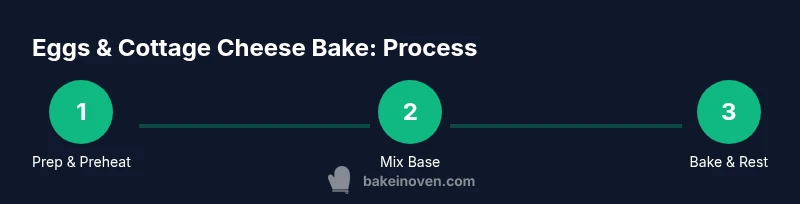
Before you begin, gather all ingredients and tools, preheat the oven, and grease your baking dish. The process includes whisking eggs with cottage cheese, integrating vegetables and herbs, pouring the mixture into the dish, then baking until set. The key is avoiding overmixing, which can trap air and create an airy, unstable texture. Resting the bake briefly after removing from the oven allows the residual heat to finish cooking and helps slices hold together. A clear plan reduces guesswork and yields consistent results meal after meal.
Common mistakes and how to fix them
Common errors include overbaking (leading to rubbery texture) and too much moisture (yielding a soggy center). To fix, bake at a moderate temperature and check for just-set edges with a slight jiggle in the center. If the mixture is too loose, add a little more cottage cheese or an additional beaten egg to help it set. Not seasoning enough is another frequent issue—salt, pepper, and a touch of nutmeg or dried herbs make the dish pop. Finally, cutting too soon can crumble the bake; let it rest for 5–10 minutes to reabsorb moisture and firm up for neat slices.
Serving ideas and meal-prep tips
Serve warm with a fresh green salad or roasted vegetables for a balanced meal. Slice into portions and refrigerate for 3–4 days, or freeze individual servings for later. Reheat covered in the microwave at medium power or in a 350°F oven to restore creaminess. For brunch, pair with whole-grain toast, avocado, or a light tomato compote. If you want a complete brunch plate, add a side of fruit or a small yogurt cup for extra protein and brightness.
Scaling for meal prep and batch cooking
To batch this bake, multiply ingredients proportionally and bake in a larger pan or in two pans. Ensure even heat distribution by rotating pans midway through baking. Portion after cooling, then freeze or refrigerate as needed. If you’re cooking for a crowd, create two flavors in parallel by using half of the cottage cheese base with spinach and the other half with mushrooms, then finish with a shared top layer of cheese. This approach keeps variety without increasing cooking complexity.
Troubleshooting by oven type and altitude
Oven types vary; convection ovens cook more quickly, so reduce heat by 25°F (about 15°C) and check earlier to prevent overbaking. At higher altitudes, you may need slightly more eggs or a touch more dairy to compensate for moisture loss. If your oven has hot spots, rotate the pan halfway through baking. If the crust isn’t browning, finish under a quick broil for 1–2 minutes while watching carefully. Adjusting timing and temperature by oven behavior yields a consistent result across equipment and settings.
Tools & Materials
- Mixing bowls (2)(One for wet ingredients, one for dry ingredients)
- Whisk or electric mixer(Stir until smooth and uniform)
- Measuring cups and spoons(Accurate portions for eggs, milk, cottage cheese, seasonings)
- Cutting board and knife(Dice vegetables cleanly for even distribution)
- Saute pan(Sauté aromatics and vegetables if using)
- 9x13 inch baking dish(Greased with butter or nonstick spray)
- Nonstick spray or butter(Prevent sticking and make clean slices easier)
- Grater(For shredding cheese if not using pre-shredded varieties)
- Spatula(For folding and scraping the bowl clean)
- Oven mitts(Safe handling when moving hot dish)
- Parchment paper(Optional for lining and easier cleanup)
Steps
Estimated time: 45-60 minutes
- 1
Preheat and prep the dish
Preheat the oven to 350°F (175°C). Lightly grease a 9x13 inch baking dish and have all ingredients measured and ready. This ensures even cooking and clean slices.
Tip: Grease the dish thoroughly to prevent sticking and ensure neat edges. - 2
Whisk eggs and cottage cheese
In a large bowl, whisk the eggs until well combined, then beat in cottage cheese until the mixture is smooth with small curds. This base provides creamy texture without relying on heavy dairy.
Tip: Let the cottage cheese sit for a few minutes if it’s very thick to make it easier to blend. - 3
Add dairy and seasonings
Stir in milk or cream, along with salt, pepper, and your chosen herbs. This is where you set the flavor foundation for the bake.
Tip: Taste the base and adjust salt before adding vegetables. - 4
Sauté vegetables (optional)
If using, sauté onions, peppers, spinach, or mushrooms until just tender. Add them to the egg mixture so the bake remains evenly distributed.
Tip: Drain any excess liquid to prevent a soggy center. - 5
Fold in vegetables and cheese
Fold the pre-cooked vegetables and any extra shredded cheese into the mixture. The cheese adds a finishing melt and crust.
Tip: Reserve a small handful of cheese to sprinkle on top for a golden crust. - 6
Transfer to dish and bake
Pour the mixture into the prepared dish and smooth the top. Bake 25–35 minutes until the edges are set and the center jiggles slightly.
Tip: If the center remains liquid after 30 minutes, cover the top lightly with foil and bake 5–10 more minutes. - 7
Rest and test for doneness
Remove from the oven and let rest 5–10 minutes. The bake will continue to set as it cools, making slicing easier.
Tip: A clean knife and gentle press near the center indicate doneness. - 8
Serve or store
Slice and serve immediately or divide into portions for meal prep. Refrigerate leftovers for up to 4 days or freeze for longer storage.
Tip: Reheat gently to preserve creaminess—avoid overheating, which can dry the texture.
Frequently Asked Questions
What is eggs and cottage cheese bake?
Eggs and cottage cheese bake is a protein-rich, versatile dish where whisked eggs are folded with cottage cheese and baked until set. It serves as a flexible canvas for add-ins like vegetables and herbs.
It's a protein-packed egg casserole with cottage cheese you bake in the oven, great for breakfast or meal prep.
Can I use other cheeses in this bake?
Yes. You can substitute or mix in mozzarella, cheddar, or parmesan. Cheese choices affect melt and flavor, so adjust quantity to maintain balance with the cottage cheese.
Absolutely—feel free to mix in your favorite cheeses for more melt and flavor.
Is this suitable for lactose-free diets?
Cottage cheese contains lactose. If you need lactose-free options, choose lactose-free cottage cheese or a plant-based alternative, then adjust flavors accordingly.
You can use lactose-free cottage cheese or a dairy-free substitute to fit lactose sensitivities.
How can I make this bake gluten-free?
The base is naturally gluten-free as long as you use gluten-free add-ins and avoid any wheat-based toppings or crusts. Check all add-ins for gluten-containing ingredients.
Yes, keep it gluten-free by choosing gluten-free add-ins and verified ingredients.
How should I reheat leftovers without drying them out?
Reheat gently in the microwave at medium power or in a 325–350°F oven until warmed through. Cover to retain moisture and prevent surface drying.
Reheat slowly to keep the texture creamy and prevent drying out.
Can I freeze the baked eggs and cottage cheese bake?
Yes, cool completely, then freeze in portions. Thaw in the fridge and reheat gently to preserve texture. Freezing may slightly alter texture, but it remains delicious.
You can freeze portions, then reheat slowly for best texture.
Watch Video
Key Takeaways
- Cook with a balanced egg-to-cottage-cheese ratio for creaminess
- Customize with vegetables and herbs for flavor variety
- Avoid overbaking to keep the center tender
- This dish scales well for meal prep and batch cooking
- Rest the bake before slicing to improve clean portions