Eggs with Cottage Cheese Bake: Creamy Oven-Baked Breakfast
A kitchen-tested guide to making a creamy eggs with cottage cheese bake, with variations, tips, and make-ahead options. Perfect for busy mornings and meal-prep.


You will learn how to bake eggs with cottage cheese into a creamy, omelet-like casserole. This method yields a light, custardy texture with savory notes and minimal fuss. You’ll need basic ingredients, a mixing bowl, and a 9x13 inch baking dish. Preheat the oven to 350°F (175°C), whisk with dairy, fold in extras, and bake until the center is just set.
What is Eggs with Cottage Cheese Bake?
Eggs with cottage cheese bake is a simple, protein-packed breakfast casserole that blends eggs, cottage cheese, and gentle seasonings into a soft, custard-like bake. The cottage cheese adds creamy texture and lightness without requiring heavy cream, making the dish approachable for weeknights or weekend meal-prep. In Bake In Oven testing, the best texture comes from gentle whisking and a short rest after baking to let the custard set. The technique is forgiving: whisk the eggs with cottage cheese until smooth, fold in flavorings, and bake until the center is just shy of firm, then let it rest for a few minutes before slicing.
This dish supports meal-prep routines because leftovers reheat quickly in a microwave or oven and still feel bouncy and fresh. For home bakers who want to expand texture variety, consider swapping some cottage cheese for ricotta for a silkier finish or using part-skim cheese for a lighter version. The key is balancing dairy, eggs, and any add-ins so the bake remains cohesive rather than watery.
Why this dish works for everyday breakfasts
People crave meals that are simple, satisfying, and forgiving. Eggs with cottage cheese bake delivers exactly that: a protein-forward start that fills you up without long prep. Cottage cheese contributes a gentle tang and moisture that reduces the need for heavy creams, while eggs provide structure. This balance makes the dish ideal for busy weekday mornings when you want to pull something warm from the oven with minimal effort. Bake In Oven’s approach emphasizes even heating and gentle seasoning to keep flavors clean and versatile. You can start with a basic version and dial in your preferred flavors over time, knowing the base recipe supports a wide range of add-ins.
The bake also scales well for family breakfasts. A 9x13 inch pan yields several portions, letting you portion out servings for different hours or snack needs. The result is comforting, custard-like, and versatile enough to pair with toast, fruit, or a bright green salad for a balanced meal.
Ingredients and optional add-ins
A well-balanced eggs with cottage cheese bake starts with a few core ingredients and a handful of optional add-ins to customize flavor. Core components include eggs, cottage cheese, a splash of milk or cream for creaminess, grated cheese for topping, and mild seasonings like salt, pepper, and garlic powder. Optional add-ins include chopped vegetables (spinach, bell peppers, mushrooms), fresh herbs (chives, parsley, dill), and proteins (cooked bacon, ham, or smoked salmon) for more texture and savoriness. If you prefer a lighter version, opt for low-fat cottage cheese and reduced-fat cheese, but keep the ratio balanced so the bake doesn’t curdle or become dry.
A typical ratio to start with is about 6-8 large eggs, 1 cup cottage cheese, 1/4 to 1/2 cup milk or cream, and 1 cup shredded cheese. This combination yields a creamy, sliceable bake with a gentle custard texture. Use room-temperature dairy to avoid curdling and ensure a smooth batter. If you’re dairy-free, you can try a non-dairy milk and a plant-based cheese substitute, but expect a different texture and flavor profile.
Equipment and prep setup
Preparation begins with organizing your baking station for a smooth bake. Preheat the oven to 350°F (175°C) and lightly grease a 9x13 inch baking dish. Gather mixing bowls, a whisk or electric mixer, a cutting board, knife, and a measuring cup to keep ingredients aligned. If you plan add-ins, have them chopped and ready to fold in. A parchment-lined dish helps with clean removal and portioning. A quick, optional step is to pre-sauté vegetables to unlock their flavors and reduce moisture, then mix them into the batter just before baking. Keeping your ingredients close at hand reduces kitchen time and helps you stay organized during the bake.
Step-by-step overview (batter and bake) — Flavor and texture goals
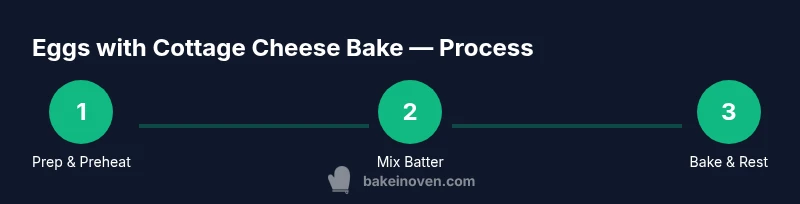
The batter comes together in a few straightforward stages: whisk eggs until smooth, blend in cottage cheese and milk for moisture, then fold in seasonings and any add-ins. Pour the batter into the prepared dish, sprinkle cheese on top, and bake until the center is barely set. The goal is a custard-like center with gentle, cohesive texture and just a hint of browning on the top. Rest the bake for 5-10 minutes after removing it from the oven to allow the structure to finish setting, which makes slicing neater and each portion starker in appearance.
Texture-wise, avoid overmixing, which can cause bubbles or an airy, unstable bake. If you notice too much moisture, drain extras from add-ins like vegetables before mixing. A gentle, even heat yields a tender interior with a stable, sliceable structure.
Texture, moisture, and flavor-control tips
To control moisture, pat dry any vegetables you fold into the batter and consider sautéing them lightly to evaporate extra water. For a richer flavor, use whole milk or light cream rather than water, and choose a cheese blend with a higher fat content for a golden top. Season in layers: add salt to the eggs, pepper to the cottage cheese, and a light pinch of nutmeg or paprika for warmth. If you like a creamy center with a slightly crisp top, finish the bake under a hot broiler for 1-2 minutes, watching closely to prevent burning.
Variations for different diets
This recipe adapts well for dairy-conscious or dietary-restricted kitchens. For lower dairy, reduce cottage cheese to 3/4 cup and increase eggs to 6-7 to preserve structure. For a gluten-free option, avoid any breadcrumbs or flour-based thickeners. A veggie-forward version uses spinach, tomatoes, and mushrooms. A protein-forward variant includes crumbled turkey sausage or diced ham. If you skip dairy, use a plant-based milk and vegan cheese substitute, but be prepared for a firmer texture and slightly different mouthfeel. The core technique—baking until the custard sets—remains the same.
Storage, make-ahead, and reheating
Leftovers store well in the refrigerator for up to 3-4 days. To reheat, you can sliced portions in a microwave at 50% power for 1-2 minutes or reheat in the oven at 325°F (165°C) for 8-12 minutes until warm. For make-ahead, assemble the batter the night before, refrigerate, and bake the morning you plan to serve. If freezing, portion after baking and freeze slices wrapped tightly; reheat in the oven to preserve texture. This approach makes weekday breakfasts quick and satisfying without sacrificing flavor or nutrition.
Troubleshooting common issues
If the bake comes out runny in the center, check oven temperature with a thermometer—mythically hot ovens can skew times. Let the batter rest briefly before baking to help the proteins set evenly. If the top browns too quickly, tent with foil for the remainder of the bake. Avoid over-mixing, which can incorporate air and cause an uneven texture. For a crumbier top, reduce cheese on top and increase the egg-to-cheese ratio slightly. Lastly, always rest the dish after baking; the residual heat continues to cook the center slightly and improves sliceability.
Serving ideas and pairings
Serve warm slices with a light green salad, roasted tomatoes, or sautéed greens for a complete meal. A dollop of sour cream or Greek yogurt on the side can add tang and moisture. For a brunch vibe, pair with fresh fruit or a crusty baguette. A side of avocado or smoked salmon complements the creamy texture without overshadowing the cottage cheese flavor. This dish also pairs well with a simple fruit compote for a touch of sweetness that balances the savory base.
Quick reference tips for home bakers
When you’re ready to bake, prepare your pan, preheat your oven, and assemble ingredients beforehand. Keep the batter smooth, fold in add-ins gently, and monitor the bake toward the end to avoid overcooking. This recipe thrives on balance: dairy, eggs, and seasonings should sing together rather than compete, so adjust salt and pepper gradually and taste as you go.
Tools & Materials
- eggs (large)(6-8 eggs depending on pan size)
- cottage cheese (full-fat or low-fat)(1 cup + 1/2 cup for topping)
- milk or cream(1/4 cup (adjust for desired richness))
- grated cheese (e.g., cheddar, mozzarella)(1 cup plus extra for topping)
- salt(to taste)
- black pepper(to taste)
- garlic powder or onion powder(optional for depth)
- fresh herbs (parsley, chives, dill)(chopped)
- vegetables for add-ins (spinach, peppers, mushrooms)(prep as desired)
- baking dish (9x13 inch)(greased)
- mixing bowls(prefer glass or stainless)
- whisk or electric mixer(for smooth batter)
- parchment paper or foil(optional for easy cleanup)
Steps
Estimated time: 40-55 minutes
- 1
Preheat and prep
Preheat the oven to 350°F (175°C). Lightly grease the baking dish and set it aside. If using add-ins, prep and set within arm's reach so you can fold them into the batter smoothly.
Tip: A greased pan prevents sticking and helps slices lift cleanly. - 2
Whisk eggs and cottage cheese
In a large bowl, whisk the eggs until smooth. Add cottage cheese and milk, mixing until the texture is well combined with no lumps. This creates a uniform custard base.
Tip: Room-temperature dairy blends more easily and reduces clumps. - 3
Season and build flavor
Stir in salt, pepper, and optional garlic or onion powder. Fold in chopped herbs and any pre-cooked vegetables or meats you’re using. Keep add-ins gentle to maintain a cohesive custard.
Tip: Taste the mixture before baking and adjust with a pinch more salt if needed. - 4
Combine and pour
Pour the batter into the prepared dish. Sprinkle the top with grated cheese for a golden crust. Even out the surface with a spatula so the center cooks evenly.
Tip: Give the pan a slight tilt to level the batter for uniform bake. - 5
Bake until set
Bake 30-40 minutes, or until the center jiggles slightly and a toothpick comes out clean from the sides. If the center looks too loose, bake 5-10 minutes longer and monitor closely.
Tip: Avoid overbaking; the center should be just softly set to keep a custard-like texture. - 6
Rest and slice
Let the bake rest for 5-10 minutes before slicing. The residual heat finishes setting the center and makes clean, neat portions.
Tip: Resting improves slice integrity and flavor melding. - 7
Serve or store
Serve warm with sides like fruit, greens, or toast. Refrigerate leftovers in an airtight container for up to 3-4 days or freeze portions for longer storage.
Tip: Label dates to track freshness and use within recommended timeframes.
Frequently Asked Questions
Can I freeze leftovers?
Yes. Portion the bake and freeze in airtight containers or foil-wrapped packages. Thaw in the fridge overnight and reheat gently in the oven or microwave to preserve texture.
Yes, you can freeze leftovers. Thaw in the fridge and reheat gently to keep the texture.
What if I don’t have cottage cheese?
You can substitute ricotta for a similar texture or use a slightly thicker yogurt. The flavor will be different, but the batter will still set nicely. Be mindful of moisture balance when substituting.
If you don’t have cottage cheese, try ricotta or thick yogurt as a substitute, keeping an eye on moisture.
What is the best oven temperature and bake time?
Bake at 350°F (175°C) for about 30-40 minutes, until the center is just set and a toothpick comes out clean at the edges. Ovens vary, so adjust time by 5-minute increments.
Bake at 350 degrees for around 30 to 40 minutes until set; adjust as needed for your oven.
Can I make this vegan?
A vegan version can be attempted with plant-based eggs substitute and dairy-free cheese. Expect a different texture and flavor. The custard structure remains possible with the right plant-based substitutes.
A vegan version is possible with plant-based eggs and cheese, but expect a different texture.
How should I store and reheat?
Store in the fridge in an airtight container for up to 3-4 days. Reheat slices in the oven at 325°F (165°C) for 8-12 minutes or microwave in short 30-second bursts until warmed through.
Keep leftovers in the fridge for a few days and reheat gently in the oven or microwave.
Can I add meat or extra protein?
Yes. Pre-cooked bacon, ham, or sausage can be folded into the batter. Add-ins should be pre-cooked to avoid extra moisture and ensure even cooking.
You can add precooked meat like bacon or sausage; ensure it’s cooked first.
Watch Video
Key Takeaways
- Preheat thoroughly for even texture.
- Balance dairy with eggs to achieve custard-like result.
- Rest before slicing to set the bake.
- Customize with add-ins without compromising structure.