How to Create an Example Bakery Business Plan
Learn to craft an example bakery business plan with actionable steps, from concept to finances, marketing, and risk management. This educational guide provides templates and kitchen-tested strategies for home bakers aiming to launch a successful bakery.


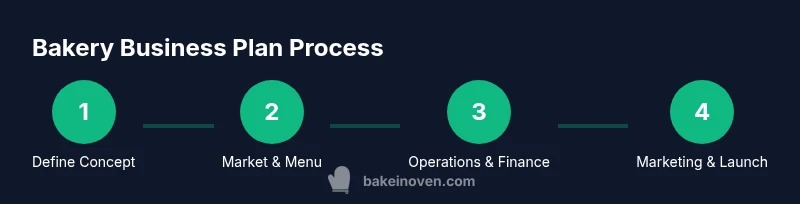
Create an example bakery business plan by outlining your concept, identifying your market, detailing the menu, and drafting basic financials and a marketing approach. This steps-based guide helps you document goals, build a realistic budget, and set milestones to track progress. Use a simple template to start and expand as you learn more about your local market.
Why an example bakery business plan matters
Starting a bakery is exciting, but turning a vision into a sustainable business requires a concrete plan. An example bakery business plan serves as a blueprint that translates ideas into actionable steps, from recipe development to shop layout and cash flow. According to Bake In Oven, a clear bakery business plan helps align kitchen capacity with customer demand, manage supplier relationships, and secure funding. By documenting objectives, targets, and timelines, you create a reference point you can revisit every quarter to measure progress and pivot when needed. This approach is particularly valuable in 2026, when consumer tastes shift rapidly and competition can grow quickly. The plan also acts as a narrative that communicates your concept to potential lenders, partners, and team members, creating alignment and accountability from day one.
Defining your bakery concept and niche
A successful plan starts with a crisp concept. Define the type of bakery you want to run (e.g., artisan loaves, patisserie, vegan sweets, or a hybrid) and pin down your niche. Ask: What makes your products unique? Is your focus on weekday breakfasts, special occasion cakes, or a subscription box for weekly pastries? Use this section to describe your brand voice, product range, and service model (in-store, takeout, delivery). A clear concept will guide menu planning, equipment needs, and labor structure. Include a few representative product ideas with approximate portion sizes and rough pricing ranges. A well-articulated niche helps target suppliers, pricing, and marketing messaging.
Market analysis essentials for a bakery
Knowledge of your market informs every decision in the plan. Outline your target customer segments (age, income, lifestyle), their bakery habits, and the competitive landscape. Identify direct competitors (other neighborhood bakeries) and indirect ones (grocery bakery sections, online dessert shops). Examine location dynamics, foot traffic patterns, and seasonal demand. Use simple, human-scale data sources such as neighborhood surveys, foot traffic observations, and publicly available business statistics. Bake In Oven analysis shows that understanding customer pain points—like long lines, inconsistent product quality, or limited dietary options—helps you tailor your offerings and pricing. Include a concise market-at-a-glance section so readers grasp opportunities at a glance.
Product and menu strategy
Menu planning is the heartbeat of a bakery business plan. List core products, seasonal specials, and any unique selling propositions. Consider inventory implications: what items share ingredients, what requires special equipment, and where there are cross-sell opportunities (coffees, teas, or savory bites). For each item, provide a rough recipe concept, estimated cost of ingredients, shelf life, and portion size. Discuss pricing strategy, including perceived value, competitor pricing, and promotions. If you plan to offer custom orders or catering, outline minimums, lead times, and the process for quoting jobs. This section should balance creativity with practicality, ensuring you can deliver quality consistently while maintaining reasonable margins.
Operations and location planning
Operational planning translates your concept into a feasible day-to-day reality. Describe your location strategy (home-based kitchen, commercial space, or shared commissary) and rationale based on labor, equipment, and customer access. Outline the workflow from dough prep to packaging, including equipment layout, sanitation practices, and production timelines. Staffing plans should cover roles, responsibilities, and training needs. Include supplier relationships for flour, dairy, produce, and packaging, plus contingency plans for shortages. Finally, address health and safety considerations, including food handling, allergen controls, and licensing requirements relevant to your jurisdiction.
Financial planning basics
Financial planning anchors your bakery plan in realism. Start with a high-level view of startup costs (equipment, deposits, licenses, initial ingredients) and operating costs (rent, utilities, payroll, packaging). Develop simple revenue projections based on yield, flow of customers, and average order value. Build a break-even analysis to understand how many sales you need to cover costs, and outline a funding plan that may include personal savings, loans, or investor support. Use flexible scenarios (base, optimistic, and cautious) to anticipate cash flow fluctuations. Remember to document assumptions clearly so you can adjust as you collect real data from sales and inventory.
Marketing, branding, and customer experience
Your marketing plan should translate your concept into visible signals. Define your brand identity (name, logo, colors, packaging) and customer experience (in-store layout, queuing, storytelling). Outline channels for discovery and engagement: local events, social media, partnerships with nearby businesses, and a simple loyalty program. Explain pricing psychology, promotions, and seasonal campaigns. Include a plan for customer feedback loops, product sampling, and post-purchase follow-up. A compelling brand narrative helps customers remember your bakery and return for repeat purchases.
Risk management and compliance
Every bakery carries risks, from supply chain disruptions to regulatory changes. Identify key risks (equipment failure, food safety incidents, staffing gaps, and price volatility) and describe mitigation strategies. Outline essential compliance steps: health permits, business license, insurance, and staff training. Consider creating a contingency budget for unforeseen costs and a disaster recovery plan for power outages or equipment breakdowns. This section demonstrates prudence and helps lenders or partners feel confident in your preparedness.
Putting it all together: an actionable sample outline
Conclude with a practical, ready-to-use outline. Present sections such as Executive Summary, Concept & Niche, Market Analysis, Menu & Production Plan, Operations & Location, Financial Plan, Marketing & Branding, Risk & Compliance, and an Appendix with sample recipes and pricing. Include a one-page executive snapshot, followed by deeper dives in subsequent pages. This final section is your roadmap for 12–18 months, with milestones and responsible owners clearly defined.
Tools & Materials
- Laptop or notebook(For drafting the plan and tracking revisions)
- Business plan template(Digital or printed template with standard sections)
- Budgeting calculator or spreadsheet(Used for basic financial projections and break-even analysis)
- Market research sources(Local demographics, foot traffic observations, and competitor notes)
- Cost estimation sheet(Estimate equipment, permits, ingredients, and packaging costs)
- Permits and licensing information(Health permits, business license, food handler permits)
- Tasting samples (optional)(Useful for feedback during concept validation)
Steps
Estimated time: 8-12 hours
- 1
Define goals and scope
Specify what success looks like in 12–18 months, including revenue, neighborhood presence, and product scope. Clarify what you will and will not do to avoid scope creep. This creates a stable direction for the plan.
Tip: Write measurable targets (e.g., monthly sales units) to track progress. - 2
Describe your bakery concept and target market
Capture the core concept, menu focus, and the audience you will serve. Include dietary niches and pricing psychology to guide product development and marketing.
Tip: Create at least two customer personas to validate your concept. - 3
Analyze competitors and market size
Map direct and indirect competitors, noting strengths and gaps. Estimate demand in your location using simple observations and available data.
Tip: Use a one-page competitive landscape chart for clarity. - 4
Outline product strategy and menu
List core items, seasonal specials, and price ranges. Align items with ingredient availability and equipment capacity.
Tip: Limit menu to a manageable number of SKUs to protect margins. - 5
Plan operations, location, and equipment
Select a store format and plan the kitchen layout, workflow, and staffing. Include a sourcing plan for ingredients and packaging.
Tip: Draft a basic kitchen layout to identify equipment needs early. - 6
Create a basic financial model
Develop revenue projections, fixed and variable costs, and a break-even estimate. Document assumptions for readability.
Tip: Prepare base, best-case, and conservative scenarios. - 7
Develop marketing and branding
Define brand elements and channels. Plan promotions, local partnerships, and a simple loyalty program.
Tip: Test pricing with a soft launch or pilot sales. - 8
Review and finalize the plan
Solicit feedback from trusted mentors, revise data, and ensure alignment across sections. Prepare a concise executive summary.
Tip: Schedule a pre-launch review with a partner or advisor.
Frequently Asked Questions
What should be included in an example bakery business plan?
An example bakery business plan should include an executive summary, concept and niche, market analysis, product and production plan, operations, financial projections, marketing, and risk management. It can also include an appendix with sample recipes and pricing.
A bakery plan should cover the concept, market, menu, operations, finances, marketing, and risk management.
How do I estimate startup costs for a bakery?
Estimate startup costs by listing equipment, licenses, deposits, initial ingredients, and packaging. Include a separate line for contingency funds. Compare quotes from suppliers and lenders to set realistic investment needs.
List equipment, licenses, and initial costs, then compare quotes to set a realistic investment need.
How long should a bakery business plan be?
A solid plan typically spans 10–20 pages, depending on the level of detail and the level of funding you’re seeking. Prioritize clarity over length.
Aim for 10 to 20 pages with clear sections and data.
Do I need a business plan to apply for a loan?
Yes. Lenders usually require a well-structured business plan that outlines concept, market, operations, and financial projections to assess risk and repayability.
Lenders typically want a solid plan showing you can repay the loan.
What is the difference between a business plan and a business model?
The business plan explains how you will operate and grow; the business model describes how you will generate revenue and sustain profits. The plan documents the model in practical terms.
The model explains revenue and costs; the plan lays out how you execute it.
How often should I update my bakery plan?
Review and revise your plan quarterly as you gather real sales and cost data. Update forecasts and adjust milestones accordingly.
Update it every few months as you learn from real data.
Watch Video
Key Takeaways
- Define a clear concept before budgeting.
- Base your plan on real market data.
- Prepare flexible financial scenarios.
- Test recipes and pricing with a mini-pilot.
- Regularly revisit and revise the plan.