Gluten Free Breakfast Bake: A Kitchen-Tested Guide
Learn how to make a delicious gluten free breakfast bake with practical steps, tips, and variations. Perfect for busy mornings and meal prep.


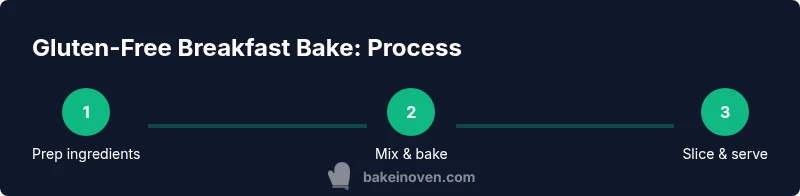
With this guide, you’ll bake a complete gluten free breakfast bake in one dish, saving time and minimizing mess. You’ll learn essential ingredients, pan prep, oven temperature, and step-by-step actions to ensure a tender, sliceable result that stays flavorful through the week. Follow alongside Bake In Oven for kitchen-tested tips and practical substitutions.
What is a gluten free breakfast bake and why it works
A gluten free breakfast bake is a one-dish, oven-baked combination of proteins, vegetables, and gluten-free starches that comes together in a cohesive sliceable bake. Because it relies on eggs for structure and a gluten-free binding approach, you can achieve a tender, custard-like center with a firm, golden edge. This method suits busy mornings, meal-prep routines, and family-friendly breakfasts. According to Bake In Oven, choosing certified gluten-free ingredients helps prevent cross-contact and maintains consistent texture. The goal is a balanced mix of protein, produce, and gentle starch that reheats well without drying out.
Core gluten-free ingredients and substitutions
When building a gluten free breakfast bake, start with a sturdy base: eggs provide the binding and richness, and dairy (or dairy-free alternatives) adds creaminess. For texture and bite, mix in a gluten-free flour blend or a small amount of almond or oat flour (certified gluten-free oats if used). Add vegetables like spinach, mushrooms, peppers, and onion for moisture and nutrition. Cheese contributes flavor and helps the bake stay cohesive. If you’re dairy-free, substitute plant-based milks and vegan cheese options. Always verify that oats are certified gluten-free if you include them, since cross-contact can occur during processing. Bake In Oven recommends pairing a protein (eggs, ground turkey, or sausage) with veggies for a satisfying morning meal.
Texture and structure: how to get a sliceable bake
To achieve a sliceable texture, balance moisture with a touch of starch and a binding agent. Use 1–2 tablespoons of tapioca or arrowroot starch per cup of liquid to help set, and avoid over-wetting the mixture by draining vegetables that release a lot of moisture. A slightly firmer bake around the edges grants cleaner slices, while a creamy center remains tender. Resting the bake for 5–10 minutes after removing from the oven allows the structure to settle, which makes slicing easier and prevents crumbly pieces. If your bake seems soft in the middle, cover loosely with foil and continue baking in 5-minute increments.
Flavor profiles and mix-ins you can try
Experiment with herbs (chives, parsley, thyme), spices (paprika, cumin, garlic powder), and toppings (sun-dried tomatoes, olives, or cooked sausage) to tailor the bake to your family’s tastes. For a lighter option, include more vegetables and less cheese, or swap half of the eggs for an extra splash of milk to adjust richness. A crisp topping—parmesan or dairy-free grated cheese—adds color and texture while enhancing aroma. If you want a breakfast bake that echoes a casserole, layer ingredients in a depth-friendly pan so flavors meld evenly as it bakes.
Make-ahead, freezing, and reheating tips
Gluten free breakfast bakes are ideal for meal prep. Bake, cool completely, then refrigerate up to 4 days or freeze for longer storage. Freeze in individual portions for quick reheating. Reheat gently in the oven or microwave until heated through, to preserve moisture and prevent a dry finish. When reheating, cover with foil or a damp paper towel to help regain some of the original tenderness. If you’re freezing, consider freezing the mixture before baking and finishing in the oven when you’re ready to serve.
Equipment setup and pan prep basics
Use a medium-to-large nonstick or well-greased baking dish (9x13 inches is common) to ensure even heat distribution. Line with parchment if you want easy removal and clean edges, then grease lightly to prevent sticking. A shallow pan helps edges brown evenly, while a deeper pan can keep the center moist. Have measuring tools, a whisk, a spatula, and a sharp knife ready so you can assemble quickly and prevent ingredient separation during mixing.
Troubleshooting: common issues and fixes
If the bake is watery in the center, it usually means excess moisture or insufficient binding. Drain watery vegetables, or add a touch more binding starch and eggs. If the texture is crumbly, increase binding by using an extra egg or a small amount of gluten-free starch. A dry top indicates overbaking; tent with foil and check a few minutes earlier next time. Taste and season during the final mix; under-seasoned bakes taste flat, while a well-seasoned bake tastes cohesive and satisfying. Bake until the internal temperature reaches a safe level for the chosen proteins and dairy components.
Tools & Materials
- 9x13 inch baking dish (or casserole dish)(Lightly grease or line with parchment for easy removal)
- Mixing bowls (2)(Stain-resistant, glass or metal)
- Whisk(For eggs and liquids)
- Measuring cups and spoons(Dry and liquid measures)
- Silicone spatula(For folding and scraping)
- Cutting board and knife(Chop vegetables and proteins)
- Grater (optional)(Shred cheese if not pre-shredded)
- Parchment paper (optional)(For easy removal)
Steps
Estimated time: 45-60 minutes
- 1
Gather and prep ingredients
Collect all ingredients and measure them. Chop vegetables, shred cheese if needed, and pre-measure spices. This minimizes last-minute scrambling and keeps the workflow efficient.
Tip: Measure liquids first to avoid overfilling measuring cups and ensure accuracy. - 2
Preheat oven and prepare pan
Preheat your oven to a reliable 350–375°F (175–190°C). Line or grease the baking dish to prevent sticking and ensure clean slices.
Tip: Preheating early prevents cold spots that could slow setting and browning. - 3
Whisk eggs and dairy or substitutes
Whisk eggs with milk or plant-based alternative, salt, pepper, and herbs. Add optional cheese now or reserve for topping to control melt and texture.
Tip: Whisk until fully blended but don’t overbeat; air bubbles can make texture uneven. - 4
Stir in vegetables, meat, and GF grains
Fold in vegetables, meat, and any gluten-free grains or blends. Distribute evenly to avoid dense pockets and ensure uniform cooking.
Tip: Lightly sauté watery vegetables first to reduce moisture before adding to mix. - 5
Add binding and seasonings
Incorporate binding agents like starch, then mix in salt, pepper, and spices. This helps the bake hold together when sliced.
Tip: Avoid too much liquid; you want a cohesive batter-like consistency. - 6
Bake until set and golden
Pour the mixture into the pan and bake 25–40 minutes, depending on depth and ingredients. The center should be just firm and the edges lightly browned.
Tip: Check at 25 minutes and rotate the pan for even browning. - 7
Rest, slice, and store
Let the bake rest 5–10 minutes before slicing. Serve warm or refrigerate for quick reheats later in the week.
Tip: Portion into individual servings for easy grab-and-go mornings.
Frequently Asked Questions
Can I make this dairy-free or vegan?
Yes. Use plant-based milks and vegan cheese, or omit cheese entirely. The eggs still provide binding, but you can add a little extra flaxseed meal mixed with water as a binder if you want to avoid eggs altogether.
Absolutely. Swap in dairy-free milk and vegan cheese, and consider a flaxseed binder if you’re avoiding eggs.
Can I freeze the uncooked bake?
You can freeze the assembled mixture before baking. Thaw overnight in the fridge and bake as directed, adding a few minutes to the bake time if needed. Freezing after baking is also possible in portions.
Yes, you can assemble and freeze, then bake later, or freeze already baked slices for quick reheats.
What pan size works best?
A 9x13 inch dish is ideal for even cooking and sliceable portions. If you use a deeper pan, extend the bake time and test for doneness in the center.
A standard 9-by-13 inch dish works best for even cooking and clean slices.
Are oats gluten-free?
Only use certified gluten-free oats if you include oats in the bake, to avoid gluten contamination during processing. If uncertain, omit oats and substitute with extra vegetables or GF grains.
Only use certified gluten-free oats, otherwise substitute with other GF grains or more veggies.
How can I avoid a dry bake?
Ensure balanced moisture, don’t overbake, and rest the bake after removing from the oven. You can add a splash more milk or a cheese layer to keep it juicy during reheating.
Don’t overbake, rest it, and consider a moisture-boosting dairy or plant-based tweak.
Can I add meat like sausage or bacon?
Yes. Cook meat beforehand to prevent pink moisture and distribute evenly to avoid dense spots. For a lighter option, use lean sausage or chopped bacon and drain fat before mixing.
Sure—cook and drain meat first, then fold it in evenly.
Watch Video
Key Takeaways
- Plan a balanced mix of protein, vegetables, and gluten-free starch.
- Use binding agents and controlled moisture for sliceable texture.
- Bake, rest, and refrigerate for reliable weeklong breakfasts.
- Customize with dairy-free options and flavor twists.