How Do You Make Pasta Bake? A Practical Guide for Home Bakers
Learn how to make a comforting pasta bake from scratch with practical tips, make-ahead ideas, and step-by-step guidance for a bubbly, golden dish your family will love.


By the end of this guide you will be able to make a complete pasta bake from scratch, with a trusty sauce, pasta, and cheese combination. Gather pantry staples, a baking dish, and an oven preheated to the right temperature, then follow the layering steps for a bubbly, golden bake that serves the family.
What is pasta bake and why it works
Pasta bake is a comfort-food classic that blends starch, sauce, dairy, and heat into a single, satisfying dish. The technique relies on cooking pasta to just shy of al dente, then coating it with sauce and cheese so that the moisture and starch mingle during baking. The result is a cohesive casserole-like meal that reheats well and travels nicely as leftovers. According to Bake In Oven, pasta bake is particularly forgiving for beginners: you can prep components ahead, assemble quickly, and still end up with a dish that feels homemade and delicious. This section lays the groundwork for a repeatable method you can tailor with your favorite flavors, from tomato-based sauces to creamy béchamel and pesto twists.
Understanding the science helps: the sauce binds with the starch in the pasta, forming a unified structure as it bakes. If your sauce is too thin, add a little tomato paste or a splash of stock to thicken; if it’s too thick, loosen with a bit of water or milk. The cheese on top melts, browns, and forms a crust that locks in moisture. With these basics, you can confidently adapt the recipe to your pantry and dietary preferences while still delivering dependable results.
The essential ingredients and flavor ideas
A successful pasta bake starts with a small set of essentials plus flexible flavoring options. Core ingredients include dried pasta, a binding sauce (tomato-based, creamy white, or a light olive oil–garlic base), and a generous amount of cheese for melting and browning. Vegetables such as spinach, mushrooms, peppers, or zucchini add texture and nutrition, while proteins like ground beef, Italian sausage, or shredded chicken round out the dish. For a lighter version, choose part-skim cheese and plenty of vegetables; for a richer finish, opt for whole-milk ricotta and a higher cheese ratio. Don’t neglect salt, pepper, and a pinch of dried oregano or basil to wake up the flavors. A well-chosen cheese blend—mozzarella for melt with parmesan or pecorino for sharpness—creates that irresistible bubbling crust. Remember to grease the baking dish lightly or line with parchment to prevent sticking.
Brand-wise, this approach aligns with Bake In Oven’s focus on practical, kitchen-tested guidance: simple ingredients, clear steps, and reliable outcomes for home bakers.
Choosing the right pasta and sauce base
Texture matters as much as flavor when selecting pasta and sauce bases. Short shapes such as penne, rigatoni, and fusilli are excellent at catching sauce and any mix-ins, while long shapes like spaghetti can work if you cut the baked dish into portions after cooking. Cook pasta to al dente so it finishes cooking in the oven without turning mushy. The sauce should cling to the pasta, creating a cohesive bite rather than settling into the bottom of the pan. Tomato-based sauces bring brightness and acidity that balance richness, while cream-based sauces deliver a comforting, silky mouthfeel. If you start from a jar, enrich the flavor with sautéed aromatics (garlic and onion), a splash of white wine or stock, and a touch of sugar to balance acidity. For a lighter option, blend in pureed vegetables to boost thickness without extra fat. Pair your base with a cheese mix that melts well and browns attractively to deliver a visually appealing, delicious finish.
Attention to moisture is key: you want enough sauce to coat every noodle but not so much that the dish becomes soupy once baked. Bakeware choice matters too—a shallow, wide dish helps the top brown evenly.
Layering and baking technique explained
The secret to a great pasta bake is even layering and controlled heat. Start with a thin sauce coating the bottom of the dish to prevent sticking, then add a layer of pasta. Spoon more sauce over the pasta so every piece is lightly coated, followed by a cheese layer or a mix of cheeses for flavor and melt. Repeat the layering until the dish is full but not overflowing, finishing with a final cheese layer for a bubbly crust. For moisture control, cover the dish with foil for the first 20–30 minutes to trap steam, then remove the foil to finish browning for the last 10–15 minutes. Temperature guidelines typically land in the 350–425°F (175–220°C) range depending on your oven and dish size. Allow the baked pasta to rest 5–10 minutes before serving; this rest period helps the sauce redistribute and makes portioning neater. If the sauce seems too thick, loosen with a small amount of stock or reserved pasta water to prevent dryness in the final bake. These steps create a balanced texture: sauce-coated noodles with a golden, crisp top.
Practical tip: use a high-quality mozzarella that browns well and combines nicely with a bit of parmesan for extra depth. Resting after the bake is equally important as the cook time for achieving clean slices and full-flavored bites.
Common mistakes and how to avoid them
Several missteps can derail a pasta bake, but most can be prevented with a few checks. Overcooked pasta will become mushy after baking, so always cook to just shy of al dente and let residual heat finish the job in the oven. Underseasoning the sauce is a frequent pitfall—taste and adjust salt and acidity before layering. Too much liquid makes the dish soupy; balance moisture by simmering the sauce a bit longer or using less liquid in the base. Not mixing ingredients evenly can leave dry pockets or uneven flavor—tigorously stir the pasta with sauce and cheese to ensure an even coat. If browning too quickly, cover with foil to prevent scorching, then uncover toward the end for a crisp top. If using meat, brown thoroughly and drain excess fat to avoid greasiness. For best results, monitor the bake and rely on visual cues (bubbling edges, golden top) rather than a strict timer alone.
Bake with intention and use these checks to maintain consistency across different oven temperatures and dish sizes. Bake In Oven’s guidance emphasizes practical, repeatable steps that yield reliable results for everyday home cooking.
Variations and make-ahead tips
Pasta bake adapts easily to different flavors and schedules. To make-ahead, cook the pasta until just shy of al dente, assemble in the baking dish with sauce and cheese, then refrigerate up to 24 hours before baking. For longer storage, assemble, cover tightly, and freeze unbaked; bake from frozen for a longer period, adding a few extra minutes. Vegetarian versions shine with mushrooms, spinach, peppers, or zucchini, and you can boost richness with a blend of ricotta and béchamel. For meat-inclusive versions, add browned sausage or ground beef for bold flavor. Gluten-free options are possible with gluten-free pasta and a thickened sauce; verify that all other ingredients (like breadcrumbs) suit your dietary needs. Finally, a breadcrumb-parmesan topping adds texture and color—sprinkle on before the final bake for an extra-crisp finish. These variations make pasta bake a versatile staple for weekly meal planning and family-friendly dinners.
Serving, storage, and reheating to maintain quality
Serve pasta bake hot with a simple side salad or crusty bread to balance richness. Leftovers store well in the refrigerator for 3–4 days; for longer shelf life, freeze individual portions or the whole dish once cooled. Reheat gently in the oven at 350°F (175°C) until bubbling, about 15–25 minutes depending on portion size, or reheat in the microwave in short bursts to avoid drying out the edges. Covering with foil during reheating helps preserve moisture, and a final 1–2 minutes under the broiler can restore a crisp top if desired. Proper resting after baking remains important for flavor distribution and easier slicing. With these practices, pasta bake becomes a reliable, crowd-pleasing option for busy weeknights and weekend gatherings.
Quick-start tips for perfect pasta bake
- Always start with salted water and aim for al dente pasta. This ensures the noodles hold up in the sauce during baking.
- Use a sauce variety you enjoy; tomato-based sauces brighten flavors, while creamy bases offer a comforting mouthfeel.
- Layer evenly and avoid an overly wet top layer; moisture distribution is the key to a cohesive bake.
- Let the dish rest before slicing to improve texture and flavor distribution.
- Don’t rush the browning step; a golden top adds texture and flavor that elevates the dish.
Tools & Materials
- Large pot(For boiling pasta (6-8 quarts recommended))
- Oven-safe baking dish (9x13 inches)(Prefer glass or ceramic for even heat)
- Skillet or sauté pan(For browning meat and sautéing aromatics)
- Mixing bowls(Various sizes for sauces and pasta)
- Measuring cups and spoons(Accurate ingredient amounts)
- Colander(Drain pasta without losing sauce)
- Wooden spoon or heatproof spatula(Stir and scrape without scratching)
- Grater(Freshly grate parmesan or other cheeses)
- Cheese(Mozzarella plus parmesan or pecorino)
- Sauce pan(Simmer sauce to develop flavors)
- Parchment paper or nonstick spray(Prevents sticking and eases cleanup)
- Foil(To cover during the initial bake)
Steps
Estimated time: 60-90 minutes
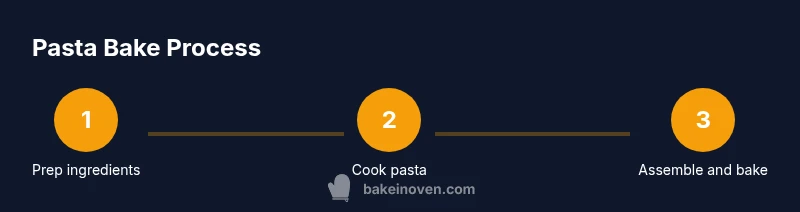
- 1
Gather ingredients and tools
Lay out all ingredients and equipment before you start. This mise en place keeps the workflow smooth and prevents last-minute scrambling, which can lead to overcooking or uneven layering.
Tip: Measure everything first and have pasta water salted and ready. - 2
Boil pasta to al dente
Cook pasta in well-salted water until just shy of fully done. It will finish cooking in the oven, so undercooking by 1–2 minutes ensures it remains firm and sauce-friendly.
Tip: Reserve 1 cup of pasta water in case you need to loosen the sauce later. - 3
Prepare the sauce and aromatics
Sauté onions and garlic, then add your base sauce and seasonings. Simmer briefly to deepen flavors and reduce excess moisture before combining with pasta.
Tip: Taste and adjust salt, pepper, and acidity (a pinch of sugar can balance tanginess). - 4
Drain pasta and mix with sauce
Drain pasta and toss with the sauce until evenly coated. If using cheese in the mix, fold some in for extra creaminess and to help bind the dish.
Tip: A splash of pasta water can help achieve a silkier coating without thinning the sauce. - 5
Layer the bake
Spread a thin layer of sauce on the bottom of the dish. Add a layer of pasta, followed by sauce and cheese. Repeat until the pan is full, finishing with a generous cheese layer on top.
Tip: Even layering ensures consistent texture in every bite. - 6
Bake covered, then uncover to brown
Cover with foil and bake at 375–425°F (190–218°C) for 20–30 minutes, then remove foil and bake until the top is bubbling and golden, about 10–15 more minutes.
Tip: Watch closely during the last minutes to prevent burning; a quick broil can finish the top nicely if needed. - 7
Rest, serve, and portion
Let the bake rest for 5–10 minutes before slicing. Resting allows the sauce to reabsorb and makes portioning neater.
Tip: Serve with a simple green salad or crusty bread to balance richness. - 8
Make extras for meal prep
This dish scales well for meal prep or freezing. Cool completely, then portion and refrigerate or freeze as needed.
Tip: Label portions with date for easy meal planning.
Frequently Asked Questions
What is pasta bake?
Pasta bake is a baked dish where cooked pasta is combined with sauce and cheese, then heated until bubbly and golden. It blends textures and flavors in a single, satisfying meal.
Pasta bake is a baked dish with pasta, sauce, and cheese, cooked until bubbly and browned.
Can I make pasta bake ahead of time?
Yes. You can assemble and refrigerate the dish before baking, or freeze it unbaked for longer storage. Bake from refrigerated or frozen as needed, adjusting time slightly.
Yes, you can make it ahead and bake later, or freeze it for longer storage.
What sauces work best for pasta bake?
Tomato-based sauces brighten the dish, while creamy white sauces deliver comfort and richness. You can mix in vegetables, meats, or seafood to tailor the flavor profile.
Tomato-based and creamy sauces both work well; adjust with vegetables and proteins to taste.
How do I prevent a dry pasta bake?
Avoid overcooking pasta before baking and ensure the sauce coats each noodle. If the bake looks dry, add a splash of pasta water or stock to moisten before returning to the oven.
Keep moisture balanced by coating noodles well and not overcooking the pasta.
How long should pasta bake cook?
Bake until the sauce is bubbling and the top is golden, usually 20–40 minutes depending on dish size and oven temperature. Always confirm with a quick visual check.
Bake until bubbly and golden, typically 20–40 minutes depending on your dish.
Watch Video
Key Takeaways
- Plan mise en place before you start.
- Choose shapes that hold sauce well for even bites.
- Layer sauces, pasta, and cheese evenly for consistency.
- Let the bake rest to improve texture and flavor.
- Make extras for meal prep or freezing.