Big Potatoes: How Long to Bake for Perfect Results
Learn how long to bake big potatoes for fluffy interiors and crisp skins. This comprehensive guide explains oven temps, potato sizes, doneness tests, and serving ideas to help home bakers achieve reliable, delicious results.


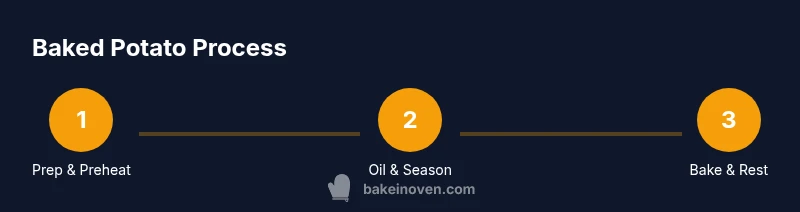
If you're baking a big potato, preheat to 400°F, scrub and oil the skin, pierce vents, and bake on a rack or sheet for about 60–75 minutes until the flesh is tender and the skin is crisp. Let them rest 5 minutes before serving. For best results, choose potatoes of similar size and avoid wrapping in foil if you want crisp skins. This approach balances heat exposure and yields reliably fluffy interiors.
Why timing matters for big potatoes
The bake time for large potatoes isn’t a one-size-fits-all number. Size, variety, starting moisture, oven calibration, and even the rack position in your oven all influence how evenly heat penetrates to the center. A potato that's too small to be considered “big” can finish early, while a truly large specimen may need more time to reach a fluffy interior. Understanding these variables helps home bakers avoid undercooked centers or overcooked exteriors. In this guide we’ll explore how to estimate bake times, how to adjust for different ovens, and how to test doneness with simple methods. For reference, this is a practical guide that aligns with common home-baking practices from Bake In Oven.
Choosing the right big potatoes and prep
Size matters when you’re aiming for a perfect bake. Look for potatoes that are roughly the same diameter and weight to ensure even cooking. Russet and Idaho varieties are ideal for baked potatoes due to their starchy flesh and fluffy interior when fully cooked. Wash thoroughly, dry completely, and pat skins dry before oiling. A light coating of oil and salt helps the skins crisp in the heat, while leaving the insides moist and tender. If you’re watching calories, you can still achieve crisp skins with careful air circulation on a rack. Preparation sets the foundation for predictable results and keeps you in control of texture.
Prepping and technique: pierce, oil, and heat distribution
Ventilation is essential for a good bake. Use a fork or skewer to pierce the skins several times to vent steam during baking. Coat skins with a thin layer of oil and a pinch of salt. Place potatoes directly on the oven rack (or on a parchment-lined sheet for easier cleanup) to maximize air circulation around the skin. If your oven runs hot in one zone, rotate the pan halfway through. These small adjustments promote uniform browning and a crisp exterior without drying out the flesh.
Baking times by size and oven type
A typical 10–12 oz large potato bakes in about 60–75 minutes at 400°F (205°C) in a conventional oven. If your spuds are bigger—12–14 oz or more—plan for 75–90 minutes. Convection ovens cook faster; reduce the time by about 15–25% or lower the temperature by 25°F and check earlier. If you prefer foil-wrapped potatoes, expect slightly longer, softer skins. Always weigh your expectations against your oven’s quirks and the potato’s exact size. Use these ranges as a reliable starting point for consistent results.
Doneness tests and finishing touches
Check for doneness by inserting a fork or skewer into the center; it should glide in easily and the skin should be crisp. Another cue is to press the potato gently; the flesh should yield and feel fluffy inside. Remove from the oven and let rest 5–10 minutes to finish steaming and to allow flavors to settle. Slice open, fluff the interior with a fork, and season or top as desired. Finishing touches like butter, sour cream, chives, or cheese elevate texture and flavor.
Serving ideas and troubleshooting
Serve immediately for best texture; if you’re hosting a large group, keep baked potatoes warm in a low oven (about 200°F) while you finish toppings. If the skins aren’t as crisp as you’d like, return the potatoes to the oven for 5–10 minutes longer or broil for a brief minute watchfully. For stuffing, bake a larger potato and scoop out the center to mix with toppings, then return the hollow shell to the oven to reheat briefly. These practical tips help you maximize yield and satisfaction.
Authority sources
For further reading on recommended temperatures and doneness cues, see official sources and university extension pages listed in the references below. These materials support home bakers in achieving reliable baked potato results and offer additional tips on oven performance and food safety.
note”:null},
Tools & Materials
- Baking potatoes (large Russet or Idaho)(3–4 potatoes, 10–12 oz each)
- Olive oil or neutral oil(1–2 teaspoons per potato)
- Kosher salt(1/2–1 teaspoon per potato)
- Fork or skewer(Pierce skins to vent steam)
- Baking sheet or wire rack(For direct heat contact or air circulation)
- Parchment paper or aluminum foil (optional)(Makes cleanup easier or can soften skins)
- Oven mitts(Heat resistant)
- Timer(Helps track bake time)
- Optional toppings(Butter, sour cream, chives, cheese)
Steps
Estimated time: 60-90 minutes
- 1
Preheat and prepare the oven
Preheat the oven to 400°F (205°C) and position the rack in the middle to ensure even heat distribution. A steady, moderate heat promotes an even bake and crisp skin without drying the interior.
Tip: If you prefer crisper skins, start with a hotter oven for the first 10 minutes, then reduce to 400°F. - 2
Wash, dry, and oil the potatoes
Thoroughly scrub the potatoes to remove dirt. Dry completely, then rub a thin coat of oil over the skin and sprinkle with salt. This helps crisp the exterior and enhances flavor.
Tip: Pat the skins dry before oiling to maximize crispness. - 3
Pierce and vent
Use a fork to pierce the skins several times to allow steam to escape during baking. Skipping this step can lead to steam buildup and potentially burst skins.
Tip: Pierce 6–8 times around each potato for consistent venting. - 4
Bake and rotate if needed
Place the potatoes directly on the oven rack or on a parchment-lined sheet. Bake 60–75 minutes for 10–12 oz sizes; rotate once halfway through to promote even browning.
Tip: If potatoes are very large, expect 75–90 minutes; use doneness tests to confirm. - 5
Test for doneness and rest
Insert a fork or skewer; it should slide in easily. Let the potatoes rest 5–10 minutes before serving to finish steaming and improve texture.
Tip: If you’re in a hurry, wrap them in a clean towel after removing from the oven to speed up resting. - 6
Serve with toppings
Split open the potatoes, fluff the interior with a fork, and add toppings such as butter, sour cream, or cheese. Serve immediately for best texture.
Tip: Keep toppings warm and offer a topping bar to guests for easy customization.
Frequently Asked Questions
Do I need to wrap big potatoes in foil before baking?
Wrapping in foil softens skins and traps moisture. If you want crisper skins, bake unwrapped on a rack and skip foil. Foil can be used if you prefer softer skins.
Foil makes skins softer. For crisper skins, bake unwrapped on a rack.
What oven temperature is best for big potatoes?
A common approach is 400°F (205°C). This temp yields a fluffy interior with a crisp skin. If your oven runs hot, 395–400°F works well; for convection, lower time accordingly.
400 degrees is a good starting point; adjust for your oven.
How can I tell if a baked potato is done?
A fork should slide into the center with little resistance and the skin should be crisp. If it meets resistance, bake 5–10 more minutes and test again.
If a fork slides in easily, it’s done.
Can I bake potatoes on parchment paper?
Yes, parchment makes cleanup easier. It may slightly reduce browning on the bottom, but it’s convenient for sheet-bake setups.
Parchment is fine; it changes browning a bit.
Can I bake sweet potatoes using the same method?
Yes, you can bake sweet potatoes with similar technique, but their sugars caramelize differently and may require slightly less time. Check for tenderness with a fork.
Sweet potatoes bake in a similar way, but watch the time.
Key Takeaways
- Size and oven type dictate bake time.
- Oil and salt promote crisp skins and flavor.
- Doneness tests are fork-tenderness and fluffy interiors.
- Convection reduces bake time; adjust accordingly.
- Resting improves texture and flavor.