How to Bake a Lasagna: A Home Baker's Guide
Learn how to bake a lasagna from scratch with our comprehensive, kitchen-tested guide. From sauce to layering and baking, discover pro tips for perfect texture, flavor, and sliceable portions every time.


Learn how to bake a lasagna from start to finish. This step-by-step guide covers sauce, ricotta filling, and pasta layers, plus tips for a perfectly tender noodle texture and a bubbly, golden top. Gather a few pantry staples, a 9×13-inch pan, and preheat your oven to 375°F for best results.
Why Lasagna Is a Crowd-Pleaser and Why This Method Works
Lasagna is a crowd-pleaser because its layered structure lets you combine flavors, textures, and ingredients in one hearty dish. When you bake it correctly, you get tender pasta, a thick, glossy sauce, and melted cheese that pulls into delightful strings. This method emphasizes balance: a rich sauce, a creamy cheese filling, and noodles that soften without becoming mushy. According to Bake In Oven, starting with a well-seasoned sauce and properly prepared noodles sets you up for a successful bake. The key is organization: pre-measure ingredients, set up your assembly station, and time the bake so the top browns evenly without scorching. If you’re cooking for a crowd or meal-prepping, lasagna scales wonderfully without losing texture or flavor. The result is a comforting, oven-warmed dish that tastes like it spent longer in the kitchen than it did. With the right technique, you can achieve bakery-worthy layers right at home. This approach also accommodates variations like meat, vegetables, or dairy-free fillings, making lasagna adaptable to dietary needs. Bake In Oven’s guidance helps home bakers normalize the process and nail the fundamentals.
Ingredients and Prep: Sauce, Filling, and Noodles
Lasagna starts with three core components: sauce, a creamy cheese filling, and the noodles that hold the layers together. You can choose a traditional meat sauce or a robust vegetarian base loaded with vegetables. If you prefer, use a store-bought marinara or a simple custom sauce you simmer for 20–30 minutes. For the cheese filling, a classic mixture of ricotta (often blended with egg to bind), mozzarella for melt, and Parmesan for sharp tang works beautifully. Fresh herbs like basil or oregano add aroma, while a pinch of nutmeg can brighten the ricotta. If you opt for no-boil noodles, ensure your sauce is slightly looser so the sheets hydrate properly during baking. Pre-assemble the dry ingredients and consider scales for accuracy: measure salt, pepper, and sugar or acidity to balance the sauce. Preheat the oven to 375°F and prepare a 9×13-inch baking dish with a light coating of olive oil to prevent sticking. The goal is to have everything ready so assembly moves smoothly without rushing at the last minute.
Layering Techniques for Even Texture and Deep Flavor
Layering is where lasagna transforms from a simple casserole into a culinary experience. Start with a thin sauce coat on the bottom of the pan to prevent sticking and to help noodles soften evenly. Add a layer of noodles, then spread a generous portion of ricotta mixture over the noodles, followed by a layer of meat sauce (or sautéed vegetables) and a sprinkle of mozzarella. Repeat the sequence, ending with a final top layer of sauce and a thick blanket of mozzarella and Parmesan. The order matters: sauce, noodles, ricotta, meat or vegetables, more sauce, cheese. This helps moisture distribute evenly and prevents the top from drying out. If using both regular and no-boil noodles, consider briefly par-cooking the regular sheets to avoid a gummy texture. For extra flavor, you can tuck sautéed spinach, mushrooms, or roasted zucchini between layers. Bake In Oven recommends resting the finished lasagna after slicing for cleaner portions and enhanced flavor integration, a habit that improves texture and flavor.
Baking, Cooling, and Slicing for Best Results
Cover the lasagna with foil and bake at 375°F for 25–30 minutes to let the layers meld. Remove the foil and continue baking for another 15–25 minutes until the top is bubbling and lightly browned. If your sauce was thick, you may need a few extra minutes to ensure the interior reaches a safe temperature. A thermometer reading of 165°F in the center confirms doneness. After baking, let the lasagna rest for 10–15 minutes; this helps the structural proteins set and makes slicing neat, with fewer ragged edges. Slice with a clean, serrated knife for crisp edges. Serve with a simple green salad or garlic bread to balance richness. The aroma of melted cheese and savory sauce will invite everyone to the table, and leftovers reheat well in the oven or microwave. Keeping the lasagna covered in the fridge for up to three days while it cools after baking helps maintain moisture and flavor for subsequent meals.
Troubleshooting and Variations: Gluten-free, Dairy-free, and Make-ahead
If you need gluten-free lasagna, substitute gluten-free noodles and ensure your sauces are certified gluten-free to avoid cross-contamination. For dairy-free versions, use dairy-free cheeses and a robust tomato or mushroom-based sauce to maintain creaminess; you can blend soaked cashews with a bit of nutritional yeast for a dairy-like richness. To make-ahead, assemble the lasagna but do not bake; refrigerate for up to 24 hours and bake later, adding extra 15 minutes to the total bake time. Freezing is another option: assemble and freeze unbaked, then bake from frozen for a longer period, adding 30–40 minutes of bake time. If your layers seem dry, add a small amount of additional sauce between layers before baking. Finally, consider roasting peppers or zucchini to introduce a smoky sweetness that complements the meat or mushroom fillings. These variations keep the dish exciting while preserving the classic lasagna structure.
Tools & Materials
- 9×13-inch baking dish(Rectangular glass or ceramic pan; size is important for even layering)
- Olive oil(Lightly grease pan and sauté veggies)
- Large pot(For sauce and optional par-cooking noodles)
- Skillet or sauté pan(Cook meat or vegetables for filling)
- Bowls for mixing(One for ricotta filling, one for herbs and spices)
- Ricotta cheese(Base filling; can blend with egg)
- Mozzarella cheese(Shredded for melty top)
- Parmesan cheese(Grated for depth of flavor)
- Pasta sheets (regular or no-boil)(Choose based on preference; no-boil saves time)
- Marinara or meat sauce(Your base sauce; can be store-bought or homemade)
- Salt and pepper(Season to taste)
- Fresh herbs (basil/oregano)(Adds aroma and brightness)
- Aluminum foil(To cover during the initial bake)
Steps
Estimated time: Total time: 1 hour 45 minutes
- 1
Gather ingredients and preheat
Collect all components and measure each item. Preheat the oven to 375°F and lightly oil the baking dish to prevent sticking. This upfront organization saves time during assembly and reduces last-minute scrambling.
Tip: Lay out ingredients on a counter in the order you’ll use them to speed assembly. - 2
Prepare sauce and fillings
Simmer your sauce to enrich flavors while you whisk ricotta with eggs and Parmesan. If you’re using meat, brown it until fully cooked; drain excess fat. This step builds the core flavor foundation for the layers.
Tip: If your sauce is too thin, simmer longer; a thicker sauce helps prevent a watery lasagna. - 3
Boil noodles or verify no-boil readiness
If you’re using regular noodles, boil until al dente, then drain and cool slightly. No-boil noodles still need moisture from the sauce to soften in the oven. Have ready a pan of warm water for quick rehydration if needed.
Tip: Avoid overcooking noodles; they’ll continue to cook as they bake. - 4
Mix cheese filling
Combine ricotta with eggs, grated Parmesan, salt, and pepper. Optionally fold in chopped fresh herbs. The mixture should be creamy and cohesive, but not runny.
Tip: A cup of mozzarella folded into the ricotta heightens melt and texture. - 5
Assemble first layer of sauce
Spread a thin layer of sauce across the bottom of the dish to prevent sticking and to help the noodles soften evenly.
Tip: A thin base prevents dry edges in the final slice. - 6
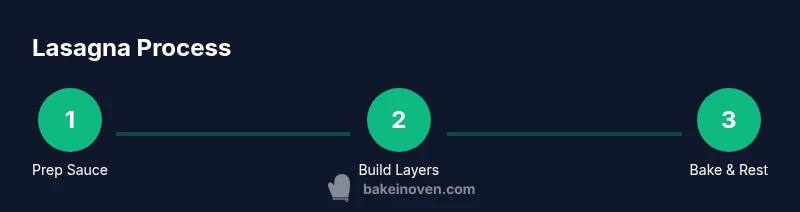
Layer noodles, ricotta, and sauce
Add a layer of noodles, then dollop and spread ricotta filling, followed by sauce and a sprinkle of mozzarella. Repeat until you reach the top, finishing with sauce and cheese.
Tip: Press gently to compact layers without squeezing out sauce. - 7
Bake covered, then uncover and finish
Cover with foil and bake at 375°F for 25–30 minutes, then uncover and bake until the top is bubbling and golden at the edges. Let stand 10–15 minutes before slicing.
Tip: Resting helps the sauce thicken and slices hold their shape.
Frequently Asked Questions
Can I make lasagna ahead of time?
Yes. You can assemble the lasagna and refrigerate it before baking, or bake it and refrigerate leftovers. When baking from cold, allow for extra bake time so the dish heats evenly.
Yes, you can assemble ahead and refrigerate, or bake and store leftovers. If baking from cold, add time so it heats through evenly.
What noodles should I use for lasagna?
You can use regular lasagna noodles (boiled first) or no-boil noodles. No-boil noodles save time but may require a slightly looser sauce to hydrate properly.
You can use both regular or no-boil noodles; no-boil is convenient but ensure enough moisture.
Why is my lasagna watery?
Excess sauce or watery vegetables can release liquid during baking. Thicken the sauce ahead of time and drain vegetables well. Let the dish rest after baking to let liquids redistribute.
Too much sauce or veggies can make it watery. Thicken sauce and drain veggies, then rest before slicing.
How do I freeze lasagna?
Lasagna freezes well either baked or unbaked. Wrap tightly to prevent freezer burn and label. Thaw in the fridge before baking if frozen unbaked; bake longer if from frozen.
Lasagna freezes well; wrap tightly and label. Thaw before baking if frozen unbaked.
Can I make dairy-free lasagna?
Yes. Use dairy-free cheese substitutes and a robust tomato- or mushroom-based sauce to maintain creaminess and depth. Ensure sauces are dairy-free and check ingredient labels.
Absolutely. Use dairy-free cheeses and a rich sauce to keep the lasagna creamy and flavorful.
Watch Video
Key Takeaways
- Gather and prep all components before assembly.
- Layer in a consistent order for even texture across slices.
- Bake covered first, then finish uncovered for a golden top.
- Rest before slicing to achieve clean portions.