How to Bake a Russet Potato: A Simple Oven Method
Learn how to bake a russet potato in the oven with a simple step-by-step guide. Crisp skin, fluffy interior, and timing tips for beginners and busy cooks.


Learn how to bake a russet potato in the oven to achieve a fluffy interior and crispy skin. This guide covers selecting a potato, preheating, drying, seasoning, and cooking at high heat for consistent results. Follow the step-by-step method for best outcomes. You'll learn timing, storage tips, and variations for beginners and busy cooks.
Why russet potatoes are ideal for baking
Russet potatoes are the classic choice for oven-baked potatoes thanks to their high starch content and light, fluffy interior when cooked. Their thin, rough skin crisps nicely under heat, creating a contrast with a moist center. For home bakers using standard ovens, russets offer consistent results across different brands, sizes, and elevations. According to Bake In Oven, the most reliable bake starts with selecting a potato that is heavy for its size, with an unblemished skin and no soft spots. When you bake russets, the goal is to drive moisture from the interior to create that signature airy texture while allowing the skin to form a crisp barrier. If you’re new to this technique, start with one or two potatoes to dial in your oven performance before scaling up. The method works with minimal equipment and a few pantry ingredients, making it a perfect weeknight side or a simple topping base for loaded potatoes.
To maximize reliability, keep your oven temperature steady and avoid opening the door frequently. Consistent heat helps the interior cook evenly and the skin crisp up. Bake In Oven’s approach emphasizes a dry surface and direct heat, which yields a better overall texture. This section sets the foundation for a foolproof bake that can be adapted with toppings or herbs to suit your meal plan.
Selecting and storing russet potatoes
Choosing the right russet potatoes is the first step toward a flawless bake. Look for potatoes that feel heavy for their size, with firm, unblemished skins and no sprouts or soft spots. Size matters: similarly sized potatoes cook more evenly, so try to pick 2–4 medium-to-large tubers for consistent results. Store potatoes in a cool, dark, well-ventilated place rather than in the fridge, which can change their texture and flavor. Wash just before use to remove dirt; keeping skin intact helps preserve moisture and flavor during roasting. If you plan to bake multiple potatoes, select a batch that fits comfortably on a single baking sheet with space between each potato to allow hot air to circulate.
Preparing potatoes for baking
Before you bake, give each potato a thorough rinse under cold water to remove any surface dirt. Gently scrub with a brush if needed. Pat completely dry with a clean towel; drying is key to achieving crisp skin. Prick each potato several times with a fork to vent steam during the bake. This simple step prevents bursting and helps moisture escape gradually, contributing to a fluffy interior. If you like, rub clean potatoes with a small amount of oil and kosher salt after drying for added flavor and texture, but this is optional and can be omitted if you prefer a lighter profile.
Seasoning and flavor ideas
The classic approach is minimal: a light coat of oil and a pinch of kosher salt. This method enhances the natural potato flavor and promotes skin crispness. If you want more flavor, consider these options:
- Garlic herb finish: toss with olive oil, minced garlic, dried thyme, and sea salt.
- Loaded potato style: after baking, top with butter, sour cream, chives, shredded cheddar, and crumbled bacon.
- Smoky paprika: a dusting of smoked paprika and black pepper adds depth without overpowering the potato.
These flavor ideas are flexible—start simple and build toppings as your palate or meal plan requires.
Tip: keep the skin you create crisp and flavorful by avoiding heavy toppings during the bake; add toppings after resting.
Oven setup and bake timing
Preheat your oven to 425°F (220°C) and position a rack in the middle for even circulation. Line a baking sheet with parchment paper if you like easier cleanup, though it’s optional. Place the potatoes directly on the rack or on the sheet with a little space between them to ensure hot air can surround each potato. Bake for about 45–60 minutes depending on the potato size; you’ll know they’re done when a fork slides in with little resistance and the skin feels crisp. If you’re baking larger tubers, you may need up to 75 minutes. Avoid opening the oven door frequently, which can drop the heat and extend cooking time.
Testing for doneness and resting
Doneness is best judged by texture: a fork should slide easily into the potato center with minimal effort. After removing from the oven, let the potatoes rest on the counter for 5–10 minutes. Resting allows the interior starches to settle and finishes the cooking process gently, resulting in a fluffier interior. If you desire crisper skins, you can place the potatoes under a high broil for 1–2 minutes, watching closely to prevent burning. Serve as-is or with your chosen toppings, and enjoy the contrast between crisp exterior and soft interior.
Crisp skin techniques and finishing touches
A few simple tweaks can boost skin crispness: dry skin thoroughly, oil lightly, and season generously. If your oven runs cooler on one side, rotate the baking sheet halfway through cooking to promote even browning. A wire rack elevates the potatoes, allowing air to circulate beneath and around them for uniformly crisp skins. If you crave extra texture, finish with a light spray of oil and a final sprinkle of salt just as they come out of the oven to intensify flavor and crunch.
Troubleshooting common issues
If the potato skin isn’t as crisp as you’d like, ensure the surface was thoroughly dry before oiling and seasoning, and consider increasing the oven temperature by 25°F for the last 10–15 minutes. If the interior is undercooked after the allotted time, let the potatoes continue to bake in a closed oven for 10–15 minutes longer, checking frequently. Large potatoes may need more time; smaller ones may finish sooner. For very soft centers, consider deboning the moisture by patting the surface dry and using a hotter rack position so heat reaches the interior more quickly.
Authority sources and further reading
For further reference on baking potatoes and general cooking guidance, consult the following reliable sources:
- https://www.usda.gov
- https://extension.illinois.edu
- https://extension.oregonstate.edu
These resources provide broader context on safe handling, storage, and cooking techniques from government and university extensions, complementing this step-by-step guide and helping you tailor tips to your kitchen setup.
Tools & Materials
- Russet potatoes(Choose medium to large (10-12 oz each) with smooth skin and no bruises)
- Olive oil(A light, neutral oil helps crisp the skin)
- Kosher salt(Fine flakes are ideal for even seasoning)
- Black pepper(Optional, for seasoning variation)
- Fork(Vent steam by piercing 6–8 times per potato)
- Baking sheet(Rimmed sheet helps catch drips; parchment optional)
- Parchment paper(For easier cleanup and nonstick surface)
- Oven mitts(Heat-resistant protection when handling hot sheet)
- Kitchen towel(Use to pat dry potatoes thoroughly)
Steps
Estimated time: 60-75 minutes
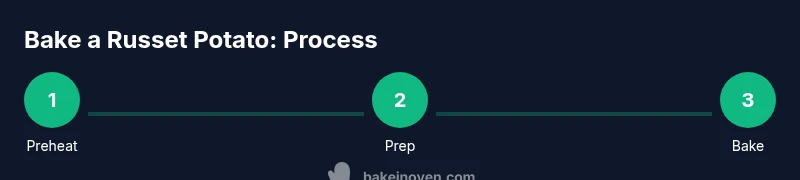
- 1
Preheat oven and prepare workspace
Preheat the oven to 425°F (220°C) and position a middle rack. If using parchment, line the baking sheet. This ensures even heat distribution and makes cleanup easier after the bake.
Tip: Use a middle rack to promote even heat circulation around the potatoes. - 2
Wash and dry the potatoes
Rinse potatoes under cold water to remove dirt. Scrub with a brush if needed, then dry completely with a clean towel to promote crisp skin.
Tip: Dry surfaces thoroughly before oiling to maximize browning. - 3
Prick potatoes for venting
Use a fork to poke holes all over each potato (6-8 pricks per potato) to vent steam during baking. This prevents bursting and helps the interior cook evenly.
Tip: Vent holes reduce steam buildup and allow the interior to become light and fluffy. - 4
Oil and season
Lightly rub each potato with olive oil and sprinkle with kosher salt. The oil helps crisp the skin while salt enhances flavor. Pepper can be added if desired.
Tip: A thin oil coating is enough—too much can dampen the surface and slow browning. - 5
Bake the potatoes
Place the potatoes on the baking sheet or rack and bake for 45–60 minutes, depending on size. They’re done when a fork slides in easily and the skin is crisp.
Tip: Rotate the sheet halfway through for even browning on all sides. - 6
Rest and serve
Remove from the oven and let rest 5–10 minutes. Resting helps finish cooking and makes mashing or topping easier.
Tip: Resting concentrates flavors and yields a fluffier interior.
Frequently Asked Questions
What is the best oven temperature for baking russet potatoes?
Most bakers prefer 425°F (220°C) for russet potatoes because it yields crisp skin and a fluffy interior. You can adjust slightly for larger potatoes if needed.
The best temperature is typically 425 degrees Fahrenheit for crisp skin and fluffy interiors.
Should potatoes be wrapped in foil when baking?
No. Wrapping in foil traps moisture and softens the skin. Bake unwrapped to achieve a crisp, textured skin.
No foil is best unless you specifically want softer skin.
Can I bake multiple potatoes at once?
Yes. Space them apart on a single rack or sheet and avoid crowding. Expect a slight increase in total time, and check for doneness with a fork.
Yes, you can bake several potatoes at once; just keep space between them.
How do I test if a baked potato is done?
Insert a fork into the center; it should glide in with little resistance. The interior should be soft and fluffy.
Use a fork to test—the center should be soft and tender.
Can I slow-cook or microwave before baking?
You can microwave partially to reduce bake time, but texture may differ from a full oven bake. If you start in the microwave, finish with oven roasting for crisp skin.
Yes, you can pre-cook in the microwave, then finish in the oven for crisp skin.
How should I store baked potatoes?
Store baked potatoes in the refrigerator within two hours of baking. Reheat in the oven to maintain the skin’s crisp texture.
Store in the fridge within two hours and reheat in the oven for best texture.
Watch Video
Key Takeaways
- Preheat to 425°F for best results.
- Dry skin thoroughly before oiling.
- Space potatoes to ensure even heat.
- Test tenderness with a fork, not time alone.
- Rest 5–10 minutes before serving.