How to Bake a Spiral Ham: The Ultimate Step-by-Step Guide
Learn how to bake a spiral ham to juicy perfection with a kitchen-tested, step-by-step method. thawing, scoring, glazing, reheating to 140°F, and carving—all explained with practical tips from Bake In Oven.


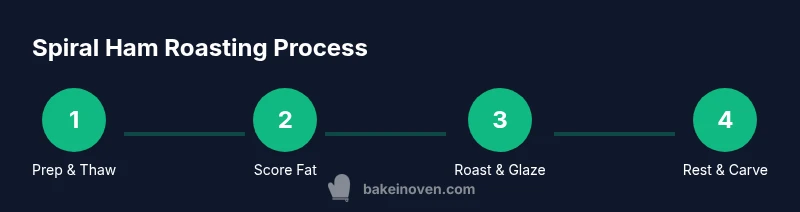
According to Bake In Oven, you can bake a spiral ham with reliable, juicy results by thawing if needed, scoring the fat, glazing toward the end, and reheating to 140°F. After resting, carve along the spiral grooves for neat servings. This guide covers temps, timing, safety, and practical tips from the Bake In Oven team.
Why Spiral Ham Is a Practical Star for Holidays
Spiral-sliced ham is a reliable centerpiece for gatherings because it’s ready-to-serve and easy to portion. The pre-sliced layout helps ensure consistent slices, while the fat cap protects moisture during heating. In this guide, we focus on a fully cooked spiral ham and emphasize safe reheating, glaze choices, and practical timing so you get juicy, flavorful slices without guesswork. Bake In Oven's approach blends food-safety fundamentals with tested kitchen technique to make holiday cooking less stressful and more enjoyable.
Choosing Your Ham and Planning Ahead
Start with a fully cooked spiral ham and plan to reheat safely to an internal temperature of 140°F. The size of the ham determines heating time, so read the label for weight and any glaze recommendations. If you’re starting from frozen, thaw in the refrigerator for 24–48 hours or use a cold-water method, changing water every 30 minutes. Proper thawing promotes even heating and reduces the risk of undercooking.
Prep: Thaw, Trim, Score, and Season
If your ham is pre-cooked, your main tasks are glazing and heating. Remove packaging and any plastic wrap, then pat the surface dry. Place the ham on a rack in a roasting pan to ensure air circulates around the meat. Score the fat in a diamond pattern to help render the fat and let glaze penetrate. Have your glaze ready; whisk it until smooth so you can brush it on during the final phase for an even, glossy finish.
Glazes That Brighten Flavor (Options Included)
A glaze adds color, aroma, and flavor. Classic options include a brown-sugar–honey glaze with a hint of mustard, orange juice with maple, or a tangy apple-cider glaze. Whisk ingredients in a small saucepan until smooth, then brush on the ham in the last 20–30 minutes of heating. Save a little glaze for serving on the side if you like a brighter finish or extra moisture at the table.
Roasting and Heat Management
Preheat the oven to a moderate range (about 275–300°F). Place the ham on a rack in a roasting pan so heat reaches all surfaces, and tent with aluminum foil if the surface browns too quickly. Since most spiral hams are fully cooked, the goal is thorough reheating and glaze setting, not lengthy cooking. Use a meat thermometer to monitor progress; a center temperature of 140°F is your cue to finish and rest.
Resting, Carving, and Serving
Rest the ham for 15–20 minutes after removing it from the oven to allow the juices to redistribute. Resting makes slices easier to cut and keeps the meat juicy. Carve along the natural spiral grooves with a sharp blade for neat portions. Present with extra glaze on the side and balance the plate with tangy sides to contrast sweetness.
Troubleshooting and Quick Fixes
If the exterior looks pale, brush on glaze and return to heat briefly to deepen color. If the ham seems dry, tent with foil and lightly baste to retain moisture. Always verify doneness with a thermometer rather than relying solely on time, since oven performance varies and marbling affects juiciness.
Tools & Materials
- Roasting pan with rack(Fits a standard 10–16 lb ham with space for glaze.)
- Meat thermometer(Prefer a probe thermometer for accurate readings.)
- Basting brush(Silicone is easiest to clean.)
- Heavy-duty aluminum foil(Use to tent or wrap portions to prevent burning.)
- Carving knife and carving board(Sharp blade helps clean slices.)
- Mixing bowl and whisk(For whisking glaze ingredients.)
- Small saucepan(For warming glaze on stove.)
Steps
Estimated time: Total time: 2-3 hours including rest
- 1
Prep the ham and setup
If frozen, thaw completely. Remove packaging and pat dry. Place it on a rack in a roasting pan to promote even heat distribution.
Tip: Thaw in the fridge 24-48 hours for best texture. - 2
Score the fat
Lightly score the fat in a diamond pattern to help render fat and let glaze penetrate. Do not cut into the meat.
Tip: Be careful not to cut too deep; keep lines shallow. - 3
Make the glaze
Whisk glaze ingredients in a small bowl or saucepan until smooth and fully combined. Set aside a portion for serving.
Tip: Double the glaze quantity if you like a glossy thick coating. - 4
Initial heating phase
Roast uncovered at 275-300°F until the center hits 100-120°F, then cover with foil to retain moisture.
Tip: Keep an eye on the surface to prevent excessive browning. - 5
Brush with glaze and continue
Brush the ham with glaze every 20-30 minutes during the final phase. Recheck temperature; total target is 140°F.
Tip: Avoid over-brushing early; it can cause burning. - 6
Final rest and carve
Remove from oven at 140°F, tent loosely, and rest 15-20 minutes before carving. Slice along the spiral grooves for easy portions.
Tip: Let the juices redistribute for moist slices. - 7
Serve with balance
Offer glaze on the side and pair with tangy accompaniments like cranberry or citrus salad to counter sweetness.
Tip: A bright salsa can cut through richness. - 8
Troubleshoot common issues
If dry, brush with glaze and reheat briefly. If pale, add a glaze layer to deepen color before serving.
Tip: Rely on internal temperature rather than time alone.
Frequently Asked Questions
Should I thaw the ham before baking?
Yes. Thaw according to package directions, either in the fridge for 24-48 hours or in cold water changed regularly for faster thawing. This ensures even heating and food safety.
Thaw the ham in the fridge or in cold water, following label directions, so it heats evenly and safely.
What internal temperature should the spiral ham reach?
For a fully heated spiral ham, aim for an internal temperature of 140°F in the thickest part. Use a calibrated thermometer for accuracy.
Aim for 140 degrees in the center using a thermometer to confirm doneness.
Can I glaze the ham earlier?
Glazing is best in the final phase to prevent burning and ensure a glossy coating. Apply glaze in the last 20–30 minutes of heating.
Glaze toward the end to avoid burning and get a nice shine.
How do I prevent the ham from drying out?
Keep moisture by basing with glaze, using a rack, and tenting loosely with foil if browning happens too quickly. Don’t overcook; monitor temperature.
Baste with glaze and monitor temperature to keep it juicy.
Should I cover the ham with foil during baking?
Lightly tent with foil if the surface browns too quickly; otherwise bake uncovered to help glaze set and develop color.
Foil as needed to control browning while you finish heating.
How long should I rest the ham after baking?
Let the ham rest for 15-20 minutes after removal from heat. Resting helps juices redistribute for easier carving.
Rest for 15-20 minutes before slicing.
Watch Video
Key Takeaways
- Preheat properly and use a rack for even heat
- Monitor internal temp with a thermometer
- Apply glaze during the final phase for best color
- Rest 15-20 minutes before carving
- Slice along spiral grooves for neat portions