How to Bake Chicken Thighs in the Oven: Step-by-Step Guide
Learn to bake juicy, crispy chicken thighs in the oven with a reliable method, timing tips, and flavor ideas from Bake In Oven.


You will learn a reliable method to bake juicy chicken thighs in the oven with crispy skin, using bone-in or boneless cuts. We cover prep, seasoning, heat, timing, and a safe rest. By the end you’ll have a predictable process you can repeat with different flavors.
Why Oven-Baked Chicken Thighs Are a Go-To Weeknight Protein
Cooking chicken thighs in the oven is a dependable way to get juicy meat with a crisp crust, without a lot of hands-on time. According to Bake In Oven, this method delivers consistent results when you manage heat, dry the surface, and rest the meat after cooking. It is friendly for weeknights and adaptable for pantry staples or show-stopping flavors. The technique works with bone-in or boneless, skin-on or skinless cuts, so you can tailor it to what you have on hand. The key is controlling moisture and surface browning while avoiding overcooking. This section lays the groundwork by explaining why this approach is favored by home bakers who want reliable, delicious chicken with minimal fuss.
From a practical standpoint, start with good quality thighs, pat them dry, and avoid overcrowding the pan. If you have a rack, place the thighs on it to maximize air circulation; if not, a parchment-lined sheet pan still yields excellent results. The goal is even heat distribution and a dry surface that browns, not steam. Bake times will vary with thickness and bone presence, which is why a thermometer is your best friend in this process. Bake in batches if needed to preserve heat and crispiness. This foundation sets you up for the hands-on steps that follow.
Key Variables: Cut, Skin, and Temperatures
Choosing the right cut and skin type affects texture and timing. Bone-in thighs stay juicier and can tolerate a touch longer in the oven, while boneless thighs finish faster. Skin-on options provide a crisp, flavorful crust when you render surface moisture properly; skinless options will cook through quickly but can edge toward dryness if overcooked. Temperature choice matters: higher heat promotes browning and crust formation, while moderate heat reduces the risk of scorching or uneven doneness. A common starting point is a hot oven around 425°F (218°C) to encourage browning, followed by a check with a meat thermometer.
Doneness is best judged by internal temperature, not time alone. Aim for 165°F (74°C) in the thickest part of the thigh. Air circulation is crucial for even browning, so use a rack or ensure adequate space between pieces. Pan setup influences results: a rack over parchment offers the crispiest skin, while a flat tray can still work if spacing is preserved. Fresh poultry matters, and drying the surface before seasoning improves the crust formation.
Flavor Foundations: Dry Rubs, Marinades, and Finishings
Building flavor in layers makes a simple dish shine. A basic dry rub of kosher salt, black pepper, garlic powder, and paprika provides reliable savor without extra steps. For more punch, whisk olive oil with minced garlic, lemon zest, and dried thyme to coat the thighs before baking. If you crave deeper richness, blend chili powder, cumin, and smoked paprika for a bold, smoky profile. Finishing touches matter: a light glaze or a citrus squeeze near the end adds brightness balance. A touch of honey or balsamic can complement savory notes when paired with roasted vegetables.
Flavor ideas scale with your mood and pantry. Consider finishing with a drizzle of herb oil or a splash of fresh lemon juice after resting, which helps lift the crust and brighten the meat. If you’re serving with a sauce, time it to warm as the chicken rests so you’ll have a cohesive plate ready to serve.
Troubleshooting and Common Mistakes
Even experienced cooks can stumble with roasted poultry. Common issues include under-seasoned meat, limp skin, and uneven browning. Remedy is usually found in temperature control, airflow, and surface moisture. If the skin isn’t crispy enough, raise the oven temperature slightly or switch to convection if available, and ensure space between pieces. If the meat feels dry, shorten the bake time a touch or trim thicker portions so all pieces cook more evenly. Let the chicken rest after removing from the oven; resting redistributes juices and improves tenderness. Crowded pans trap steam, so bake in batches if you’re cooking for a crowd. Always verify doneness with a thermometer rather than relying on time alone.
Flavor Variations and Meal-Prep Ideas
Expand beyond the basics by tailoring chicken thighs to different cuisines. Italian-inspired thighs respond to garlic, rosemary, and lemon with a bright finish; Mediterranean versions benefit from oregano, garlic, and a light olive oil drizzle after roasting. For an Asian twist, glaze with a soy-honey mix during the last minutes of cooking for a glossy finish. Meal prep options are endless: bake a batch, cool briefly, and portion for lunches or dinners. Reheat gently to maintain moisture—consider adding a splash of broth or a quick pan sauce when reheating. Pair with roasted vegetables, grains, or a quick salad for balanced meals.
Prep for Safety and Storage
Handling poultry safely is essential. Keep thighs refrigerated until ready to cook and avoid leaving them at room temperature for more than two hours. After baking, let the meat rest for 5–10 minutes before serving to retain juiciness. Leftovers store in an airtight container in the fridge for 3-4 days, or freeze for longer storage. Reheat slowly to preserve moisture and texture. Maintain clean work surfaces and separate raw from cooked poultry to prevent cross-contamination. Clean and sanitize pans and utensils promptly after use to keep your kitchen safe and ready for the next bake.
Tools & Materials
- Sheet pan(Heavy-gauge steel preferred; nonstick coating optional)
- Parchment paper or aluminum foil(Line the pan for easy cleanup)
- Wire rack (optional)(Improves air circulation for crisper skin)
- Meat thermometer / instant-read thermometer(Monitor internal temp (target 165°F / 74°C))
- Olive oil or neutral cooking oil(Light coating to promote browning)
- Kosher salt(Season generously but evenly)
- Black pepper(Freshly ground if possible)
- Garlic powder / paprika(For dry rubs and flavor variations)
- Tongs(Turn thighs safely during roasting)
Steps
Estimated time: 40-60 minutes
- 1
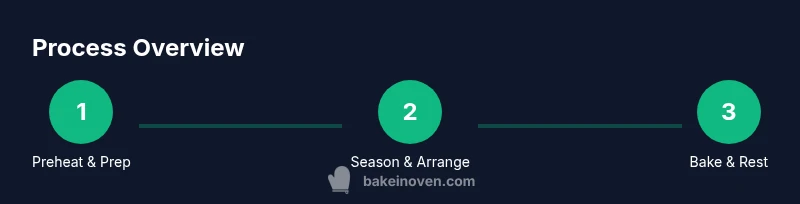
Preheat and prep the pan
Preheat your oven to 425°F (218°C). Line the sheet pan with parchment and pat the thighs dry with paper towels to remove surface moisture that would hinder browning.
Tip: Dry surfaces aid browning and crust formation. - 2
Season the chicken
Lightly brush the thighs with oil, then season generously with salt, pepper, and optional spices (garlic powder, paprika). Ensure even coating on all surfaces.
Tip: Even coverage helps uniform crust across the piece. - 3
Arrange for air exposure
Place thighs on the prepared pan with space between each piece. Use a wire rack if you have one to maximize air circulation.
Tip: Crowding thaws heat and softens the crust; airflow is key. - 4
Bake and monitor doneness
Roast for 20-25 minutes, then check internal temperature. Bone-in thighs may require a bit more time; plan for 34-40 minutes if needed. Finish under a quick broil for extra crisp if desired.
Tip: Use a thermometer to hit 165°F (74°C) in the thickest part. - 5
Rest before serving
Remove from the oven and let the thighs rest 5-10 minutes. Resting redistributes juices and improves tenderness.
Tip: Rest is often the difference between juicy and dry meat. - 6
Finish with a flavor boost
Optionally drizzle a citrus squeeze or glaze in the last 2 minutes to brighten the dish without risking burning sugar.
Tip: Keep a close eye during the final minutes to avoid scorching. - 7
Serve or store
Serve immediately for best texture. Leftovers store in airtight containers in the fridge for 3-4 days or freeze for longer storage.
Tip: Portion for easy meal prep and quick reheating.
Frequently Asked Questions
Should I bake bone-in or boneless chicken thighs?
Both work well. Bone-in thighs stay juicier and require a few extra minutes, while boneless thighs cook faster and can be more convenient for quick meals. Use a thermometer to confirm doneness for either cut.
Bone-in thighs stay juicier and need a little more time; boneless cook faster. Use a thermometer to confirm they’re done.
What internal temperature should chicken thighs reach?
Aim for 165°F (74°C) in the thickest part of the thigh. Temperature control is the reliable way to avoid undercooked or overcooked meat.
Target 165 degrees in the thickest part to ensure safety and juiciness.
Can I bake chicken thighs from frozen?
Cooking from frozen is not ideal for even doneness. Thaw the thighs for more predictable browning and texture, or plan for longer bake times if you must cook from frozen.
Cooking from frozen isn’t ideal; thaw for best results, or expect longer bake times.
How can I get extra crispy skin every time?
Pat dry, use high heat, and space the pieces. If needed, finish with a 1-2 minute broil. Avoid overcrowding to prevent steaming.
Dry, high heat, and space are the keys to crispy skin; broil briefly if you like extra crisp.
What if I don’t have a rack?
Line the pan with parchment and place thighs with space between them. A rack is helpful but not mandatory for good results.
No rack? Use parchment, space the pieces well, and you’ll still get good browning.
Watch Video
Key Takeaways
- Pat thighs dry to promote crisp skin.
- Space thighs evenly for uniform browning.
- Check internal temp with a thermometer.
- Rest 5-10 minutes before serving.