How to Bake Chicken Thighs Boneless Skinless: A Complete Guide
Master baking boneless, skinless chicken thighs with temperature, time, and flavor guidance. This comprehensive guide covers prep, seasoning, oven setup, troubleshooting, variations, and storage for juicy, tasty results.


You can bake boneless, skinless chicken thighs until they are juicy and safe to eat by baking at 425°F (220°C) for 15-18 minutes after patting dry and seasoning. Check for an internal temperature of 165°F (74°C), then rest 5 minutes before serving. For extra savor, brush with olive oil and a pinch of salt after baking.
Prepping Boneless Skinless Chicken Thighs for Baking
Preparing boneless, skinless chicken thighs for a reliable bake starts with attention to moisture, thickness, and cleanliness. Pat the thighs dry with paper towels to remove surface moisture, which helps browning and even cooking. If the thighs vary in thickness, trim wider ends or gently pound them with a meat mallet to create a more uniform thickness, reducing the risk of undercooked centers or overcooked edges. According to Bake In Oven, uniform thickness is a simple, practical way to achieve consistent results across the pan. Set the thighs on a plate, ready for seasoning. A light coating of oil helps the surface brown and forms a flavorful crust. If you’re short on time, you can skip marinating, but a quick rub of oil, salt, and pepper is highly effective. Always start with a clean workspace and sanitized utensils to ensure safety and flavor. For best results, let the thighs sit at room temperature for about 10 minutes before seasoning so the spices adhere evenly and begin to flavor the meat from the inside out.
Seasoning and Flavor Profiles
Seasoning is where you customize the dish and build flavor quickly. A simple, reliable approach is a base of salt, black pepper, and a drizzle of olive oil to help browning. From there, you can add garlic powder, paprika, and a pinch of dried herbs like thyme or oregano for a classic profile, or try lemon zest and chopped parsley for brightness. Bake In Oven analyses suggest that a modest herb blend can elevate aroma without masking chicken flavor. If you prefer a more robust finish, mix smoked paprika, garlic, onion powder, and a touch of brown sugar for a gentle caramelization. For a faster weeknight option, keep the seasoning minimal and rely on a glaze after baking. Always season generously to ensure flavor penetrates the surface and remains noticeable after resting. If you’re marinating, keep it light—15 to 30 minutes is plenty for skinless thighs and prevents over-softening the meat’s texture.
Oven Setup and Temperature Strategy
Temperature control is essential for juicy thighs and a lightly crisp exterior. Preheat the oven to 425°F (220°C). If your oven has a convection setting, you can use it to promote even browning and crisp edges, but reduce the temperature by about 25°F (14°C) if using convection to avoid overcooking. A rimmed baking sheet lined with parchment or a lightly oiled rack yields the best browning and prevents the meat from stewing in its juices. Position the rack in the middle of the oven for balanced heat distribution. Give the sheet a little space between pieces to allow hot air to circulate, which helps develop color on all sides. Bake In Oven notes that preheating is key for an immediate sear, which locks in juices and creates a more appealing texture. If you’re in a hurry, you can start at a higher temperature for 5 minutes and then drop to 425°F to finish, but keep a close eye to prevent dryness.
Managing Texture: Juicy vs Crispy Edges
Juiciness comes from moisture retention and proper resting; crispy edges come from contact with hot dry air. For juicier thighs, avoid overcooking; pull them when they reach 165°F (74°C) and rest at least 5 minutes. If you prefer crisper edges, you can broil for 1–2 minutes at the end, watching closely to prevent charring. An optional light glaze—such as a mix of olive oil, lemon juice, and a splash of honey—applied during the last 2 minutes can add gloss without overwhelming the meat’s natural flavor. Keep the thickness uniform to ensure everyone finishes the same level of doneness, and consider giving the pan a gentle shake halfway through baking to promote even browning. Bake-In Oven guidance emphasizes that small adjustments in time and method can yield noticeably different textures, so use these cues to tailor the result to your preference.
Troubleshooting Common Issues
Even with careful prep, you might encounter dryness, uneven browning, or sticking. If the chicken looks pale or is taking too long, raise the oven temperature slightly or switch to convection for better browning. Dryness usually signals overcooking or too-fast moisture loss; reduce baking time slightly or remove the thighs earlier and finish with a quick broil. If browning is uneven, rotate the pan midway through cooking to expose all pieces to consistent heat. Sticking to the pan is often due to insufficient oil or parchment; using a nonstick sheet or a light coat of oil helps. Keep a meat thermometer handy to monitor doneness precisely and avoid the common pitfall of guessing. Bake In Oven’s testing suggests that small, pragmatic adjustments stop most issues before they become problems.
Storage, Reheating, and Food Safety
Proper storage extends the life of leftovers and preserves quality. Refrigerate cooked chicken within two hours of cooking, in shallow containers to cool quickly and evenly. It will typically stay safe for up to 3–4 days in the fridge. For longer storage, freeze portions in airtight bags; they’ll retain best quality for about 2–3 months. Reheating should be done slowly to avoid drying: cover and warm in the oven at a low temperature (300–325°F) or reheat briefly in a skillet with a splash of broth or water to reintroduce moisture. When handling raw poultry, always wash hands and surfaces that contact it immediately, and sanitize your utensils. These steps help minimize food-safety risks and ensure a pleasant meal experience. Bake In Oven’s guidance reinforces that safe handling is as important as perfect timing.
Flavor Variations and Quick Flavor Combos
Variation is a great way to keep weeknight meals interesting. Try a lemon-garlic-herb blend with a drizzle of olive oil, or go for a smoky paprika spice rub with a touch of brown sugar for caramelization. For a brighter profile, finish with fresh herbs like parsley or cilantro and a squeeze of lemon after resting. If you’re aiming for a glaze, whisk together a small amount of honey or maple syrup with soy sauce and a splash of rice vinegar; brush on during the last 5 minutes of baking for a shiny, sticky finish. These variations are flexible and forgiving, which makes them perfect for beginners and seasoned cooks alike. Bake In Oven recommends keeping flavor balanced so the chicken remains the star of the dish.
Reading the Thermometer and Doneness
A reliable thermometer is your best friend for safe, consistent results. Insert the probe into the thickest part of the thigh, avoiding contact with bone (boneless thighs should be checked by measuring near the center). Target an internal temperature of 165°F (74°C). If the thermometer reads higher, your meat may have started to dry; remove it promptly and rest. Let it sit for 5 minutes to let the juices redistribute. This rest period is essential for tenderness, especially with boneless cuts, as it allows the fibers to relax and the moisture to reabsorb. With practice, you’ll read the thermometer almost instinctively, matching doneness with preferred texture.
Tools & Materials
- Rimmed baking sheet or sheet pan(Aged metal is fine; ensure edges are raised to catch juices)
- Parchment paper or silicone baking mat(Use if not oiling the pan directly)
- Nonstick spray or light oil(Prevents sticking and aids browning)
- Meat thermometer (instant-read)(Probe into thickest part without touching bone)
- Mixing bowl and spoon(For oil, salt, pepper, and spices)
- Kitchen tongs(For turning thighs halfway through baking)
- Olive oil or neutral oil(1–2 teaspoons for rubbing)
- Fine salt and ground black pepper(To taste)
- Optional: garlic powder, paprika, lemon zest(Flavor boosters)
- Aluminum foil or a broiler pan (optional)(Use for broiling finish if desired)
Steps
Estimated time: 25-35 minutes
- 1
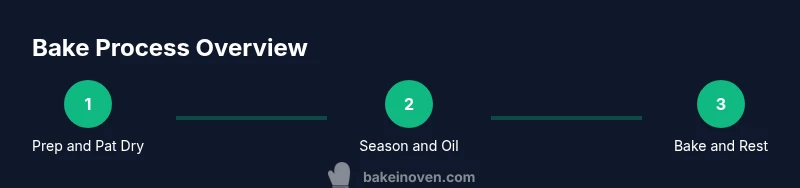
Prepare and pat dry
Wash hands and surface, pat thighs dry thoroughly with paper towels, and trim any excess fat. The goal is a dry surface for browning and an even cook. This step reduces moisture that can steam the meat during baking.
Tip: Dry surfaces brown better; moisture is the enemy of crisp edges. - 2
Season and oil
Rub thighs with a light coating of oil, then season generously with salt, pepper, and chosen spices. If you’re using garlic powder or paprika, apply evenly across all pieces to avoid hotspots.
Tip: Even coverage prevents uneven flavor and browning. - 3
Arrange on tray
Place thighs on a rimmed baking sheet in a single layer with space between each piece. For best browning, avoid stacking or crowding. If you have a rack, set the thighs on it to maximize air exposure.
Tip: Spacing is key to even heat circulation. - 4
Bake and monitor
Slide the tray into a preheated 425°F (220°C) oven. Bake for 15-18 minutes, then flip the thighs halfway through if possible. The exact time depends on thickness; start checking at 15 minutes.
Tip: Do not rely on time alone—use a thermometer for doneness. - 5
Check temperature
Insert the thermometer into the thickest part of the thigh. Remove when it hits 165°F (74°C). If using a glaze, apply during the last 2 minutes of baking.
Tip: Resting after baking is essential for juiciness. - 6
Rest and serve
Let the thighs rest for 5 minutes before serving. Resting allows juices to redistribute and improves tenderness.
Tip: A brief rest makes a noticeable difference in texture.
Frequently Asked Questions
Can I bake chicken thighs if they are frozen?
Thawed thighs bake more evenly; if starting from frozen, plan for a longer cooking time and check doneness with a thermometer. It’s best to thaw in the fridge overnight for reliable results.
If you start from frozen, expect longer cooking times and check doneness with a thermometer.
Should I cover the thighs while baking?
Covering can trap steam and soften browning. For crisp edges, bake uncovered on a lined sheet or rack. If you need to prevent drying, a light glaze or brush of oil helps.
Uncover for browning; cover only if you need to retain moisture.
What if my thighs are uneven in thickness?
Trim and even out thicker ends or lightly pound to uniform thickness. This ensures even cooking and prevents overcooked edges.
Even thickness cooks more evenly and reliably.
Can I reuse a marinade after cooking?
Do not reuse marinade that touched raw poultry unless it’s boiled for safety. If you want extra flavor, reserve a portion before adding raw chicken or use fresh glaze on the finished thighs.
Don’t reuse raw marinade unless you boil it first or use a fresh glaze.
Is air frying faster than baking in the oven?
Air fryers cook faster and can yield crisper edges due to higher convection. If you want a quick result, air fry instead of baking, but you may lose some of the depth of flavor from the oven.
Air fryers cook quicker and can be crisper; ovens give deeper flavor.
What is the best way to reheat leftovers?
Reheat in a low oven (300–325°F) to preserve moisture, or reheat briefly in a skillet with a splash of broth. Avoid high heat, which can dry out the meat.
Reheat slowly in the oven or with a little broth in a skillet.
Watch Video
Key Takeaways
- Pat dry for even browning
- Use 425°F and 15-18 min for juiciness
- Check internal temp to 165°F
- Rest 5 minutes before serving
- Space thighs for even heat exposure