How to Bake Cod: A Step-by-Step Guide
Master how to bake cod to flaky, moist perfection with a simple oven method. Learn fillet selection, seasoning, doneness testing, and serving ideas for a reliable weeknight win.


Goal: Bake cod to flaky, moist perfection using a simple, reliable oven method. You’ll pick fresh or thawed cod fillets, season lightly, and bake at a moderate heat until the fish flakes with a gentle press. This approach suits plain cod and cod with a quick herb glaze.
Why Cod Is a Great Choice for Weeknight Dinners
Cod is a lean, mild-flavored white fish that cooks quickly in the oven, making it a reliable choice when time is short. Its firm, flaky texture responds well to gentle heat and light seasoning. According to Bake In Oven, cod's forgiving nature helps beginners nail a succulent bake without heavy marinades. This makes cod ideal for weeknight dinners, family meals, and quick weeknight prep. You can bake cod fillets straight from the fridge or thawed from frozen, and still achieve even doneness with a simple technique. In this guide, you’ll learn how to bake cod with practical steps, from choosing the right fillet to testing its doneness and serving with bright accompaniments.
Selecting the Right Cod Fillet: Thickness, Skin, and Freshness
Cod fillets vary in thickness from about 1/2 inch to 1 inch (12-25 mm). For even cooking, choose fillets that are similar in thickness and use a single layer on the baking sheet. Skin-on fillets protect the flesh during baking and can be removed after cooking if desired; skinless fillets cook a bit faster. Fresh cod has a mild, oceanic aroma; frozen cod should be thawed properly (in the fridge or under cold water) before cooking. When in doubt, look for firm flesh that springs back when touched rather than looking mushy. These factors influence cook time and texture, so adjust accordingly to avoid dry spots.
Preparing Flavor Without Overpowering the Cod
Cod has a delicate flavor, so light seasoning is best. Start with kosher salt and a grind of black pepper, then add a small amount of lemon zest, garlic powder, or fresh herbs if desired. A drizzle of olive oil or a light dab of melted butter helps the surface brown and keeps the flesh moist. If you want a glaze, keep it thin and brush it on during the last few minutes of baking to prevent scorching. Avoid heavy sauces that mask the cod’s natural sweetness.
Prepping Your Tools and Workspace
Line a baking sheet with parchment paper or a silicone mat for easy cleanup. Preheat the oven to 425°F (218°C) and position the rack in the middle. Have optional tools ready: a digital thermometer, a small pastry brush, and a spatula for lifting fillets carefully. A shallow baking dish can be used for citrus-butter baste, but a sheet pan is simplest for even browning. Clear, organized prep reduces chances of overcooking.
Temperature, Time, and Doneness: How to Judge Doneness
For most cod fillets 1/2 to 1 inch thick, bake at 425°F (218°C) for about 8–12 minutes per inch of thickness. Thicker fillets may need up to 12–14 minutes. The flesh should be opaque and separate into flakes with a gentle press. If using a thermometer, target an internal temperature around 130–135°F (54–57°C) for tender, moist cod; it will rise slightly as it rests. Use a small amount of time and test early to avoid drying out.
Variations: Herb Butter, Lemon-Caper, Garlic-Butter
Try a simple herb butter on top of the hot cod for extra richness. Mix softened butter with parsley, lemon zest, and a pinch of salt. For a brighter profile, whisk in lemon juice or capers. Garlic butter brushed on near the finish adds aroma without overpowering the fish. Each variation preserves cod's light texture while adding flavor without heavy sauces.
Pairings: Sides, Sauces, and Plating Ideas
Serve cod with quick sides: roasted vegetables, fluffy quinoa, or a light green salad. A bright citrus sauce or a dollop of herb butter complements the fish well. For a complete plate, add a starch like baby potatoes or rice and a crisp vegetable side. Plating with lemon wedges and fresh herbs enhances color and aroma.
Troubleshooting Common Issues
If cod looks dry or tastes bland, consider a rested finish, a light glaze, or a few extra minutes only on thicker fillets. Overcooked cod becomes dry and stringy; start with less time and test often. If fillets stick to the parchment, gently loosen with a thin spatula and use a tiny amount of oil on the pan. For a lightly crusted option, brush on a very thin crust of breadcrumbs mixed with herbs in the last few minutes.
Bake In Oven Verdict: Simple, Dependable, and Flavorful
Bake In Oven's guidance emphasizes reliability and simplicity. The technique outlined here produces succulent cod with minimal effort, using parchment to prevent sticking and moderate heat to preserve moisture. The Bake In Oven team recommends starting with a 425°F bake for most fillets and adjusting by thickness. With this approach, you’ll consistently achieve flaky, tender cod that shines with bright citrus or herb notes.
Pro Tips for Consistent Results
Consistency comes from consistent thickness, preheating, and timing. Use parchment, pat fillets dry, and keep seasonings light. If your oven runs hot, reduce the temperature by 25°F and extend the bake time slightly. For meal-prep, bake cod in larger batches and reheat covered at a lower temperature to avoid drying out. Keep your knife sharp for precise portions.
Safety and Storage
Store leftover baked cod in an airtight container in the refrigerator for up to 2 days. Reheat gently in an oven at a low temperature or in a covered dish with a splash of broth or water to maintain moisture. Do not leave cod at room temperature for more than 2 hours. If you want to freeze, freeze cooked cod in a freezer-safe bag for up to 2 months; reheat slowly to preserve texture.
What’s Next: Try This Quick Cod Bake Tonight
With these steps, you can bake cod confidently and adapt flavors to your family’s preferences. If you want more complexity, experiment with different herbs, citrus, or a light breadcrumb crust. For broader cooking skills, consider applying the same method to similar white fish like tilapia or haddock, adjusting times as needed.
Tools & Materials
- Cod fillets (6-8 oz each, skin-on or skinless)(Choose fillets around 1/2–1 inch thick for even cooking)
- Parchment paper or silicone baking mat(Line the baking sheet for easy cleanup)
- Olive oil or melted butter(Lightly brush on the flesh if desired)
- Kosher salt(Season lightly)
- Freshly ground black pepper(To taste)
- Lemon wedges (optional)(For serving)
- Baking sheet(For even heat distribution)
- Digital thermometer (optional)(Check internal temp near 130-135°F)
Steps
Estimated time: 30-40 minutes
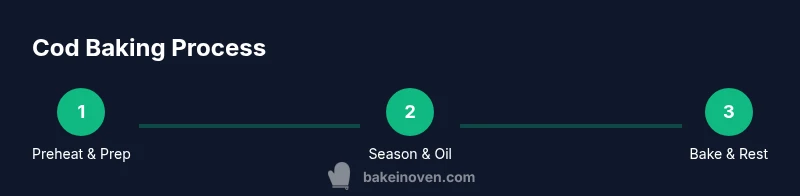
- 1
Preheat oven and prep parchment
Preheat the oven to 425°F (218°C). Line a baking sheet with parchment paper or a silicone mat to prevent sticking and simplify cleanup. This setup promotes even browning and easy removal of the fillets.
Tip: Using parchment prevents sticking and makes cleanup quick. - 2
Pat cod dry and assess thickness
Pat fillets dry with a clean towel to remove surface moisture. Arrange fillets in a single layer with similar thickness so they cook evenly.
Tip: Moisture on the surface can steam the fish instead of browning. - 3
Season lightly
Season fillets with a small amount of kosher salt and black pepper. Add optional lemon zest or herbs if you like, keeping flavors gentle to let the cod shine.
Tip: Season evenly on both sides for uniform flavor. - 4
Apply oil or butter
Brush a light coat of olive oil or melted butter over the fillets to encourage browning and moisture retention.
Tip: Avoid heavy coatings that can mask delicate cod flavor. - 5
Bake until just opaque
Place fillets in the oven and bake for about 8–12 minutes per inch of thickness. Target an internal range of 130–135°F (54–57°C) for tenderness.
Tip: Start checking early; cod finishes quickly and carries over heat after removal. - 6
Test doneness and rest
If the flesh flakes easily and is opaque, remove from heat. Let cod rest 2 minutes to redistribute juices.
Tip: Resting improves texture by allowing carryover cooking to settle. - 7
Optional glaze or crust finish
For a quick crust, top with a thin breadcrumb-herb mix in the last 2–3 minutes, or brush with a light glaze and monitor closely.
Tip: Keep glaze thin to preserve moisture and prevent burning.
Frequently Asked Questions
What temperature should cod be baked at?
Bake cod at 425°F (218°C) for most fillets, adjusting time for thickness. The flesh should be opaque and flake easily when done.
Bake cod at 425°F for most fillets; look for opaque, flaky flesh to know it’s done.
Can cod be baked from frozen?
Yes, you can bake cod from frozen, but expect longer cooking times. Use a thermometer to avoid undercooking and check doneness more often.
Yes, you can bake from frozen, just add time and check doneness with a thermometer.
Is cod done when it flakes?
Flaking is a good doneness cue, but confirm with a temperature reading to avoid under or overcooking.
Cod flakes are a sign, but check the temp for best results.
What sides pair well with baked cod?
Pair cod with roasted vegetables, a light grain like quinoa or rice, and a bright citrus sauce or herb butter.
Nice sides include roasted veggies and lemony herbs.
Can I bake cod with skin on?
Yes, skin-on fillets can stay moist and hold together during baking. Remove skin after cooking if desired.
Skin-on helps moisture; you can remove it after cooking if you prefer.
How can I prevent cod from sticking?
Line the pan with parchment, pat the fillets dry, and brush lightly with oil to reduce sticking.
Line with parchment and pat dry to prevent sticking.
Watch Video
Key Takeaways
- Bake cod at 425°F for reliable flaky texture
- Line sheets with parchment to prevent sticking
- Season gently to preserve delicate cod flavor
- Check doneness early to avoid drying out
- Experiment with herb or citrus variations for variety