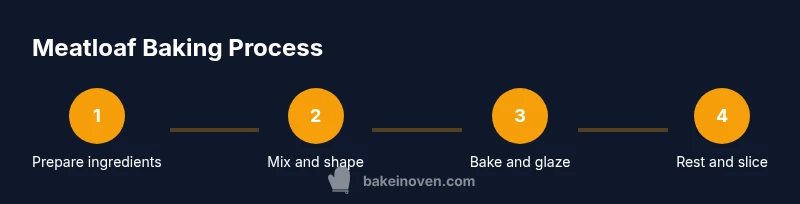
How to Bake Meatloaf: A Step-by-Step Guide
Learn how to bake meatloaf with a reliable method for a moist, flavorful loaf. This guide covers ingredients, mixing, baking temps, glaze, and expert tips from Bake In Oven.


By following this guide, you will bake a juicy, reliable meatloaf with a balanced mix of beef, binding, and moisture, using a simple glaze for color. You'll learn the best pan setup, oven temperature, and doneness checks to ensure safety and flavor without drying out. This approach works for regular weeknight dinners and batch prep.
How to Bake Meatloaf: Why This Method Works
How to bake meatloaf properly starts with fundamental choices: fat balance, careful mixing, and a reliable baking plan. According to Bake In Oven, the best results come from using an 80/20 ground beef blend, binding with eggs and breadcrumbs, and supporting moisture with a splash of milk. This approach yields a loaf that stays juicy and cooks evenly, with a pleasing crust. The method scales for family dinners or meal-prep batches, and you can adapt the glaze to your taste without sacrificing texture. When you master this process, you’ll find that a well-made meatloaf is not just comforting, but also efficient after-work cooking. As you read, you’ll see practical tips that help you avoid common pitfalls like overworking the meat or undercooking the center.
Classic Meatloaf Formula: What Goes In
A great meatloaf starts with the right blend of fat, protein, and binding. A common base is ground beef with a moderate fat ratio (approximately 80/20) for juiciness. Bind with eggs and breadcrumbs (or oats) to help the loaf hold together. Add milk or a dairy-free alternative to keep moisture, and season generously with onions, garlic, herbs, salt, and pepper. Optional additions like grated cheese, chopped bell pepper, or a splash of Worcestershire sauce can elevate depth of flavor. The key is balance: too much binder can make the loaf dense, while too little moisture can leave it dry. Bake until the internal temperature reaches a safe level, then rest before slicing for even texture. Bake In Oven’s approach emphasizes practical, kitchen-tested ratios that work with everyday pantry staples.
Prep: Mixing, Binding, and Safety
Gentle handling is crucial when combining meats with binding agents. Overmixing compacts the loaf and creates a dense crumb. In a large bowl, whisk eggs with milk, then fold in breadcrumbs and seasonings. Add the meat last and mix just until all ingredients are evenly distributed. For food safety, keep raw meat away from other ingredients and wash hands and surfaces frequently. The goal is a cohesive mixture that holds its shape without becoming sappy or crumbly. If you notice moisture pooling in the bowl, it’s a sign you may have added too much liquid or overmixed.
Shape, Pan, and Baking: Getting Even Doneness
The loaf's shape influences cooking speed and exterior crust. A traditional rectangular loaf fits a standard loaf pan, but you can bake free on a lined sheet pan for crisper edges. If using a loaf pan, lightly oil the pan or line with parchment to aid removal. For sheet-pan methods, use a rack or crumpled parchment to elevate the loaf slightly so air can circulate underneath. Preheat the oven to 350°F (175°C). The loaf should bake evenly with a caramelized glaze forming on top as it cooks. Turn the loaf halfway through baking if you’re not using a raised rack to improve uniform browning.
Basting and Glaze: Flavor, Juiciness, and Color
A glaze not only adds color but also helps lock in moisture. A simple mixture of ketchup, brown sugar or maple, and a touch of mustard or Worcestershire creates a shimmering, flavorful crust. Brush the glaze on during the final 15 minutes of baking so it sets without burning. If you prefer a glossy finish without extra sweetness, use a tomato paste-based glaze with herbs. The glaze should complement the loaf rather than overwhelm it, so start with a light coat and add more if desired.
Internal Temperature and Doneness: When is Meatloaf Safe?
Use a reliable meat thermometer to check the center of the loaf. Bake until the internal temperature reaches 160°F (71°C); remove from the oven and let the loaf rest for 10-15 minutes. Resting allows juices to redistribute, which improves sliceability and flavor. Keep in mind that the temperature can climb a few degrees while resting, so aim for 160°F as your target.
Make-Ahead and Storage: Reheating Tips
Meatloaf stores well in the fridge for up to 4 days and can be frozen for longer storage. To reheat, slice and warm gently in the oven or microwave until heated through. Reheating in the oven at a low temperature helps retain moisture and crust. If you’re planning to serve multiple meals, consider making a double batch and freezing portions for later use.
Common Mistakes and How to Fix Them
Common pitfalls include overmixing, under-seasoning, and underbaking the loaf. To fix, mix just until combined, taste the mixture for salt balance before shaping, and bake the loaf until a thermometer reads 160°F in the center. If the crust is too dark, tent with foil for the final minutes of baking. If the loaf is dense, consider adding a small amount of breadcrumbs or oats to rebind and improve texture.
Tools & Materials
- Oven (preheated to 350°F / 175°C)(Ensure it’s fully heated before baking for even cooking.)
- Loaf pan or rimmed baking sheet(Loaf pan yields uniform shape; sheet pan yields crisper edges.)
- Mixing bowls (at least 2)(One for wet ingredients, one for dry.)
- Measuring cups and spoons(Accurate measurements for consistency.)
- Mixing spoon or spatula(Gentle folding to avoid overworking meat.)
- Knife and cutting board(Chop onion/garlic finely for even distribution.)
- Whisk(Blend eggs and milk smoothly.)
- Meat thermometer(Check center temperature (target 160°F).)
- Parchment paper or foil(Line pan for easy removal and cleanup.)
- Basting brush (optional)(Use for glaze application in final minutes.)
Steps
Estimated time: 60-75 minutes
- 1
Preheat and prep
Preheat the oven to 350°F (175°C). Lightly line a loaf pan or set a lined sheet pan ready for shaping the loaf.
Tip: Line with parchment for easy release and cleaner cleanup. - 2
Whisk wet ingredients
In a large bowl, whisk eggs with milk until smooth. This adds moisture and helps bind the loaf.
Tip: Whisking well helps distribute moisture evenly. - 3
Combine dry and binders
Fold in breadcrumbs or oats, onions, garlic, salt, and pepper. This builds the loaf’s texture and flavor backbone.
Tip: Add seasonings gradually and taste a small amount if possible. - 4
Incorporate meat gently
Add ground beef (80/20 recommended) and fold just until combined. Overworking creates a dense loaf.
Tip: Use a light touch; the goal is cohesion, not aeration. - 5
Shape the loaf
Shape into a uniform log about 9x5 inches on the lined pan. Non-stick helps with even browning.
Tip: Center the loaf for consistent heat exposure. - 6
Bake and glaze
Bake for about 45-60 minutes. Brush with glaze in the last 15 minutes for color and extra moisture.
Tip: glaze evenly but don’t oversaturate to avoid soggy edges. - 7
Check doneness and rest
Insert thermometer into center; target 160°F. Rest 10-15 minutes before slicing to redistribute juices.
Tip: Resting improves sliceability and flavor per Bake In Oven guidance.
Frequently Asked Questions
Can I bake meatloaf without a loaf pan?
Yes. Bake on a parchment-lined sheet pan or a lightly oiled rack-set pan to allow air to circulate and edges to crisp. Shape the loaf by hand for even thickness.
Yes. You can bake it on a parchment-lined sheet pan if you don’t have a loaf pan; shape it evenly for consistent doneness.
What is the safe internal temperature for meatloaf?
Aim for 160°F in the center with a meat thermometer. Let it rest to reach a steady temperature and improve juiciness.
Target 160 degrees Fahrenheit in the center, then rest before slicing.
Milk or water in meatloaf?
Milk adds richness and moisture; water keeps things leaner. Use dairy if possible for flavor, or a non-dairy option if needed.
Milk adds richness; water works in a pinch—choose based on your dietary needs.
Can I freeze meatloaf before or after baking?
Yes. Freeze unbaked loaf on a sheet, then wrap tightly; or freeze baked slices for quick meals. Thaw before reheating for best texture.
You can freeze either raw or baked meatloaf, then reheat thoroughly.
How can I keep meatloaf from drying out?
Choose an 80/20 beef blend, add eggs and breadcrumbs for binding, and avoid overmixing. The glaze in the final minutes also helps retain moisture.
Maintain moisture by using the right fat ratio and not overmixing; glaze helps too.
What pan setup works best for even cooking?
Loaf pans give uniform shape; sheet pans with parchment provide a crispier exterior. Either method works when loaf is shaped evenly.
A loaf pan gives uniform shape; sheet pan gives crisper edges.
Watch Video
Key Takeaways
- Use 80/20 beef for moisture and flavor.
- Mix gently to avoid a dense loaf.
- Bake to 160°F and rest before slicing.
- Glaze in the final minutes for color and moisture.
- Prep and bake with parchment for easy cleanup.