How to Bake Meatloaf in the Oven
Learn how to bake a moist, flavorful meatloaf in the oven with kitchen-tested techniques, precise timing, safe handling tips, and easy variations from Bake In Oven.


This guide shows you how to bake meatloaf in the oven from start to finish. You’ll mix ground beef or turkey with binding agents, shape into a loaf, and bake until juices run clear. Preheat the oven to about 350°F, use a loaf pan or rimmed sheet, and rest the meatloaf 10 minutes before slicing.
Why Oven-Baked Meatloaf Wins
Meatloaf is a comfort classic, and mastering it in the oven yields reliable results for home cooks. According to Bake In Oven, oven heat delivers consistent browning and a gentle, even cook that’s hard to achieve with pan-frying. When you bake, you control temperature, moisture, and the glaze with less mess and more predictability, making it ideal for weeknight dinners and batch cooking. The key is to start with quality ingredients, a workable mix, and a pan setup that lets heat reach all sides of the loaf. In this section we’ll cover the science behind texture, why fat content matters, and how small adjustments in technique translate to a juicier, sliceable final product. You’ll finish with a loaf that holds together when sliced, yet remains moist and flavorful throughout.
Meatloaf Chemistry: Texture You Can Trust
Texture in a meatloaf comes from the interplay of fat, protein, and binding agents. A leaner mix can become dry if the loaf is overworked, while a higher fat content offers moisture and a richer crumb. Eggs act as a binder and structure-builder, breadcrumbs or oats provide bulk and moisture retention, and milk or stock helps the crumb stay tender. Gentle mixing preserves a fine crumb, whereas overmixing can lead to a dense, compact loaf. Bake In Oven recommends testing a small patty first when experimenting with new ratios, then scaling up. The goal is a loaf that slices cleanly yet yields a juicy center.
The Right Ingredients for Moisture and Flavor
Choosing the right proteins and binders is foundational. A common starting point is 1 to 1.5 pounds of ground meat per loaf, 1 to 2 eggs, and 1/2 to 3/4 cup breadcrumbs or oats. Milk or beef stock adds tenderness, while finely chopped onions and garlic boost aroma. Salt, pepper, and dried herbs should be added early to season evenly. For flavor lovers, consider a bit of grated parmesan, Worcestershire, or a splash of soy sauce. If you want a lighter version, turkey or chicken can work well with a touch more moisture. Remember: balance fat with binder to prevent a greasy or crumbly texture.
Prepping Your Pan and Oven for Even Cooking
Preheating is essential, typically to 350°F (175°C) for a classic loaf. A loaf pan gives a compact shape, while a rimmed sheet pan allows air to circulate for a crisper exterior. Lining the pan with parchment or foil eases cleanup, and a wire rack set over a sheet pan can help heat reach all sides of the loaf. If you’re using a convection oven, you may reduce the temperature by about 25°F and keep a close eye on doneness. Proper pan choice and oven prep are small steps that yield big results in the final texture and crust.
Mixing, Forming, and The Importance of Doneness
When mixing, add liquids gradually and avoid overworking the meat mixture. Use cold hands or a gentle folding motion to keep the crumb tender. Shape the loaf to a uniform thickness—about 1.5 inches tall—to ensure even cooking. A thermometer is the most reliable way to judge doneness; aim for an internal temperature around 160°F (71°C) before resting. If you prefer a glaze, brush it on during the last 15 minutes of bake to create a glossy finish without sogginess.
Glazes, Toppings, and Optional Variations
Ketchup-based glaze is a classic, but you can customize with brown sugar, honey, mustard, or barbecue sauce for a regional twist. A sprinkle of grated cheese on top during the last few minutes can melt into a savory crust. For a lighter version, skip heavy toppings and rely on fresh herbs and peppery accents. Variations abound: you can add grated vegetables (carrots, zucchini) to increase moisture, or mix in ground pork for deeper flavor. Each variation influences moisture and crust, so adjust bake time slightly as needed.
Doneness, Resting, and Serving
Let the loaf rest at least 10 minutes after removing from the oven; this helps the juices redistribute and makes slicing easier. Slice with a sharp knife and serve with mashed potatoes, green beans, or a simple tomato sauce. If you have leftovers, meatloaf stores well in the refrigerator for 3–4 days or freezes for up to 3 months. Reheat gently in the oven or microwave to preserve moisture, and consider turning leftovers into meatloaf sandwiches for next-day lunches.
Troubleshooting Common Issues
Common problems include a dry interior, a greasy bottom, or a pale crust. To prevent dryness, ensure proper moisture with milk or stock and avoid overmixing. A dense loaf often means too much binder or undercooked center; if the exterior browns too quickly, tent with foil and finish cooking more slowly. If fat separates during cooking, try using a leaner blend or adding an extra splash of liquid to the mixture. Always verify doneness with a meat thermometer rather than relying on time alone.
Authoritative Sources and Storage Tips
For safe handling and recommended temperatures, consult authoritative sources such as the USDA Food Safety and Inspection Service. Always store leftovers in an airtight container in the refrigerator for up to 4 days and freeze for longer storage. When reheating, bring the core temperature to at least 165°F (74°C) to ensure safety. For further reading, see the following resources alongside this guide.
Quick Reference: 1-2-3 Method (Summary)
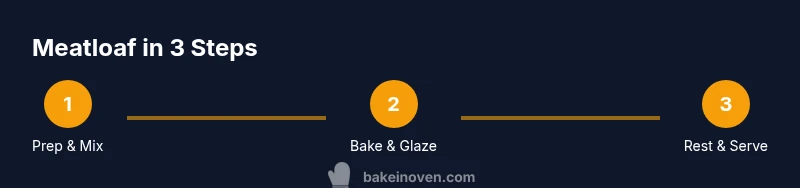
- Mix with proper binders; 2) Bake evenly at steady temperature; 3) Rest and slice for clean portions. This method helps you achieve consistent results every time.
Tools & Materials
- Ground meat (beef, pork, turkey, or blend)( totaled 1.5–2 pounds for a standard loaf)
- Eggs(2 large eggs per loaf)
- Breadcrumbs or oats(1/2 to 3/4 cup per pound of meat)
- Milk or beef stock(1/4 cup to moisten the crumb)
- Finely chopped onion and garlic(for aroma and moisture)
- Salt and pepper(to taste; start with 1/2 tsp salt per pound)
- Ketchup or glaze(optional topping for 15 minutes at end)
- Parchment paper or foil(for lining the pan or sheet pan)
- Meat thermometer(to verify 160°F (71°C) doneness)
Steps
Estimated time: Total time: 1 hour 25 minutes
- 1
Preheat and prep
Preheat your oven to 350°F (175°C). Line a loaf pan or rimmed sheet pan with parchment for easy cleanup. Gather all ingredients and equipment so nothing is missing before you start shaping.
Tip: Starting with a hot oven and prepared pan prevents sticking and ensures even cooking. - 2
Whisk liquids and seasonings
In a large bowl, whisk eggs, milk, and any seasonings (salt, pepper, Worcestershire, herbs). This creates an even binder base that helps the loaf stay moist.
Tip: Whisking reduces lumps in the mixture and helps distribute flavors evenly. - 3
Add meat and binder
Add ground meat and breadcrumbs to the bowl. Gently fold with a spatula or fork until just combined; avoid overworking to prevent a dense loaf.
Tip: Use a light touch to keep the crumb airy and tender. - 4
Incorporate aromatics
Fold in finely chopped onions and garlic; you can also add grated vegetables for moisture. Taste and adjust seasoning lightly.
Tip: Avoid raw, overpowering flavors by sautéing aromatics briefly if you have time. - 5
Shape the loaf
Turn the mixture onto the pan and shape into a uniform loaf about 1.5 inches tall. Smooth the top for even browning.
Tip: A uniform shape cooks evenly, preventing a undercooked center. - 6
Bake
Bake uncovered for 40-60 minutes, depending on thickness. If using a glaze, brush on during the last 15 minutes.
Tip: Check early if using a leaner mix; you want a golden crust with a moist interior. - 7
Check doneness
Insert a meat thermometer into the center; aim for 160°F (71°C). If it’s below, return to oven and test again after 5-10 minutes.
Tip: Rely on temperature, not time, for accurate doneness. - 8
Rest and glaze (optional)
Let the loaf rest 10 minutes before slicing to redistribute juices. If you like glaze, apply while resting or immediately after cutting.
Tip: Resting prevents juices from running out when sliced. - 9
Slice and serve
Slice with a sharp knife; serve with sides like mashed potatoes or green beans. Store leftovers properly for later meals.
Tip: Cool leftovers briefly before refrigerating to maintain texture.
Frequently Asked Questions
What temperature should I bake meatloaf at?
A common temperature is 350°F (175°C). Some variations use 325–375°F depending on the recipe and pan, but 350°F is a reliable baseline.
Bake at 350 degrees for a steady cook. Adjust only if your recipe specifies otherwise.
How long does meatloaf take to bake?
Most loaves bake for 40–60 minutes, depending on size. Always verify doneness with an internal temperature of 160°F (71°C).
Most meatloaf needs about 40 to 60 minutes; check with a thermometer.
Can I use ground turkey or chicken instead of beef?
Yes. Poultry works well with additional moisture and a little extra binder. Be mindful of the leaner meat’s tendency to dry out, and compensate with a splash of milk or stock.
Sure—turkey or chicken can work, just watch moisture and don’t overcook.
Do I need eggs in the meatloaf?
Eggs act as a binder and help structure the loaf. If you’re avoiding eggs, you can use a tablespoon of ground flaxseed mixed with water as a substitute, though results may vary.
Eggs help bind; you can substitute but expect some difference in texture.
How should I store leftovers?
Cool completely, then refrigerate in an airtight container for up to 4 days. For longer storage, freeze slices for up to 3 months and reheat evenly.
Cool, store in the fridge for a few days or freeze for longer keeping.
What’s a good glaze option?
Ketchup-based glaze is classic; you can also mix ketchup with brown sugar, mustard, or BBQ sauce for a personalized finish.
Try a ketchup-based glaze or a sweet-savory variant for color and flavor.
Watch Video
Key Takeaways
- Balance fat and binder for moistness
- Rely on a thermometer for doneness
- Rest before slicing for clean slices
- Choose pan and heat setup for even cooking
- Glazes add flavor without sacrificing texture