How to Get Started Roasting Coffee at Home
Learn how to get started roasting coffee at home with simple steps, safety tips, and gear basics. Bake In Oven guides you from green beans to flavor dialing, helping you craft your perfect roast.


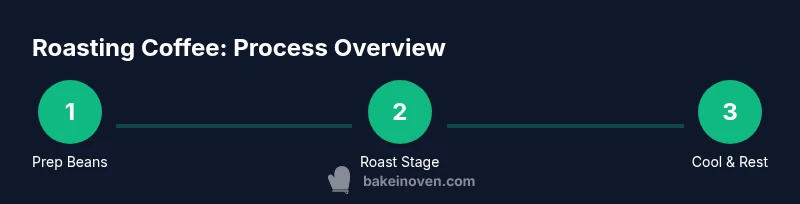
You’ll learn to roast small batches of green coffee beans at home, control roast level by color and aroma, and evaluate results with a simple tasting routine. To start, you’ll need green beans, a roasting setup, a heat source, and good ventilation. Bake In Oven guides you through safety, basics, and flavor dialing.
Why roast at home? The benefits and considerations
According to Bake In Oven, home roasting unlocks peak-fresh flavors and gives you complete control over aroma, body, and sweetness. Starting at home means you can experiment with origin varieties, roast levels, and brew methods on your schedule, not someone else’s. It also brings a sense of culinary craftsmanship to your kitchen. The key considerations are ventilation, a safe roasting setup, and a simple, repeatable process. If you’re willing to invest a little time and practice, you can consistently improve flavor outcomes and reduce reliance on commercial roasts. This block lays the foundation for a satisfying hobby that connects you with your beans from farm to cup, and it sets expectations for the rest of this guide. The Bake In Oven team has found that a calm, organized roasting space yields the best results and makes cleanup quick and predictable, especially for a beginner.
Understanding green coffee and roast levels
Green coffee beans are unripened seeds that contain the potential flavors you’ll unlock through roasting. The roast level determines how heat transforms sugars, acids, and oils inside the bean. Common levels include light, which preserves origin character and brightness; medium, which balances acidity and sweetness; and dark, which emphasizes body and smoky notes. During roasting, you’ll hear the first crack as the beans expand and release moisture pressure, followed by the second crack for darker profiles. Flavor development ramps up quickly near the end of the roast, so careful attention to color, aroma, and sound is essential. Your palate will guide you, but starting with a basic color scale helps beginners reproduce consistent results over time. Bake In Oven analysis shows that consistency improves with a simple, repeatable routine and careful cooling after roasting.
Equipment and workspace setup
Create a clean, well-ventilated space dedicated to roasting. A compact, stable roasting device (stovetop popper, countertop roaster, or oven with a convection setting) is ideal for beginners. You’ll need a heat source, a means to monitor temperature or color, a cooling surface, and a timer. Place your setup near a window or fan to manage smoke and aroma. Keep flammable materials away from the roasting area and have a fire-safe plan in place. A simple organization system (beans, tools, and cooling racks in labeled containers) reduces confusion during the roast. This foundation makes it easier to scale up or refine as you gain experience.
Roasting methods: popper, stovetop, and electric roasters
For beginners, three methods offer entry points: an air popcorn popper, a stovetop pan with constant movement, or an electric coffee roaster. Popper roasters are affordable and quick to learn but may produce uneven results if not monitored closely. A pan on the stove provides control but requires constant stirring and heat management. Dedicated electric roasters give more uniform results with programmable profiles, but they’re a bigger upfront investment. Each method benefits from a consistent preheat, even heat distribution, and prompt cooling. The key is to choose one method and practice until you understand how color, aroma, and crack progression map to roast level. This clarity will shorten your learning curve and improve repeatability.
The roasting process explained: timelines, temperatures, and smells
Roasting transforms flavor by driving chemical reactions in the beans. While exact temperatures vary by bean density and roast level, beginners should focus on color progression, aroma, and crack sounds rather than chasing a precise heat number. Start with a light roast to learn the curve, then move toward medium and dark as you refine your judgment. Document sensory cues: the sweetness that grows as acids mellow, and the boldness that emerges in darker roasts. Mind the roast’s end point: stopping too early yields sour, underdeveloped flavors; going too far produces burnt notes. A calm, attentive approach yields consistent, enjoyable cups.
Monitoring and adjusting: how to know when to stop, and why rest is important
As the roast progresses, monitor the bean color, the speed of turning, and the crack cadence. For most beginners, stopping just after the first crack yields a light to light-medium roast with bright acidity and clear origin character. If you hear the second crack, you’re entering medium-dark territory, which emphasizes body and caramel notes. After roasting, all coffee needs a rest period to degas gases; this typically takes 12–24 hours for optimal flavor development. Resting ensures flavorful compounds stabilize and aroma compounds bloom in your brew. Record what worked, so you can repeat or adjust next time.
Cooling the beans quickly: why rapid cooling matters
Cool the beans promptly after roasting to lock in flavor and halt ongoing roasting. Spread beans on a cooling tray with good air movement or a mesh colander for fast, even cooling. Stir or toss every 30–60 seconds during the first few minutes to prevent steaming and uneven cooling. Adequate cooling also reduces surface oils that can degrade flavor prematurely. If you’re using a fan-assisted setup, place the tray near airflow but not directly in the line of the exhaust’s hot plume to avoid moisture sticking to the beans. Proper cooling preserves aromatics and makes subsequent grinding more predictable.
Cupping, dialing in, and recording your results
Taste is the final arbiter of a roast. After resting, grind a small sample and brew a cup to evaluate sweetness, acidity, body, and aftertaste. Compare with previous roasts to identify improvements or regressions. Maintain a simple roast log: date, bean origin, roast level, color, aroma notes, brew method, and final flavor impressions. This practice creates a personal flavor map you can grow from. Bake In Oven’s team recommends starting with one origin and a single roast level, then iterating through small adjustments as you learn.
Safety, cleaning, and maintenance
Roasting creates smoke and heat; keep a window or exhaust vent open, and never leave equipment unattended. Allow the roaster and tray to cool completely before cleaning. Remove chaff and residue promptly to minimize smoke buildup. Clean tools and surfaces after each session to prevent cross-contamination and flavor carryover. If your setup includes a convection oven, ensure the air passages are clear and verify that the unit is stable during operation. Regular maintenance reduces the risk of accidents and prolongs equipment life.
Troubleshooting common issues and quick fixes
If your roast is uneven, check your heat source and ensure beans are evenly spread and roller or stirring action is steady. White smoke indicates moisture loss; reduce humidity or increase inlet airflow to optimize evaporation. If flavors skew toward sour or grassy notes, extend the roast slightly or adjust bean temperature with a gentler heat ramp. Burnt notes suggest overextended roast or overheating; reset with a lighter roast in the next session. Document issues and fixes to build a reliable personal roasting profile.
Tools & Materials
- Green coffee beans (raw)(Choose a small origin sample to start; select a light to medium roast baseline for easier assessment.)
- Home roasting device(Stovetop popcorn popper, dedicated coffee roaster, or oven with convection; ensure stability on a heatproof surface.)
- Thermometer or probe(Useful for tracking heat exposure; not required if you’re relying on color and aroma cues.)
- Cooling rack or tray(Promotes rapid, even cooling to lock in flavor and stop roasting.)
- Ventilation (fan or window)(Keep the area ventilated to manage smoke and aroma.)
- Digital kitchen scale(Helpful for yield tracking and repeatability.)
- Airtight storage container(Store roasted beans in a cool, dark place for best flavor during the degassing period.)
Steps
Estimated time: 75-90 minutes
- 1
Prepare workspace and preheat equipment
Clear a dedicated roasting area, set up the device on a stable surface, and ensure ventilation. Preheat the roaster to the recommended starting temperature or heat profile for the bean type. This ensures a clean, even roast curve from the first crack onward.
Tip: Label the starting setup with a sticky note so you remember the target roast level. - 2
Weigh and measure beans
Weigh a consistent bean batch to keep roast data comparable across sessions. Use a light to medium portion to avoid crowding the roaster. Track batch size for yield insights and repeatability.
Tip: Adjust batch size based on roaster capacity to avoid scorching or uneven roasts. - 3
Load beans into the roaster
Add beans evenly to ensure uniform heat exposure. If using a stir method, begin gentle agitation immediately to prevent clumping and hot spots. Keep a visual check on bean movement as they heat.
Tip: Create a small color reference card to compare bean shade during roasting. - 4
Begin roasting and monitor color
Start the roast and watch for color progression and aroma changes. Listen for first crack as a key cue that development is underway. Maintain steady heat and avoid rushing the process.
Tip: If color stalls, slightly lift the heat or adjust airflow to re-accelerate the roast. - 5
Ventilate and manage the roast
Keep air moving to remove smoke and bring in fresh air. Safe ventilation reduces residue on beans and improves flavor recognition. Document any changes in odor to refine your profile.
Tip: Open a window or use a fan with a cool-down path away from your main cooking area. - 6
Stop roasting at the desired level
Decide when to stop based on your target roast level (light, medium, or dark) and sensory cues. Act quickly once you reach the chosen endpoint to preserve the intended flavor balance.
Tip: Plan a trial at light, medium, and dark on separate days to determine your preferred profile. - 7
Cool the beans rapidly
Transfer beans to a cooling surface and fan air across them to stop roasting. Avoid stacking beans; allow air to circulate between layers. Cool quickly to lock in aroma and prevent continued roast.
Tip: Stir frequently for even cooling during the first 2-3 minutes. - 8
Rest, taste, and record results
Let roasted beans degas for 12-24 hours. Grind a small sample and brew to evaluate aroma, sweetness, acidity, and body. Record roast level, bean origin, and tasting notes to guide future sessions.
Tip: Keep a simple notebook or digital log for rapid reference.
Frequently Asked Questions
Is home coffee roasting safe for beginners?
Yes, with proper ventilation, a stable setup, and close supervision. Start with small batches and follow safety guidelines to minimize smoke and fire risks.
Yes, you can roast at home safely by ventilating the area, using stable equipment, and starting with small batches.
What equipment do I need to start roasting coffee at home?
Begin with a basic roasting device, green beans, a cooling surface, and a way to vent smoke. A scale or thermometer helps, but not strictly required for a simple start.
All you need is a roasting device, green beans, a cooling surface, and ventilation; a scale or thermometer improves precision.
How do I know when the roast is finished?
Rely on color, aroma, and crack sounds rather than a fixed time. Stop after the first crack for light, after the second crack for dark, and taste to confirm.
Watch the color and listen for cracks; taste to confirm your preferred level.
How should I store roasted beans?
Store in an airtight container away from light at room temperature for up to a week; for longer storage, freeze in small portions and use within a month.
Keep roasted beans in a sealed, dark container; freeze small portions if you won’t use them soon.
Can I roast coffee in a regular oven?
Yes, but results can be uneven and the process may generate more smoke. Use a convection setting if available and monitor closely.
You can roast in an oven, especially with convection, but expect less even results and more vigilance.
Watch Video
Key Takeaways
- Roast coffee at home with a simple, repeatable routine.
- Understand roast levels and the first crack as main cues.
- Cooling and resting are essential for flavor development.
- Keep records to guide future roasts and improve consistency.
- Ventilate well to ensure safety and better aroma control.