Bake Salmon From Frozen: A Complete How-To Essential Guide
Learn how to safely bake salmon from frozen with a kitchen-tested method. This guide covers temps, timing, doneness, seasoning, and storage for delicious results every time.


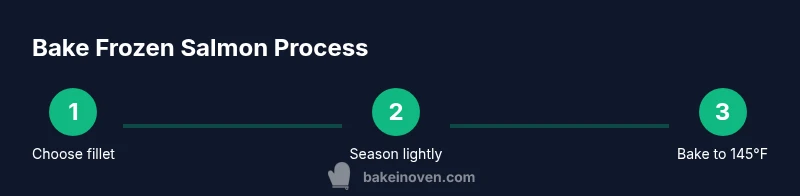
Many home bakers wonder: is it ok to bake salmon from frozen? Yes—it's safe and practical when you follow a few key steps. Start with a hot oven (around 425°F/220°C), add a light oil or seasoning, and check doneness with a thermometer. Frozen salmon cooks longer, and you may notice slight texture differences compared to thawed fillets. Bake In Oven explains a simple, reliable method.
Is It Okay to Bake Salmon From Frozen?
The short answer is yes, you can bake salmon directly from frozen. This method is convenient when you haven’t planned ahead to thaw, and it can yield delicious results with a few adjustments. The key is to give the fish extra time and to monitor internal temperature so the center reaches the recommended safe range without overcooking the outer edges. As you consider the question, think about texture, moisture, and timing. In many households, frozen-bake salmon becomes a reliable weeknight option when done with attention to doneness and seasoning. Baking from frozen is not a magic shortcut for perfect texture, but with the right technique, you can achieve moist, flaky fish that satisfies with minimal fuss.
For context, this guidance comes from a kitchen-tested approach developed by the Bake In Oven team and is widely applicable to typical home ovens and common salmon cuts. Think of frozen salmon as a flexible ingredient that can still deliver a satisfying meal when you respect heat thresholds and internal temperature targets. The technique works best with uniform fillets and a light coating to promote even heat distribution. Remember: the goal is an internal temperature of about 145°F (63°C) in the thickest part of the fillet, reached without drying the exterior.
Texture and Flavor Changes When Baking Frozen Salmon
Compared with thawed fillets, salmon cooked from frozen may show modest differences in texture and moisture. The surface can finish a touch crisper when you use a hot oven and a thin oil coating, while the interior remains pleasantly moist if you avoid overcooking. Freezing can cause small ice crystals that release moisture as they melt, which can help keep the center from drying out too quickly. However, you might also notice that frozen fillets take longer to become uniformly flaky. To mitigate these effects, start with equal thickness and avoid overcrowding the baking tray. Enhancing flavor with a light lemon zest, a pinch of garlic powder, or a simple herb blend can elevate the dish without complicating the process.
Thawing vs Baking From Frozen: When to Thaw First
Defrosting in advance can yield very even doneness and a texture closest to fresh fillets, but it requires planning. If you’re short on time, baking from frozen is a viable alternative. Thawing in the refrigerator overnight results in shorter bake times and more predictable texture, while quick-thaw methods (cold water bath) can shave a portion of the wait. If you opt to thaw, pat the fillet dry to reduce excess moisture and apply seasonings evenly. If you don’t thaw, increase bake time by roughly 50–60% and rely on a thermometer to confirm doneness. Either approach works well with a few adjustments to heat and timing.
Prep and Seasoning for Frozen Fillets
Even though the fish is frozen, you can still season effectively. A light coating of olive oil or melted butter helps flavors adhere and improves browning. Simple seasonings—salt, pepper, and a touch of paprika or lemon zest—work beautifully without overpowering the fish. Avoid heavy sauces that can pool and steam the surface, which may prevent a good crust. If you prefer herbs, fragrant options like dill or parsley can be added toward the end of cooking to preserve their bright notes. Handling is straightforward: line the baking sheet with parchment or foil for easy cleanup, place the fillets on the sheet, and proceed with your chosen seasoning.
Oven Settings, Timing, and Doneness Cues
A reliable starting point is a hot oven around 425°F (220°C). Because the fillets are frozen, plan for longer bake times and begin checking for doneness toward the upper end of the expected window. A general guideline is to bake until the thickest part of the fillet reaches 145°F (63°C). Use a calibrated meat thermometer inserted into the center of the fillet away from bone or skin for an accurate reading. If you notice the exterior browning too quickly, loosely cover with foil to shield the surface while the interior finishes cooking. Doneness cues include a flaky texture and opaque appearance; the fish should separate easily with a gentle poke.
Serving Ideas, Sauces, and Complementary Dishes
Serving frozen-baked salmon is a flexible affair. A simple squeeze of lemon, a dab of butter, and fresh chopped herbs can elevate the flavor without masking the fish. For variety, pair with light sauces such as a yogurt-dill sauce, a lemon-butter reduction, or a parsley-caper vinaigrette. Complement with quick, oven-roasted vegetables like asparagus, Brussels sprouts, or snap peas for color and contrast. A small portion of whole grains or a quinoa pilaf adds fiber and texture, rounding out a satisfying meal. Keep portions moderate to balance flavors and avoid overwhelming the fish’s delicate profile.
Food Safety, Storage, and Leftovers
Cooked salmon should be cooled and stored promptly to minimize bacterial growth. Refrigerate within two hours of cooking, and store leftovers in an airtight container for up to three days. Reheat gently in a low oven to preserve moisture, or flake into a hot pan with a splash of stock or water to re-moisten. If you need to freeze leftovers, separate portions and freeze promptly; use within one month for best quality. Always trust a thermometer reading for safety and discard any fillet that smells off, looks unusually dull, or shows signs of spoilage.
Troubleshooting Common Issues When Baking Frozen Salmon
If the exterior browns before the center is cooked, reduce heat or cover with foil and extend the bake time. If the fillet seems dry, consider applying a light coating of oil and avoiding overcooking. On very thick fillets, placing the thicker end toward the center of the oven can help the heat reach the core evenly. If you notice uneven cooking across fillets on the same tray, ensure they are similar thickness and give space for air to circulate. Remember to verify doneness with a thermometer rather than relying solely on time estimates.
Quick Serving Ideas and Meal Pairings
After baking, serve salmon with a bright herb salad, a cucumber-dill yogurt sauce, or a simple olive oil-based drizzle. Add a side of roasted potatoes or a citrus quinoa to complete the plate. For a lighter option, pair with a cucumber-tomato salad and steamed greens. These combinations emphasize the salmon’s natural flavors while keeping the meal balanced and satisfying.
Tools & Materials
- Frozen salmon fillets(1 per person, skin-on if possible; uniform thickness preferred)
- Olive oil or melted butter(Light coating to aid browning and moisture)
- Salt and pepper(Season evenly; adjust to taste)
- Paraffin paper or aluminum foil (parchment paper optional)(For easy cleanup and to prevent sticking)
- Baking sheet with rims(Pre-lined for catch drips and stability)
- Meat thermometer(Target 145°F / 63°C in the thickest part)
- Lemon wedges and fresh herbs (optional)(Finish and brighten flavor)
- Time-saving timer(Useful to cue checks without peeking too early)
Steps
Estimated time: 25-40 minutes
- 1
Preheat and prepare tray
Preheat your oven to 425°F (220°C). Line a baking sheet with parchment or foil and lightly oil the surface to prevent sticking. This ensures even heat contact and easier cleanup.
Tip: Using parchment helps reduce cleanup time and prevents sticking. - 2
Arrange frozen fillets
Place fillets on the prepared tray with space between each piece for air circulation. If thickness varies, position thicker portions toward the center of the oven.
Tip: Uniform thickness promotes even cooking. - 3
Lightly oil and season
Drizzle or brush each fillet with a small amount of oil or melted butter. Season with salt, pepper, and any light spices you enjoy. Avoid heavy sauces that can pool and steam.
Tip: A thin coat of fat helps browning without adding excess moisture. - 4
Bake for initial phase
Bake in the hot oven for an initial phase of 8–12 minutes, depending on thickness. This starts the cooking process and begins cooking the center.
Tip: Check after 8 minutes to avoid overcooking. - 5
Check internal temperature
Insert a thermometer into the thickest part of the fillet. If it has not reached 145°F (63°C), continue baking and recheck every 2–3 minutes.
Tip: Prevent overcooking by monitoring early. - 6
Finish cooking and rest
Once the center hits 145°F, remove from the oven and let rest for 2–3 minutes. The residual heat will carry to the edges and finish the cook.
Tip: Resting helps redistribute moisture. - 7
Add finishing touch
Squeeze fresh lemon, scatter herbs, or add a small pat of butter for gloss and flavor right before serving.
Tip: Fresh finishing notes brighten the dish. - 8
Plate and serve
Serve with a simple side and a light sauce if desired. Ensure each portion flakes easily with a fork.
Tip: Pair with vegetables and a grain for balance. - 9
Store leftovers properly
If any salmon remains, cool quickly and refrigerate in an airtight container within two hours. Use within 3 days.
Tip: Label dates to track freshness.
Frequently Asked Questions
Can I bake salmon from frozen without thawing?
Yes. Bake directly from frozen with a longer cook time and by using a thermometer to avoid overcooking. This method is convenient when time is short.
Yes, you can bake salmon from frozen. Just expect longer cooking and check doneness with a thermometer.
What internal temperature should salmon reach?
Aim for an internal temperature of 145°F (63°C) in the thickest part of the fillet. Let it rest briefly after removing from the oven.
Cook until the thickest part reaches 145 degrees and rest a couple minutes.
Will frozen salmon taste as good as thawed?
Texture and moisture may differ slightly from thawed salmon, but proper technique can still yield moist, flaky fish with bright flavor.
There may be a slight texture difference, but you can still get delicious results with the right method.
Should I thaw salmon before baking?
Thawing can yield more even doneness, but if you’re short on time, baking from frozen is a practical option with adjusted times.
Thawing can help, but you can bake from frozen when needed.
What are good seasonings for frozen salmon?
Keep seasonings light—salt, pepper, lemon zest, and a touch of paprika or herbs work well without overpowering the fish.
Light seasonings like salt, pepper, and lemon zest go a long way.
How should I store leftovers?
Cool quickly and refrigerate in an airtight container within two hours. Use within three days, or freeze for longer storage.
Store leftovers in the fridge within two hours and use within a few days.
Watch Video
Key Takeaways
- Bake from frozen with a hot oven and thermometer check.
- Expect slightly different texture than thawed fillets.
- Season lightly and finish with bright flavors for best results.
- Use parchment and a rimmed tray for easy cleanup.
- Rest briefly before serving to maximize moisture.