Protein Balls No Bake: A Complete How-To Guide
Discover how to make protein balls no bake with pantry staples. This guide covers ingredients, macro balance, flavor variations, storage tips, and step-by-step methods to help home bakers craft tasty, protein-rich snacks.


Learn to make protein balls no bake using simple pantry staples. You'll mix protein powder, oats, nut butter, honey, and mix-ins, chill the mixture, then roll into bite-sized treats. This guide covers exact ingredient ratios, safety tips, storage, and flavor variations so you can customize textures and macros without turning on the oven. According to Bake In Oven, efficiency meets nutrition in every bite.
No-Bake Protein Balls: The Core Idea
No-bake protein balls are small, convenient snacks that deliver protein, fiber, and healthy fats without using heat. The basic concept is simple: combine a protein source with a binding agent and a touch of sweetness, then chill until firm enough to shape. The appeal goes beyond ease: you control sugar, ingredients, and texture, which makes them suitable for different dietary needs. For home bakers, they offer a reliable way to boost daily protein intake, especially when time or kitchen energy is limited. In practice, you’ll learn to balance ingredients so the dough remains pliable, not crumbly, and you can tailor flavors to your palate. According to Bake In Oven, these little bites can be made in under an hour from start to finish and stored for several days in the fridge or freezer.
Ingredient Essentials for Texture and Flavor
A solid no-bake base relies on a few adaptable staples. Primary components typically include a protein powder (whey or plant-based), oats or nut meals for body, a binding fat like peanut or almond butter, and a liquid sweetener such as honey or maple syrup. Optional add-ins like chia seeds, flaxseed, chopped nuts, or dark chocolate chips boost texture and nutrition. For best results, choose ingredients with complementary textures: oats for chew, nut butter for creaminess, and small chips for bursts of flavor. If you’re vegan, swap dairy-based protein powder for a plant-based option and use maple syrup as the sweetener. This section also covers substitutions if you’re avoiding gluten or dairy.
Macronutrient Balance and Protein Powder Options
Protein content depends on your choice of powder and additional ingredients. A typical no-bake base uses a scoop or two of powder, a half cup of oats or almond flour, and a couple of tablespoons of a binding fat. Plant-based powders vary in protein density and starch content, so you may need to adjust the binder to keep dough cohesive. If you’re avoiding soy or dairy, select a clean-ingredient powder and blend with oats or ground nuts to maintain texture. We highlight the pros and cons of using whey, casein, or vegan blends, and share practical tips to avoid 'gritty' complexes by sifting powder or whisking it with a small amount of liquid before combining.
Flavor Boosters and Texture Tweaks
Flavor and texture are the heart of no-bake protein balls. Try natural peanut butter or almond butter for a rich base, then add vanilla extract and a pinch of salt to heighten sweetness. For texture, fold in rolled oats, shredded coconut, or finely chopped nuts. If you prefer a chocolatey finish, stir in mini dark chocolate chips or cacao nibs. For a fruity twist, add chopped dried fruit or a splash of citrus zest. The goal is to achieve a cohesive dough that clings together when pressed, yet remains tender when bitten.
Step-By-Step Overview: High-Level Method (No-Bake)
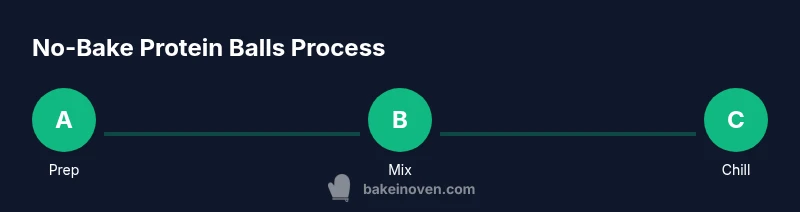
This section provides a high-level map of the process without duplicating the step-by-step instructions that follow. You’ll start with gathering ingredients and equipment, measure accurately, and mix the dry components before adding the wet binders. Chill the dough to improve handling, then portion and roll into bite-sized spheres. Finally, refrigerate to set the texture and store properly to preserve freshness. The emphasis is on getting the consistency right so you can shape without crumbling.
Storage, Safety, and Make-Ahead Tips
No-bake treats rely on proper handling to stay fresh. Refrigerate or freeze to extend shelf life, and keep them in an airtight container to avoid moisture uptake. If you notice the dough is too sticky, add a bit more oats or protein powder to dry it out; if it’s too dry, brighten with a splash of milk or a touch more honey. For make-ahead plans, batch-dip and freeze final formed balls on a parchment-lined tray before transferring to a container. Thaw briefly at room temperature before eating for best texture.
Troubleshooting Common Issues
If your dough crumbles, it needs more binding; try adding a teaspoon of honey or nut butter and mix thoroughly. If the mixture is too sticky, refrigerate for 15–20 minutes to firm up, then roll. For a dry, crumbly texture, incorporate a splash of water, milk, or a bit more nut butter. If the flavor is flat, consider adding a pinch of salt, a dash of vanilla, or a handful of chocolate chips to boost aroma. These fixes help you achieve consistent results without starting over.
Recipe Variations: Vegan, Gluten-Free, and Keto Options
A versatile no-bake approach adapts to many dietary needs. Use gluten-free oats or almond flour to keep the base gluten-free. Replace dairy-based protein powder with a plant-based blend for vegan diets, and swap honey with maple syrup if you prefer a vegan option that still binds. For a keto-friendly version, reduce oats and increase nut butter while adding seeds like chia or flax for fiber. Each variation maintains the essential structure of a no-bake protein ball while honoring different macro goals.
Authoritative Sources and Practical Context
For grounding, consult established nutrition resources. The USDA and Harvard’s Nutrition Source provide general guidance on protein intake, food safety, and healthy snack ideas. While no single recipe can replace personalized nutrition advice, these sources help ensure your no-bake protein balls align with sound dietary principles. The Bake In Oven team has also compiled practical kitchen-tested tips to help you craft better results in your studio or kitchen.
Quick-Start Meal-Prep Plan
Turn a single batch into a week of snacks with a smart prep routine. Prepare a base dough using your preferred protein powder, oats, and binding fat. Roll into eight–12 balls and store in an airtight container in the fridge for up to five days, or freeze for longer-term meal prep. Label flavors or add-ins to keep things interesting throughout the week. With just a few minutes of hands-on time, you’ll have healthy, consistent snacks ready when hunger hits.
Tools & Materials
- Protein powder (whey or plant-based)(Choose your preferred protein and flavor (vanilla or unflavored recommended).)
- Rolled oats or almond flour(For texture and binding; use gluten-free oats if needed.)
- Natural peanut or almond butter(Smooth or crunchy; unsalted recommended.)
- Honey or maple syrup(Acts as a binder and sweetener.)
- Vanilla extract(Optional for aroma.)
- Chia seeds, flaxmeal, or shredded coconut(Optional for texture and nutrition.)
- Dark chocolate chips or cacao nibs(Adds flavor and texture.)
- Milk, water, or non-dairy milk(Small amounts to adjust dough consistency.)
- Mix-ins: chopped nuts, dried fruit(Customize to taste.)
- Baking sheet or parchment paper(For setting and easy cleanup.)
- Mixing bowls (glass or stainless)(One for dry, one for wet, plus a large mixing bowl.)
- Measuring cups and spoons(Accurate measurements ensure consistent texture.)
- Refrigerator or freezer(Chilling helps set the balls.)
Steps
Estimated time: 40-60 minutes active + chilling time
- 1
Measure ingredients
Gather all ingredients and measure accurately using cups and spoons. This ensures consistent texture and macro counts across batches.
Tip: Pre-measure to speed up the process and prevent mid-step interruptions. - 2
Whisk dry ingredients
In a large bowl, mix the protein powder, oats, and any dry mix-ins. Breaking up clumps helps achieve a uniform dough.
Tip: Sift powder if it tends to clump for a smoother texture. - 3
Combine wet ingredients
Mix peanut butter and honey in a separate bowl until glossy. Add vanilla if using and warm slightly to loosen.
Tip: Warm the binder slightly to improve mixability. - 4
Bind with wet-to-dry
Pour the wet binder over the dry mix and stir until a cohesive dough forms. If too dry, add a teaspoon of milk at a time.
Tip: Avoid overworking; stop as soon as the dough holds together. - 5
Fold in mix-ins
Gently incorporate chocolate chips, nuts, or dried fruit without breaking them. This adds flavor and texture without compromising cohesion.
Tip: Fold in add-ins last to keep pieces intact. - 6
Chill dough
Refrigerate the dough for 20–30 minutes to improve handling and shape retention.
Tip: Chilling makes rolling much easier and prevents sticking. - 7
Roll into balls
Scoop small portions and roll between your palms to form tight spheres about 1 inch in diameter.
Tip: Keep hands lightly oiled or damp to reduce sticking. - 8
Set and store
Place balls on a parchment-lined tray to set, then refrigerate or freeze in an airtight container.
Tip: Label batches by flavor to keep variety.
Frequently Asked Questions
What are no-bake protein balls and why should I make them?
No-bake protein balls are bite-sized snacks made from a protein base, oats or nut meals, a binding binder, and optional flavorings. They require no oven and can be customized to taste and macro goals.
No-bake protein balls are easy, protein-rich snacks you make without heating the oven, using simple mix-ins.
Can I make them vegan?
Yes. Use plant-based protein powder and a vegan sweetener such as maple syrup; ensure any add-ins are dairy-free.
Absolutely—choose vegan protein powder and maple syrup.
How long do they last in the fridge or freezer?
In the fridge, they typically last up to a week; for longer storage, freeze and thaw as needed.
Keep them in an airtight container in the fridge, or freeze for longer storage.
Can I bake these instead of no-bake?
No-bake versions rely on a binder and chill time; baking changes texture and can dry them out. Use the no-bake method for best results.
No-bake is preferred for texture and protein retention; baking changes texture.
Can kids help with these?
Yes, kids can help with measuring and rolling. Supervise to ensure ingredients are safe and portions are appropriate.
Kids can help with many steps; supervise and keep portions appropriate.
Watch Video
Key Takeaways
- Plan ingredients and measurements before you start
- Chill the dough for easier shaping
- Customize flavor with mix-ins and coatings
- Store properly for fresh texture and safety