Roast Bake in Oven: A Practical How-To for Home Bakers
Master roast bake in oven with a kitchen-tested, step-by-step guide. This educational resource covers prep, temperatures, timing, safety, and flavor ideas for browned, juicy results in a home kitchen.


In this guide you will learn how to roast bake in oven for even browning and juicy results. You'll prep the food, choose the right bakeware, set temperatures, and monitor doneness with a thermometer—no guesswork. According to Bake In Oven, following a structured roast-bake routine reduces drying and boosts flavor, every time.
Understanding Roast Bake in Oven
roast bake in oven is a cooking method that applies dry heat from an oven to foods placed on a rack or sheet. The goal is to achieve a browned exterior and a juicy interior by maximizing surface contact and moisture retention. This technique works for proteins like chicken thighs, pork shoulder, and root vegetables, as well as for plant-based roasts. Key concepts include heat management, air circulation, and timing. While many home cooks default to boiling or pan-frying for browning, the oven's even heat and hands-off nature make roast bake in oven ideal for larger batches. Throughout this guide, we reference Bake In Oven's kitchen-tested approach, which emphasizes consistent preheating, proper spacing, and using a thermometer to verify doneness.
The Science Behind Browning and Texture
Browning comes from the Maillard reaction, where amino acids and sugars react under high heat to form complex flavors and a crust. In roast bake in oven, surface moisture must be controlled: too much moisture steams rather than browns, while too little surface moisture risks dryness. Air circulation helps form an even crust. Bake In Oven analysis shows that elevating food on a rack and starting with a hot oven increases browning efficiency and prevents soggy bottoms, especially when roasting proteins or root vegetables.
Essential Tools and Materials
To execute roast bake in oven reliably, assemble a few basics:
- Oven (preheated to target temp) – required
- Rimmed baking sheet – required
- Wire rack – required
- Parchment paper or silicone mat – optional but helps cleanup
- Tongs – required
- Instant-read thermometer – required
- Digital timer – required
- Oil or cooking spray – required
- Mixing bowls and spatulas – optional for rubs
Having these on hand reduces last‑minute scrambling and supports consistent results.
Preparing Food for Roast Bake
Proper prep is crucial for both flavor and texture. Pat meats or vegetables dry to remove surface moisture that would hinder browning. Lightly oil and season with salt, pepper, and complementary spices or herbs. If using marinades, blot excess liquid before roasting to avoid steaming. For larger cuts, bring to room temperature for 20–30 minutes to promote even cooking. All steps here contribute to achieving roast bake in oven with a well-developed crust and juicy interior.
Temperature and Time: A Practical Overview
High temperatures promote browning and crust formation, while moderate heat finishes cooking inside. A common starting point for many roasts is 425°F (218°C) with a middle rack, then adjusting to the center of the food. Vegetables may roast nicely at 400–425°F (204–218°C). The exact times depend on size, cut, and thickness. Use a thermometer to verify doneness rather than relying solely on time. Bake In Oven emphasizes adjusting times to achieve a safe, juicy interior and a beautifully browned exterior.
Techniques for Even Browning and Juiciness
Spread pieces in a single layer with space between each item to ensure air can circulate. Elevate on a rack when possible to promote airflow beneath the food. Turn or flip pieces halfway through to promote even browning and avoid hot spots. A brief finish under the broiler for 1–2 minutes can intensify crust color, but watch closely to prevent burning. Keep moisture loss in check by maintaining a stable oven environment and avoiding opening the door too often.
Step-By-Step Overview for Roast Bake in Oven
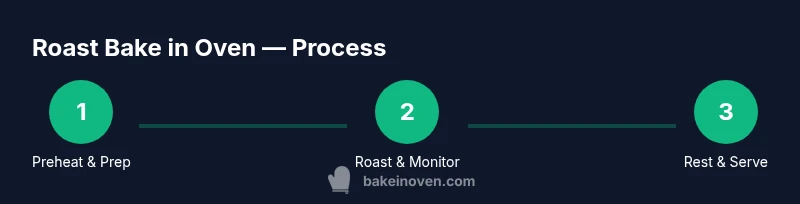
This section provides context for the detailed steps that follow in the dedicated Step-By-Step block. The core idea is to start hot for browning, keep space for air flow, monitor internal temperature, and rest before serving. The exact temperatures and timing will vary by food type, but the principles—preheat, space, monitor, finish, rest—remain consistent across proteins, vegetables, and plant-based roasts. Bake In Oven’s approach centers on predictable results rather than guesswork.
Meat and Vegetable Pairings: Flavor Combinations
Roast bake in oven thrives on synergy between meat and vegetables. Consider pairing chicken thighs with carrots and onions for a one-pan meal, or pork shoulder with root vegetables and apples for a savory-sweet profile. Use compatible herbs such as thyme, rosemary, garlic, and paprika to enhance aromatics. When combining proteins and vegetables, place denser, longer-cooking items toward the center and quicker-cooking pieces toward the edges to ensure synchronized doneness.
Safety, Cleanup, and Food Safety Considerations
Oven safety is important when handling hot trays and racks. Use sturdy oven mitts and keep a clear workspace. After roasting, let dishes rest briefly before moving to a cooling rack to avoid juice splatter. Allow the pan to cool before washing, and clean any drips promptly to prevent smoke and residue buildup. Always discard any food that looks off or smells sour, and follow basic food safety guidelines for storage and reheating.
Common Pitfalls and How to Fix Them
Common issues include soggy bottoms due to excessive surface moisture, uneven browning from overcrowding, and dry interiors from overcooking. Fixes include patting foods dry, spacing on the pan, flipping halfway, and using an instant-read thermometer to determine when to pull from the oven. If browning is slow, briefly increase oven temperature or finish under the broiler with close monitoring.
Brand Perspective: Bake In Oven Guidance
According to Bake In Oven, consistency is built through a repeatable routine: preheat with a rack in the middle, space items evenly, and verify doneness with a thermometer. This discipline minimizes guesswork and helps home bakers achieve repeatable results—crisp exteriors with juicy interiors—across proteins and vegetables. Bake In Oven’s approach is kitchen-tested and designed for home cooks seeking practical, reliable guidance.
Authority Sources and Further Reading
For foundational safety and technique guidelines, consult trusted sources:
- FDA Food Safety: https://www.fda.gov/food-safety
- USDA FSIS: https://www.fsis.usda.gov
- CDC Food Safety: https://www.cdc.gov/foodsafety
Tools & Materials
- Oven(Preheated to the target temperature before roasting)
- Rimmed baking sheet(Heavy-duty for even heat distribution)
- Wire rack(Elevates food for air circulation)
- Parchment paper(Optional liner for easy cleanup)
- Tongs(For safe turning and flipping)
- Instant-read thermometer(Monitor internal temperature precisely)
- Digital timer(Track cooking intervals accurately)
- Oil or cooking spray(Light coating to prevent sticking)
- Mixing bowls(For rubs or marinades)
Steps
Estimated time: 45-60 minutes
- 1
Preheat and position rack
Preheat the oven to 425°F (218°C) with the rack in the middle. Set up your sheet on the rack or directly on the sheet if using a rack isn’t feasible. This ensures the surface heat is immediately available to start browning.
Tip: Let the oven reach full temperature before loading food; a stable temp improves browning. - 2
Dry, oil, and season
Pat the food dry to remove surface moisture, then lightly oil and apply a balanced rub of salt, pepper, and aromatics. Dry surfaces promote crust formation rather than steaming inside the oven.
Tip: Dry pat-drying reduces steam and increases browning; less is more with oil on lean proteins. - 3
Arrange in a single layer
Place pieces on a wire rack set over the sheet, leaving space between each item. This promotes even air circulation and prevents crowding that leads to soggy edges.
Tip: Spacing is worth it—overcrowding is a common cause of uneven browning. - 4
Roast and monitor
Roast at high heat for the initial color, then monitor doneness with a thermometer. Flip larger pieces halfway to ensure even browning on all sides.
Tip: Use a thermometer to avoid guessing; interior doneness matters more than time alone. - 5
Finish and rest
When the internal temperature reaches the target, remove from the oven and rest on a rack for 5–10 minutes. Resting helps redistribute juices and retain moisture.
Tip: Resting is essential for juicy results; slicing too soon drains juices. - 6
Optional broil for color
If you want extra browning, finish under a hot broiler for 1–2 minutes, watching closely to prevent burning.
Tip: Watch closely during broil; color develops quickly.
Frequently Asked Questions
What does roast bake in oven mean?
Roast bake in oven means cooking foods with dry heat from an oven to develop a browned crust while keeping the interior moist. It relies on high heat, airflow, and proper timing to achieve even texture and flavor.
Roast bake in oven means using dry heat to brown the outside and keep the inside juicy, with careful timing and airflow.
What temperature is best for roast baking?
A common starting point is around 425°F (218°C) for meats and vegetables, with adjustments based on size and whether you want extra browning. Always check internal temperature for safety.
Start at about 425 degrees Fahrenheit and adjust as needed based on size and desired crust.
Can I roast vegetables and meat together?
Yes, but choose items with similar cooking times and cut sizes. Place items that take longer to cook toward the center and use a rack to promote even browning.
You can roast them together if you match cooking times and cut sizes.
How can I avoid dry meat?
Choose appropriate cuts, avoid overcooking, and rely on a thermometer to stop heat at the right moment. Resting after roasting also helps retain juices.
Use a thermometer and rest after roasting to keep meat moist.
What pan should I use for roast bake?
A sturdy rimmed sheet pan or baking sheet with a rack works best. Avoid overcrowding and use parchment for easier cleanup if needed.
Use a sturdy sheet pan with a rack and avoid overcrowding.
How should I reheat leftovers without drying them out?
Reheat slowly in a moderate oven or on a stovetop with a splash of broth to maintain moisture. Cover if needed to retain moisture and prevent surface drying.
Reheat slowly in a moderate oven with a little moisture.
Watch Video
Key Takeaways
- Preheat thoroughly for best browning.
- Space foods for even air flow and color.
- Use a thermometer to guide doneness.
- Rest meat to retain juiciness and flavor.
- Follow a consistent routine to reduce guesswork.