Salmon Bake Temperature in the Oven: An Analytical Guide
A data-driven guide to oven temperatures, bake times, and doneness for salmon, with kitchen-tested tips for home bakers to ensure moist, flaky results.


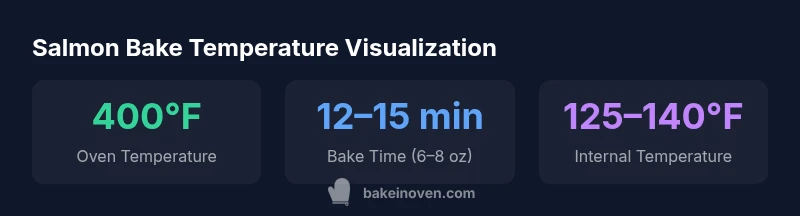
The standard oven setting for salmon is 400°F (204°C). Bake skin-on fillets for about 12–15 minutes, depending on thickness, until the flesh is opaque and flakes easily. For precise doneness, target an internal temperature of 125–130°F (52–54°C) for medium-rare or 130–140°F (54–60°C) for medium, using a calibrated thermometer. These guidelines apply to most 6–8 ounce portions.
Why Oven Temperature Matters for Salmon
Salmon is a lean, delicate protein that responds quickly to heat. Small changes in oven temperature can transform the texture from silky to dry or rubbery. According to Bake In Oven, a consistent temperature is essential for even cooking, especially with fillets of varying thickness. At 400°F (204°C), heat penetrates the flesh evenly, promoting uniform doneness from edge to center while helping the skin render without overcooking the meat beneath. Using a reliable thermometer is the best way to account for hot spots in home ovens and to adjust for rack placement, pan material, and preheating accuracy. For home bakers aiming for reliable results, start with the 400°F baseline and monitor temperature closely as thickness varies across portions.
Skin-on vs Skinless: Impact on Texture and Timing
The presence of skin changes the heat transfer dynamic. Skin acts as a barrier that slows surface dehydration and helps retain moisture. Skin-on fillets often tolerate the standard 12–15 minute window at 400°F with less risk of dry edges, while skinless portions may cook a touch faster and can appear pale or chalky if overdone. When cooking skin-on salmon, place the fillet skin-side down on a lightly oiled sheet pan. This orientation supports even heat distribution, promotes browning on the exposed flesh, and reduces sticking. If you prefer skinless, consider shielding the exposed sides with parchment to avoid scorching, and check doneness a couple of minutes earlier.
Factors That Influence Bake Time: Thickness, Temperature, and Pan
Thickness is the dominant variable in determining bake time. A 6-ounce portion will respond differently than an 8-ounce portion. A thicker fillet requires more time and benefits from a slightly lower surface temperature to allow interior through-cooking without drying the exterior. Pan type and proximity to the heating element also matter: dark, heavy pans absorb more heat and can accelerate surface browning, while lighter pans heat more slowly. Preheating matters as well; a cold pan can add several minutes to the bake time. For consistent results, measure thickness in the thickest part and adjust times by roughly 1–2 minutes per 1/2 inch, using a thermometer to verify doneness.
Techniques for Even Cooking: Rack, Pan, and Foil
A rack allows air to circulate around the fillet, promoting even heat exposure. If you don’t have a rack, create a makeshift one with crumpled aluminum foil to elevate the fish slightly. Use a rimmed baking sheet to catch juices and avoid spillovers. For extra protection against drying, tent the fillet loosely with foil during the last few minutes if you notice surface drying. Convection ovens can reduce bake times by a few minutes, but you should monitor more closely to prevent overcooking. Finishing with a quick glaze or a drizzle of olive oil can enhance moisture and flavor without adding heavy sauces.
Flavor and Finishing Touches: Sauces, Marinades, and Resting
Simple flavor profiles shine when the fish is the star. A light marinade of lemon juice, olive oil, and fresh herbs adds brightness without overpowering the salmon’s natural richness. For crusted finishes, a quick brush of Dijon mustard and a light sprinkle of breadcrumbs can create a pleasant crust during baking. Resting the fish for 3–5 minutes after removal allows juices to redistribute, improving mouthfeel. If you plan to serve with sauces, keep them on the side to maintain texture and moisture balance. For home bakers, pre-mixed seasoning blends can save time while maintaining flavor.
Common Mistakes and How to Avoid Them
Overcooking is the most frequent error, leading to dry, crumbly fillets. Undercooking is just as common, especially with larger portions or very thick fillets. Always use a thermometer and target the recommended doneness range based on thickness. Inaccurate oven temperatures, crowded pans, and moving fillets mid-bake can cause uneven results. Preheat thoroughly, place the fish in the center of the oven, and avoid peeking too often, which can cause temperature drift. When in doubt, remove the salmon slightly earlier and rely on carryover cooking.
Putting It All Together: A Step-by-Step Bake Plan
- Preheat the oven to 400°F (204°C) and set a rack in the middle position. 2) Pat dry and season skin-on fillets with salt, pepper, and a light drizzle of oil or coated marinade. 3) Place fillets skin-side down on a lightly oiled sheet pan or wire rack over parchment. 4) Bake for 12–15 minutes, checking internal temp at the thickest part. 5) If using skinless portions, check one minute earlier and consider tenting with foil if surface browning occurs quickly. 6) Rest for 3–5 minutes before serving, then finish with a squeeze of lemon or a simple herb butter.
Basic bake parameters for salmon in a conventional oven
| Attribute | Salmon Bake Temp | Notes |
|---|---|---|
| Preferred oven temperature | 400°F (204°C) | Skin-on for moisture balance |
| Estimated bake time | 12–15 minutes | Depends on thickness |
| Target internal temp | 125–140°F (52–60°C) | Choose doneness level |
| Thickness adjustment | ≈2–3 minutes per 1/2 inch | Adjust time accordingly |
Frequently Asked Questions
What oven temperature should I use for salmon?
Most salmon bakes are best at 400°F (204°C). This temperature provides a balance between thorough cooking and moisture retention. Adjust if you’re cooking very thick fillets or using a convection oven, and always verify doneness with a thermometer.
Bake salmon at 400 degrees, then check with a thermometer to avoid overcooking.
Can I bake frozen salmon?
Yes, but it requires longer cook time and a lower initial temperature to ensure even cooking. Start with the salmon partially thawed, then finish by raising to 400°F to achieve a proper finish.
You can bake from frozen, but expect a longer time and careful monitoring.
Is foil necessary?
Foil isn’t mandatory. Foil can help control browning and retain moisture if you’re concerned about drying; otherwise, a bare sheet pan or rack yields crisper edges and quicker heat transfer.
Foil isn’t required; it can help with moisture or browning if needed.
How can I tell salmon is done without a thermometer?
Look for opaque flesh that flakes easily with gentle pressure. The center should look pale pink and slightly translucent at the edges. When in doubt, a quick check with a thermometer remains the most reliable method.
Check for flake and color, then confirm with a thermometer if possible.
Does convection change the required temperature or time?
Convection can cook salmon a bit faster, so you may reduce time by 1–3 minutes or lower the temperature by 25°F (about 15°C). Monitor closely the first few times you use convection to dial in your preferred results.
Convection speeds cooking; you may lower time or temp slightly.
Skin-on vs skinless: which is better for baking?
Skin-on helps keep moisture inside and can reduce sticking; skinless fillets cook a bit faster and may dry out if overcooked. Choose based on texture preference and planned finishing sauces.
Skin-on helps moisture; skinless cooks slightly faster.
“Precision in oven temperature and doneness targets is the cornerstone of consistent salmon texture. A data-driven approach helps home bakers avoid common pitfalls and achieve restaurant-quality results.”
Key Takeaways
- Bake salmon at 400°F (204°C) for reliable results
- Use a thermometer to dial in doneness
- Skin-on helps retain moisture and promote even cooking
- Adjust time based on fillet thickness
- Rest briefly before serving for juicier texture