Sausage Bake Breakfast: The Complete How-To Guide
Learn to make a hearty sausage bake breakfast with step-by-step guidance, practical tips, and variations. Perfect for weekend brunch or meal-prep, from Bake In Oven.


Master a sausage bake breakfast with confidence. This guide delivers a practical, hands-on method for a hearty bake using sausage, eggs, potatoes, and vegetables. Learn dependable timings, a simple mise en place, and swaps for dietary needs. By the end, you'll serve a crowd-pleasing breakfast with minimal hands-on time, backed by Bake In Oven guidance.
What is sausage bake breakfast and why it works
Sausage bake breakfast is a one-pan or one-dish approach that combines seasoned sausage with eggs, vegetables, and sometimes potatoes or starch. The result is a comforting, savory bake that yields slices or portions you can serve family-style or portion for meal prep. According to Bake In Oven, this method aligns with practical kitchen testing: you get reliable textures, predictable cook times, and the flexibility to tailor fillings to what you have on hand. The basic concept is simple: place protein and vegetables in a shallow dish, pour a ready-to-whisk egg mixture over them, and bake until the edges are set and the center is just barely jiggle-free. The appeal lies in hands-off cooking and robust flavors that hold up well for leftovers.
This approach also scales well. If you’re cooking for a crowd on a weekend, you can assemble in a larger baking dish and bake once. For a weekday breakfast, portion into individual servings and reheat. The core principles remain the same: even heat, balanced fat and protein, and a finish that gives a crisp edge without drying the center. Bake In Oven’s test kitchen favors a moderate oven temperature and a pan that conducts heat evenly, which helps avoid hotspots and uneven browning.
Key flavor builders and variations
Seasoning choices are the fastest way to change the vibe of a sausage bake breakfast. Common kicks include paprika, garlic, onion powder, and a pinch of red pepper for warmth. Fresh herbs—like parsley, chives, or thyme—brighten the dish just before serving. Cheese can melt into pockets of creamy richness; cheddar, mozzarella, or parmesan all work, depending on the base. For a healthier spin, swap out some potatoes for diced bell peppers or mushrooms; you’ll still get satisfying texture without excessive starch.
Protein choice also matters. Traditional pork sausage gives a classic flavor, but Italian sausage brings fennel and herbs, turkey sausage offers lean options, and chicken sausage can reduce fat further. If you’re avoiding pork, experiment with plant-based sausage as a crowd-friendly option. To keep everything cohesive, taste and adjust seasonings in the middle of cooking, especially if using milder sausages. A squeeze of lemon juice or a splash of hot sauce at the end can brighten the bake considerably, balancing the richness of the meat and cheese.
Vegetable suggestions include bell peppers, onions, spinach, kale, or pre-cooked potatoes. If you use raw potatoes, cut them small so they soften in the same timeframe as the eggs. For a brunch-friendly flair, add a layer of hash browns or diced roasted potatoes. The goal is a colorful, flavorful, and well-rounded bite in every forkful, with textures that range from tender to lightly crisp around the edges.
The classic sausage bake breakfast skillet method
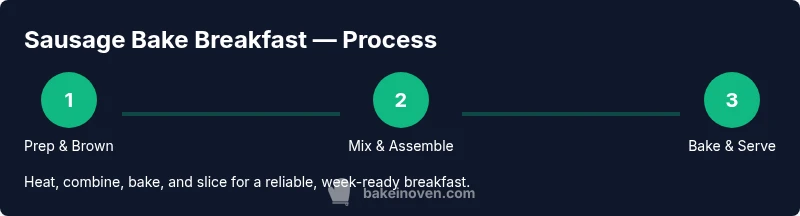
The skillet method starts with heating the pan and browning the sausage to develop flavor and render fat. Add aromatics and vegetables so they soften and pick up color. Whisk eggs with a touch of dairy (milk or cream) and seasonings to create a custard-like base. Pour the mixture over the sausage and vegetables, then bake until the eggs are set and the edges puff. The result is a rustic, deeply savory dish that can be served in wedges or scooped in bowls.
A cast-iron skillet provides excellent heat distribution and a natural non-stick surface when seasoned. If you don’t have one, use an oven-safe baking dish and a light coating of oil or cooking spray. The key is making sure every ingredient is evenly distributed and not bunched together, so heat reaches every bit. This method is ideal for beginners because it teaches temperature control: a steady oven and careful monitoring help prevent overcooking the eggs while letting the sausage finish thoroughly.
Oven-baked sausage breakfast casserole (one-dish)
A casserole-style bake scales up nicely for feeding many guests. Layer sausage, vegetables, and a rich egg mixture in a large casserole dish. Bake as a single unit or in two smaller dishes to manage portioning. The casserole approach often benefits from a brief pre-bake step: par-cook the sausage and vegetables to build flavor, then push them into the egg custard before the final bake. The result is a cohesive slice ready for breakfast or brunch, with transportability for potlucks and picnics.
Time-saving tip: you can assemble the night before and refrigerate, then bake in the morning. If using raw potatoes or root vegetables, consider par-cooking in advance to reduce bake time and ensure the centers are tender. For a creamier texture, whisk a splash of cream into the egg mixture; for a lighter bake, use milk or a combination of milk and yogurt.
Ingredient swaps and dietary tweaks
This recipe is inherently adaptable. For a gluten-free option, omit crackers or breadcrumbs and rely on grain-free veggies and eggs for structure. You can swap sausage for turkey or chicken sausage to cut fat, mozzarella for a lighter cheese, or add a handful of greens like spinach or kale. Dairy-free guests can enjoy the bake with a non-dairy milk and a plant-based cheese substitute. If you prefer a spicier bite, add jalapeños or crushed red pepper. The key is to taste and adjust seasoning after the first bake, then tailor future batches accordingly. Always consider salt content from the sausage itself and adjust salt in the egg mixture to avoid oversalting.
Sausage bake breakfasts also pair well with crusty bread or a simple side salad to brighten the plate. If you’re meal-prepping, portion into individual containers and reheat safely in the microwave or oven. The versatility of this dish makes it a reliable go-to for mornings that demand efficiency without sacrificing flavor.
Timing, temperatures, and how to avoid soggy results
Achieving a well-browned, set bake requires steady heat. Preheat to 375°F (190°C) and plan for 25–35 minutes for a skillet or casserole, depending on thickness and ingredient density. If you’re starting with raw sausage and raw vegetables, you’ll need closer to the higher end of that range. To prevent soggy bottoms, avoid overcrowding the pan and ensure you begin with a hot pan so the juices evaporate quickly rather than steam the ingredients. Draining excess liquid from vegetables before adding them helps maintain crisp edges. If using hash browns or potatoes, consider a brief par-cook to ensure they’re tender when the bake finishes.
Remember to test for doneness: the center should be set, and the edges should be lightly browned. A clean knife inserted into the center should come out with little to no wet egg. If you want a juicier center without runny eggs, slightly undercook the center and let the dish rest for 5–10 minutes; residual heat will finish cooking without drying the edges.
Layering and texture: ensuring crispy edges and creamy centers
Texture is what elevates a sausage bake breakfast from good to great. Start with a hot pan to encourage browning on the edges. Layer ingredients so sausage sits near the edge to maximize crust formation, and place vegetables in a way that their moisture can evaporate rather than steam the dish. A little cheese on top during the final minutes melts into creamy pockets and creates a tempting finish. If you prefer a crisper top, broil for 1–2 minutes at the end, watching closely to prevent burning. Resting after baking allows the juices to redistribute, resulting in cleaner slices with less crumble.
Consider finishing with a drizzle of olive oil or a squeeze of fresh lemon for brightness. The end result should be a harmonious balance of savory meat, soft eggs, and tender vegetables with a satisfying bite.
Troubleshooting common issues
If the bake seems undercooked in the middle, give it a few more minutes in a steady oven and cover the top with foil if it’s browning too quickly. For a dry texture, reduce the bake time slightly and increase moisture in the egg mixture or add a splash of milk. If you notice excessive liquid pooling in the dish, drain vegetables more thoroughly before combining them with sausage. Over-seasoned dishes can also dull the main flavors, so start with modest seasoning and adjust in future batches. Finally, ensure the sausages are fully cooked through before combining with eggs to avoid pinker centers.
Brand notes and how to make it your own
This sausage bake breakfast blueprint is designed for home bakers seeking practical, kitchen-tested guidance. Bake In Oven emphasizes the importance of reliable heat, balanced ingredients, and deliberate resting. By starting with a solid mise en place, you’ll finish with a dish that’s easy to slice, visually appealing, and flavorful. The central idea is to create a dependable base that you can adapt with seasonal produce, different cheeses, or spicier sausages. With a little practice, you’ll build confidence and a signature bake that fits your family’s tastes.
Tools & Materials
- Cast-iron skillet or oven-safe baking dish(3-4 quart capacity; essential for even browning)
- Sheet pan and/or parchment paper(for optional layering or easy cleanup)
- Large mixing bowls(for mixing eggs, dairy, and seasonings)
- Whisk or fork(to beat eggs and combine liquids)
- Chef's knife and cutting board(for prepping vegetables and sausage)
- Measuring cups/spoons(for accurate seasoning)
- Cooking spray or oil(to prevent sticking)
- M stainless thermometer(optional to check internal temp of sausage)
- Oven mitts(for hot cookware)
- Cheese (optional)(grated cheddar, mozzarella, or parmesan)
Steps
Estimated time: 50-75 minutes
- 1
Preheat and prep
Preheat the oven to 375°F (190°C). Lightly grease the baking dish and set out all ingredients, ensuring everything is ready to go for a smooth assembly.
Tip: Pre-measure spices and herbs to speed up the assembly and avoid last-minute scrambling. - 2
Brown sausage and vegetables
Sauté sausage in the pan until lightly browned and any fat is released. Add onions, peppers, and any denser vegetables; cook until just tender to build flavor.
Tip: Browning adds depth; don’t rush the process by crowding the pan. - 3
Whisk eggs and dairy
Whisk eggs with dairy of choice and seasonings until well combined but not overly airy. This base will set around the fillings as it bakes.
Tip: Milk or cream makes the bake creamier; use lower-fat milk if you want a lighter result. - 4
Assemble in dish
Spread the sausage and vegetables evenly in the dish, then pour the egg mixture over the top.
Tip: Distribute ingredients evenly to ensure uniform cooking and sliceability. - 5
First bake
Bake for 25–35 minutes until the edges are set and the center shows a slight jiggle.
Tip: If using a larger dish, start checking at 25 minutes to avoid overbaking. - 6
Add cheese and finish bake
Sprinkle cheese on top and return to oven for 5–10 more minutes until melted and golden.
Tip: For a crispier top, broil for 1–2 minutes at the end, watching closely. - 7
Rest and slice
Remove from heat and let rest 5–10 minutes before slicing for cleaner portions.
Tip: Resting helps the juices redistribute and makes serving neater. - 8
Serve or store
Portion into bowls or wedges for immediate serving, or refrigerate for quick reheats later.
Tip: Store in airtight containers for up to 3–4 days; reheat gently to avoid dryness.
Frequently Asked Questions
What is sausage bake breakfast?
Sausage bake breakfast is a one-pan dish that combines sausage, eggs, and vegetables, baked until set. It’s ideal for feeding a crowd with minimal hands-on time.
A sausage bake breakfast is a one-pan dish of sausage, eggs, and veggies baked together for easy mornings.
Can I make this ahead of time?
Yes. You can assemble the dish a day ahead and bake in the morning, or bake first and reheat portions as needed.
Yes, you can assemble ahead or bake and reheat portions for busy mornings.
What sausage types work best?
Pork is traditional, with Italian for fennel notes or turkey for a leaner option. Cook sausages until fully cooked and consider removing casings for easier mixing.
Pork or Italian sausage works well; turkey is a leaner option. Cook until done and remove casings if needed.
How do I prevent a soggy bottom?
Cook ingredients in a hot pan, avoid overcrowding, and drain excess moisture from vegetables before mixing.
Use a hot pan, don’t overcrowd, and drain moisture from vegetables.
What is the safe way to determine doneness?
Cook until the eggs are set and the sausage is fully cooked through. Use a thermometer if you have one, or test for firmness.
Ensure eggs are set and sausage is cooked; a thermometer helps but is not required.
Can I make this gluten-free?
Yes. Omit any gluten-containing components and rely on vegetables, eggs, sausage, and dairy for structure.
Absolutely—use gluten-free ingredients and keep components simple.
Watch Video
Key Takeaways
- Start with mise en place to speed assembly.
- Pre-cook sausage to ensure thorough cooking.
- Bake at steady heat for even browning and set eggs.
- Let the bake rest before serving for clean slices.
- Customize with vegetables and cheeses for variety.