Sausage Egg Bake: A Simple, Tasty Breakfast Bake
Learn to make a hearty, one-dish sausage egg bake with practical steps, flexible substitutions, and make-ahead options. This guide from Bake In Oven covers prep, cooking, and serving ideas for delicious mornings.


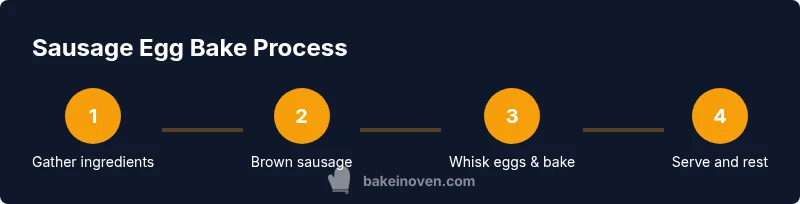
In this guide you’ll create a complete recipe sausage egg bake in one pan. You’ll brown sausage, whisk eggs with milk and seasoning, and fold in cheese and veggies before baking until set. Key steps include preheating the oven, assembling the dish, and checking doneness; you’ll also find make-ahead and storage tips.
Why recipe sausage egg bake works for busy mornings
A well-made sausage egg bake is the epitome of one-dish practicality. It combines protein from sausage, protein and fat from eggs, and the comforting melt of cheese with vegetables for color and nutrition. The Bake In Oven team often recommends a balanced mix of proteins, dairy, and produce so you don’t need side dishes to satisfy a meal. The result is a comforting, hands-off brunch option that stores well and reheats reliably. When you bake a single pan, you save time on prep, reduce cleanup, and still enjoy a satisfying, flavorful breakfast. The approach also scales easily for family breakfasts or holiday mornings, making it a versatile addition to any home kitchen.
Optional add-ins like spinach, peppers, or mushrooms can be folded into the base for extra texture and nutrition, while different cheeses alter richness and melt behavior. With the right balance of ingredients, this recipe sausage egg bake becomes a customizable canvas rather than a rigid mold. It’s a classic that fits many dietary preferences with simple swaps, always grounded in practical, kitchen-tested guidance from Bake In Oven.
Key ingredients and substitutions
The core of a sausage egg bake is simple: sausage, eggs, cheese, and a few supporting players for moisture and flavor. A standard mix uses ground pork or turkey sausage, large eggs, and shredded cheese (cheddar, Monterey Jack, or a blend). Dairy helps create a custard-like texture when combined with eggs, while a splash of milk or cream adds silkiness. For a heartier base, some cooks prefer adding bread cubes or small, cooked potatoes; bread soaks up the egg mixture and adds structure, while potatoes offer a comforting bite. Vegetables such as onions, bell peppers, spinach, or mushrooms bring color and nutrients.
If you need to swap proteins, try fully cooked sausage crumbles or chicken sausage. For a lighter version, reduce cheese or use part-skim varieties. For plant-based diets, substitute crumbled tofu or tempeh with nutritional yeast and a dairy-free cheese alternative. The key is to maintain the balance between the eggs and dairy so the bake sets without becoming dry or overly soggy. As always, season generously with salt, pepper, and a pinch of paprika or garlic powder to boost flavor without relying on excessive fat.
Equipment, prep, and mise en place
Successful bakes start with the right tools and orderly setup. A 9x13 inch baking dish, a sturdy skillet for browning sausage, two mixing bowls, a whisk, and measuring cups and spoons are the foundation. Preheat the oven to a moderate temperature (often around 375–390°F / 190–200°C) and lightly grease the pan with oil or nonstick spray. Prepare all fillings before you start mixing — chop onions and peppers, crumble sausage, beat eggs, and measure dairy and seasonings. Having everything assembled at reach reduces scrambling and ensures a consistent bake. Finally, consider using parchment paper to ease cleanup and promote even heating if you’re worried about sticking.
Mastering texture: eggs, moisture, and bake time
The magic of a good sausage egg bake lies in the custard-like center that remains tender yet fully set. A common approach is to whisk eggs with dairy and seasonings until smooth, then fold in cooked sausage, cheese, and vegetables. The ratio of eggs to dairy influences the texture: too much dairy can lead to a soggy bottom, while too little can yield a dry, crumbly slice. A practical rule is to have just enough moisture to lightly coat the fillings and hold the dish together when sliced. Bake until the edges are lightly golden and a knife inserted near the center comes out clean. Let the bake rest for 5–10 minutes before slicing to improve clean cuts and even portioning.
Make-ahead options and meal prep
This bake adapts nicely to make-ahead prep. Assemble and refrigerate the uncooked bake for up to 24 hours, then bake as directed—but add a few extra minutes if the dish is cold. Another option is to bake the entire dish, then refrigerate slices for quick breakfasts later in the week. Reheat each slice in the microwave in 1–2 minute intervals or in a 350°F (175°C) oven until warmed through. When planning meals, you can portion into individual servings for grab-and-go mornings. Freeze fully baked slices for longer storage, reheating from frozen by covering with foil and warming at 325°F (160°C) until heated through.
Variations for different tastes and dietary needs
The basic framework supports many substitutions. For a lighter version, reduce cheese and swap in sautéed vegetables like spinach or mushrooms for bulk. For a heartier meal, add diced hash browns or bread cubes to the base. Dairy-free options include almond or soy milk and dairy-free cheese shreds. If you prefer a spicier profile, incorporate jalapeños or a dash of hot sauce into the egg mixture. For a kid-friendly take, use milder sausage and a simple cheese blend. The versatility of this recipe makes it easy to tailor to your family’s preferences while staying within a reliable, tested method.
Troubleshooting: common issues and fixes
If the bake seems dense or undercooked in the center, give it a few more minutes in the oven and check that the oven’s temperature is accurate. A soggy bottom typically indicates excess moisture in the fillings or too much dairy; reduce the liquid slightly or drain any watery vegetables before mixing. Overcooking leads to dry slices, so monitor bake time and remove as soon as the center is just set. If the flavor feels flat, adjust seasonings toward the end with a light sprinkle of salt, pepper, or a pinch more paprika. Finally, use a thermometer to verify doneness: the interior should reach a safe temperature without drying out the edges.
Storage, reheating, and serving ideas
Serve warm with a green salad or crusty bread for a balanced meal. Refrigerate leftovers in an airtight container for up to 4 days; reheat gently to preserve texture. For longer storage, freeze individual portions and reheat from frozen in the microwave or a gentle oven to retain moisture. Slice just before serving to maintain neat portions. Garnish with fresh herbs for a bright finish and contrast with the savory, cheesy layers.
Tools & Materials
- 9x13 inch baking dish(glazed ceramic or metal; deep enough for custard)
- 12-inch skillet(for browning sausage)
- Mixing bowls (2)(for eggs/dairy and fillings)
- Whisk(for eggs and dairy)
- Sharp knife(for chopping vegetables)
- Cutting board(surface for prep)
- Measuring cups and spoons(for accurate quantities)
- Oven preheating(preheat to 375-390°F (190-200°C))
- Parchment paper or nonstick spray(optional for easy cleanup)
- Cooked sausage(crumbled or sliced)
- Eggs(large eggs)
- Milk or cream(for custard)
- Shredded cheese(cheddar, Monterey Jack, or blend)
- Salt, pepper, paprika, garlic powder(to taste)
- Vegetables (onion, peppers, spinach)(optional but recommended)
- Cooking spray or oil(grease the dish)
- Optional herbs (parsley, chives)(garnish)
Steps
Estimated time: 60-75 minutes
- 1
Gather ingredients and preheat
Collect all ingredients, tools, and equipment first. Preheat the oven to 375-390°F (190-200°C) and lightly grease the baking dish so the bake releases cleanly when done.
Tip: Having everything prepped prevents last-minute scrambling and ensures even cooking. - 2
Brown sausage
Cook sausage in a skillet over medium heat until browned and crumbled. Drain any excess fat and set aside to cool slightly before mixing with the eggs.
Tip: Crisped bits add flavor and texture; avoid overcrowding the pan for even browning. - 3
Whisk eggs and dairy
In a mixing bowl, whisk eggs with milk or cream and seasonings until smooth. This mixture will form the creamy base that binds the bake together.
Tip: Whisk thoroughly to prevent a seam or curdling in the finished dish. - 4
Sauté vegetables
Lightly sauté onions, peppers, and any greens until softened. They release flavor and reduce moisture so the bake isn’t soggy.
Tip: Remove excess moisture by patting vegetables dry after sautéing if they appear wet. - 5
Assemble in dish
Spread a thin layer of vegetables in the bottom of the dish, then add sausage, followed by the egg mixture and a generous sprinkle of cheese.
Tip: Layering helps even distribution; press gently to compact without squishing edges. - 6
Bake until set
Bake 25-35 minutes until the edges are golden and the center is just set. A slight jiggle in the middle is okay; it will continue to set as it rests.
Tip: Avoid overbaking; carryover heat finishes the set after removal from the oven. - 7
Rest and slice
Let the bake rest 5-10 minutes before slicing. Resting yields cleaner slices and preserves texture.
Tip: Use a sharp knife for clean cuts and wipe between slices for presentation. - 8
Serve or store
Serve warm with fresh herbs or a side salad. Refrigerate leftovers in airtight containers for up to 4 days, or freeze for longer storage.
Tip: Reheat gently to maintain moisture; avoid microwaving too long, which can dry out portions.
Frequently Asked Questions
Can I make this ahead and bake later?
Yes. Assemble the bake and refrigerate up to 24 hours, then bake as directed. If cold, add a few minutes to the bake time.
Yes. You can assemble it the night before and bake it when you’re ready.
What pan size works best?
A standard 9x13 inch dish is ideal for even layers. Smaller dishes will create thicker portions and may require a longer bake time.
A standard 9x13 inch dish works best for even cooking.
Can I freeze leftovers?
Yes. Slice and freeze individual portions. Reheat in 325°F oven or microwave until warmed through.
Yes, you can freeze portions and reheat later.
What is the safe internal temperature?
The center should be set and hot to the touch; if using a thermometer, aim for around 165°F (74°C) in the center.
Make sure the center is hot and set, ideally around 165 degrees Fahrenheit.
Can I adapt this for different diets?
Absolutely. Swap dairy for dairy-free milks and cheeses, use turkey or chicken sausage, and add a variety of vegetables to suit dietary needs.
Yes—you can adapt with dairy-free or lighter ingredients as needed.
Watch Video
Key Takeaways
- Prepare ingredients and tools before starting.
- Balance moisture to avoid a soggy or dry bake.
- Brown sausage for flavor; rest before slicing.
- Make-ahead options save time on busy mornings.
- Customize with veggies and cheeses for variety.