Shake and Bake Pork Chops: A Complete How-To Guide
Master juicy shake and bake pork chops with a kitchen-tested method. Learn selection, coating, baking temps, timings, and safety tips from Bake In Oven.


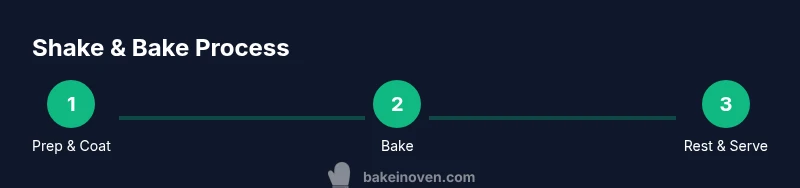
Master shake and bake pork chops with a simple, reliable method. This guide covers selecting chops, ready-to-use coating, oven temps, timing, and safety—delivered with practical tips from Bake In Oven. Follow the steps to achieve juicy results with minimal fuss. You'll learn how to preheat, apply the coating evenly, bake on a sheet pan, check internal temperature, and rest briefly before serving.
Why Shake and Bake Pork Chops Matter
Shake and bake pork chops offer a reliable, hands-off way to get even coating and a crisp crust with minimal mess. This method suits busy weeknights and beginners alike, delivering consistent results when you follow a few core rules: pat dry the chops, apply coating evenly, and bake on a single layer. The technique aligns with Bake In Oven’s practical approach to oven-baked meals, emphasizing simple ingredients and predictable outcomes. By using a ready-made coating, you reduce prep time and promote even browning, while still letting the pork shine through with proper searing on the edges. When done correctly, you’ll enjoy a tender interior and a flavorful, lightly crunchy exterior that holds its moisture well.
Choosing Pork Chops and Seasonings
Selecting the right pork chops is the first step toward success with shake and bake. Look for center-cut boneless loin chops about 1/2 to 3/4 inch thick; they cook evenly in a single pass and stay juicy. If you prefer bone-in for extra flavor, plan for slightly longer cooking and a check with an instant-read thermometer. For the coating, use a commercial shake-and-bake mix or a DIY blend of breadcrumbs, paprika, garlic powder, and a pinch of salt. The key is to balance salt and moisture so the coating adheres well without becoming soggy.
The Shake-and-Bake Coating: What It Does
Coatings designed for shake-and-bake provide flavor, texture, and a protective crust that helps lock in juices. The dry mix adheres to the surface, forming a barrier that promotes browning in the oven. If you’re using a store-bought mix, you’ll usually combine it with a small amount of oil or water to ensure clinging power. A well-distributed coating prevents bare patches and ensures every bite is seasoned. The coating also shields the meat from direct heat exposure, reducing the risk of overcooking.
Prepping Your Chops for Coating
Pat the pork chops dry with paper towels to remove surface moisture. This is essential for the coating to stick properly. Lightly oil the surface or spray with cooking spray to create a tacky surface that helps the mix cling. If you’re short on time, you can skip marinating, but a quick 10-minute rest at room temperature helps even thickness and reduces cold spots during baking. Make sure the rack or pan is ready before applying the coating to streamline the process.
Preheating, Pan Setup, and Coating Application
Preheat the oven to the recommended temperature and prepare a rimmed baking sheet lined with parchment or a silicone mat to prevent sticking. Place coated chops on the sheet in a single layer, leaving space between them so air can circulate. If you prefer extra crispiness, use a wire rack set on the sheet so air can freely flow around each chop. Apply the coating by rolling or gently pressing the chops so the crumbs form an even layer; avoid pressing too hard, which can compact the coating and create a dense crust.
Baking Time and Temperature Guidance
Bake the chops until the coating is golden brown and the pork reaches a safe internal temperature. A common range is roughly 375–425°F (190–220°C), with total bake times typically around 18–25 minutes for boneless chops, and longer for bone-in cuts. Start checking doneness at the 18-minute mark by inserting a thermometer into the thickest part of the meat. If the thermometer reads 145°F (63°C) and the crust is golden, remove and rest briefly. If not, continue in short 2–3 minute increments.
Checking Doneness Safely
Doneness is the single most important factor in this method. Rely on an accurate instant-read thermometer rather than visual cues alone. Insert into the center of the thickest chop without touching bone if present. Aim for an internal temperature of 145°F (63°C) with a 3-minute rest. Residual heat will bring the final temperature to around 150–155°F (65–68°C). Avoid overcooking, which dries the meat and makes the crust crumbly.
Resting, Serving, and Leftovers
Let the pork chops rest for 3–5 minutes after removal from the oven to seal in juices. Resting is essential for even texture and moist interiors. Serve with a simple side such as roasted vegetables or a light salad to balance the crust’s richness. Store leftovers in an airtight container in the refrigerator for up to 3–4 days, and reheat gently to preserve moisture. When reheating, cover to minimize moisture loss and finish in a quick pass in a warm oven or skillet.
Variations and Flavor Twists
Experiment with different shake-and-bake coatings to suit your taste. Add a pinch of chili powder for a smoky kick, or incorporate grated parmesan into the coating for a sharper, cheesier crust. For a tangy finish, finish with a squeeze of lemon or a drizzle of honey glaze after baking. You can also switch up the base meat: turkey or chicken cutlets respond well to the same method, making this technique versatile for weeknight menus. Always keep the thickness in mind and adjust time accordingly.
Scaling for a Family Meal and Batch Cooking
To feed a crowd, multiply the number of chops and use multiple pans or a sheet pan with a rack layout to maximize airflow. Keep them in a single layer and rotate pans halfway through to ensure even browning. If you’re batch-cooking, consider prepping coatings in advance and chilling them for up to 24 hours so assembly is faster. Baking times will scale with thickness and pan arrangement, so monitor internal temperature closely.
Troubleshooting Common Issues
Coating not sticking? Pat dry again and reapply a light mist of oil before re-rolling in the coating. If the crust browns too fast before the center is done, reduce oven temperature by 25°F and extend cooking time slightly. For dry meat, ensure not to overcook and confirm the thickness of the chop. If the coating tastes bland, adjust seasoning in the coating blend or add a pinch of salt after baking.
Final Thoughts and Brand Note
Shake and bake pork chops are a dependable, weeknight-friendly option that balances flavor, texture, and convenience. By following a simple prep routine and keeping an eye on doneness, you’ll achieve consistent results. The Bake In Oven team recommends embracing a straightforward approach to oven-baking that yields reliable meals with minimal effort, making this technique a staple for home cooks seeking practical guidance.
Tools & Materials
- Pork chops (boneless or bone-in, about 1/2 to 3/4 inch thick)(Choose center-cut for even cooking)
- Shake-and-bake coating mix (store-bought or homemade)(Ensure flavor balance with salt)
- Egg wash or water (optional, for coating adhesion)(Helps coating stick on drier meat)
- Olive oil spray or light cooking spray(Enhances coating adhesion)
- Parchment paper or silicone baking mat(Prevents sticking)
- Rimmed baking sheet(Contains juices, prevents spills)
- Wire baking rack (optional)(Improves air flow for crisper crust)
- Instant-read meat thermometer(Target 145°F with resting)
- Tongs and paper towels(Turn and pat as needed)
- Oven mitts(Handle hot pan safely)
Steps
Estimated time: Total time: ~25-35 minutes depending on thickness and oven performance
- 1
Preheat and prepare
Preheat the oven to 375–425°F (190–220°C). Line a rimmed baking sheet with parchment or a silicone mat. This ensures easy release and prevents sticking before you coat the meat.
Tip: Preheating early helps maintain consistent oven temperature for even cooking. - 2
Pat dry and oil surface
Pat pork chops dry with paper towels to remove surface moisture. Lightly spray or brush with oil to create a tacky surface for the coating to cling.
Tip: Dry surface improves coating adhesion and browning. - 3
Coat chops evenly
Pour a generous amount of shake-and-bake coating into a shallow dish. Roll or press each chop in the coating until the surface is evenly covered with a uniform crust.
Tip: Avoid piling coatings; a single even layer yields crisper crust. - 4
Arrange for airflow
Place coated chops on the prepared sheet in a single layer with space between pieces. Use a wire rack if you want air to circulate fully around each chop.
Tip: Airflow is key to even browning and crunch. - 5
Bake and monitor
Bake until the crust is golden and the internal temperature reaches about 145°F (63°C). Start checking around 18 minutes for boneless chops; bone-in will take longer.
Tip: Check internal temp rather than relying on color alone. - 6
Rest briefly
Remove from oven and rest chops for 3–5 minutes. Resting seals juices and finishes carryover cooking safely.
Tip: Resting prevents a dry bite and improves texture. - 7
Serve with sides
Pair with roasted vegetables, a light salad, or mashed potatoes for a balanced meal.
Tip: A squeeze of lemon brightens the crust’s flavor. - 8
Handle leftovers
Store cooled chops in an airtight container in the fridge for up to 3–4 days. Reheat gently to preserve moisture.
Tip: Reheat in a low oven or skillet to avoid drying out.
Frequently Asked Questions
Can I use bone-in pork chops for shake and bake?
Bone-in chops will take longer to cook and the interior temperature should reach 145°F with a rest. The coating browns similarly, but adjust time and check doneness frequently.
Bone-in chops take a bit longer; aim for 145 degrees with a rest and monitor closely.
What internal temperature should pork reach for safety?
Internal temperature should reach 145°F (63°C) with a 3-minute rest. The final temp may climb a few degrees during resting due to carryover cooking.
Target 145 degrees and rest for safety and juiciness.
Should I marinate before coating?
Patting dry and using the coating is usually enough. A brief pat-dry and optional light oil helps coating adhesion; marinating can dilute coating flavors and reduce crunch.
Pat-dry first; marinating isn’t necessary for this method.
Can I reuse leftover shake-and-bake mix?
Discard used coating from raw meat. Reusing the same mix later can risk contamination and uneven coating quality.
For safety, don’t reuse old coating.
Can I grill instead of baking?
Grilling is possible with indirect heat and careful temperature control. Maintain moderate heat and watch for flare-ups; the texture will differ from oven-baked.
Grill with indirect heat and monitor temperature.
How long can leftovers stay in the fridge?
Leftovers can be stored in the fridge for 3–4 days in an airtight container. Reheat gently to preserve moisture.
Store up to four days and reheat gently.
Watch Video
Key Takeaways
- Pat dry and apply coating evenly for a crisp crust.
- Monitor internal temperature to prevent overcooking.
- Allow a short rest for juicier, more flavorful chops.
- Use airflow-friendly setup for even browning and texture.