When to Bake Thanksgiving Pies: A Practical Timing Guide
Discover the exact timing for baking Thanksgiving pies to ensure flaky crusts and perfectly set fillings. This practical guide helps you plan crust prep, blind baking, and cooling within a smart oven schedule.


Why Timing Matters for Thanksgiving Pies
Timing is critical when baking several pies for a holiday feast. The goal is to have each pie crust crisp and filling set exactly as you plan to serve. By thinking about bake windows, resting times, and oven capacity, you can avoid last-minute scrambling. A thoughtful approach to timing helps achieve a professional-quality finish and reduces stress in the kitchen. From crust prep to cooling, every minute counts for balance and texture, especially when you’re juggling multiple pies on a single day. This is where knowing when to bake thanksgiving pies becomes a practical skill rather than luck. Understanding when to bake thanksgiving pies helps align duties and ensure the crust doesn't get soggy. According to Bake In Oven, starting with a simple timeline ensures you meet guests' expectations and keep flavors at their best.
Key Baking Windows for Common Pie Types
Different pies benefit from different timing strategies. A custard or cream pie often does best with a fully baked crust plus a gentle final bake to set the filling; a fruit pie may need a longer bake to ensure the juices thicken and the crust turns golden. Pumpkin pies lean toward a single bake with the crust lightly protected from overbrowning and the center just set. Pecan and other nut pies are more forgiving if the center barely jiggles when removed from the oven, then firm up as they cool. In all cases, the goal is to avoid a soggy bottom, overcooked fruit, or a crust that browns too early. By mapping out when to bake thanksgiving pies for each type, you can sequence the oven so every pie finishes at the right moment.
Planning Your Oven Schedule: A Practical Timeline
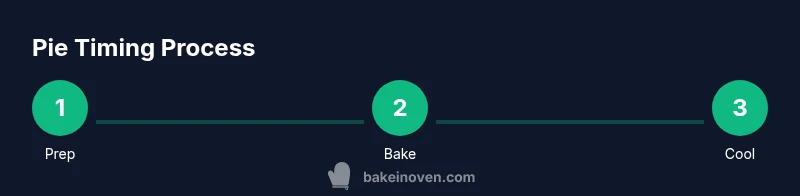
If you’re working with a single oven, you’ll benefit from a practical, staggered timeline. Start by preHEATING early, then allocate blocks for crust prep and blind baking, followed by filling and final bake. A well-planned schedule considers cooling time and potential delays from crust chilling or filling prep. When you visualize the day as a chain of timing blocks rather than a single burst of activity, you minimize bottlenecks and oven conflicts. The result is a calmer kitchen and pies that come out with consistent texture across the board.
Step-by-Step Timing Framework
A reliable framework breaks the day into four stages: prep, par-bake, fill-and-bake, and cool-and-serve. Stage one covers dough, equipment setup, and mise en place. Stage two handles blind baking for crusts that require it, with timing that preserves structure. Stage three adapts to whether you bake fillings together or separately, ensuring each pie reaches the proper doneness. Stage four focuses on cooling, storage, and final assembly for serving. This structure keeps the workflow predictable and reduces the risk of underbaked centers or overcooked tops.
Prep Ahead: Dough, Chill, and Freeze
The dough is the foundation of a great pie. Prepare dough in advance and chill it well; chilling keeps gluten relaxed and hydrates the flour for a tender crust. If you’re short on time, you can roll and freeze dough discs for later use, then thaw just before rolling. When planning when to bake thanksgiving pies, factor in the time for chilling, chilling times can range from a minimum to a longer rest if your kitchen runs warm. This flexibility helps you assemble a cohesive pie lineup without rushing.
Troubleshooting Common Timing Issues
If the crust browns too quickly, shield the edges with foil or parchment to prevent burning while the centers continue to bake. If the filling looks set at the edges but not in the middle, give it extra rest on a rack to finish setting as it cools. An oven with hot spots can cause uneven results; rotate pans halfway through baking. When determining when to bake thanksgiving pies, remember that resting and cooling are as important as the bake itself. Proper cooling prevents weeping and helps the filling set for clean slices.
Final Prep: Serving and Storage Tips
Once baked and cooled, store pies appropriately to preserve texture and flavor. Custard and meringue pies keep best refrigerated; fruit pies often tolerate room temperature for a short period but benefit from refrigeration for longer storage. For guests, a slice that’s cooled and rested will cut cleaner and preserve the pie’s structure. The goal is to be ready for serving with minimal last-minute adjustments. The Bake In Oven team recommends documenting your schedule after the holiday so you can refine your timing for next year.