Bake Potatoes Without Foil: Complete Step-by-Step Guide
Learn to bake potatoes without foil for ultra-crisp skins and fluffy interiors. This step-by-step guide covers prep, temps, timing, toppings, and safe handling for perfect foil-free baked potatoes every time.


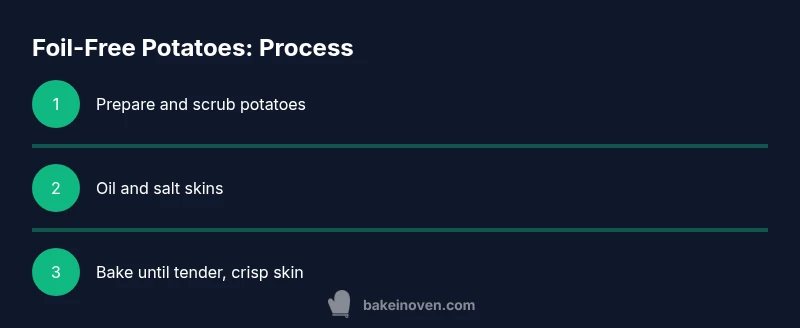
Cooking potatoes without foil yields a fluffy interior with a crisp, wrinkled skin when you follow a few reliable steps. Start with dry, scrubbed potatoes, rub with a light coating of oil and kosher salt, and bake in a hot oven until tender. For best texture, avoid sealing them and let the steam escape during roasting.
Why bake potatoes without foil
Baking potatoes without foil is a simple technique that produces a crisp, wrinkled skin and a light, fluffy interior. The lack of foil allows heat to circulate and the potato's own moisture to evaporate more efficiently, creating that signature skin texture many home bakers crave. This method also minimizes steam inside the potato, helping the center dry just enough to stay tender without becoming dry or mealy. For best results, start with dry potatoes, a light oil coating, and a hot oven. In this guide from Bake In Oven, we walk you through practical steps, common mistakes to avoid, and topping ideas that elevate the finished dish.
Potato selection and prep
The right potato variety makes a big difference. Russet potatoes are typically preferred for foil-free baking because their high starch content yields a fluffy interior when roasted. Choose potatoes that are firm, evenly shaped, and free of bruises. Wash thoroughly under cold water and dry completely with a clean towel; moisture on the surface can hinder crisping. Prick several small holes in the surface with a fork to vent steam as they bake, especially if you plan to bake multiple potatoes at once. A light coating of oil (olive or neutral oil) and a pinch of coarse salt before roasting helps draw out surface moisture and promote a crisp skin.
Temperature and time: what’s optimal
Preheating to a hot oven ensures the skin crisps quickly while the interior cooks through. A common target is 425°F (220°C). Bake times vary with potato size, typically 45-60 minutes for medium potatoes; larger spuds may require up to 75 minutes. To test for doneness, insert a fork or skewer into the thickest part—gentle resistance indicates tenderness. If the fork slides in with little effort, you're ready to remove from the oven. Let them rest briefly before serving to redistribute the internal moisture and avoid steam burns.
Drying, oiling, and skin texture tips
Pat the potatoes dry after washing, then brush lightly with oil and sprinkle with coarse salt. The oil isn't a thick layer; a thin coating is enough to promote browning and crispness. Elevate potatoes on a wire rack or directly on a parchment-lined sheet with space between them to improve air circulation. Turning once during baking helps achieve uniform color and texture on all sides. For even browning, consider using a shallow rimmed sheet so heat can circulate beneath the potatoes.
Convection vs conventional oven: how they differ
Convection ovens circulate hot air with a fan, typically reducing baking time by 5-15 minutes and producing crisper skins. If you're using convection, lower the temperature by about 25°F (14°C) or reduce the baking time slightly and watch closely. In a standard oven, heat surrounds the potato more evenly but may require a few extra minutes. Either way, avoid overcrowding so each potato has space for air to flow freely.
Flavor, toppings, and finishing touches
After baking, slice a slit down the top and gently squeeze to fluff the interior. Add a pat of butter, a dollop of sour cream, shredded cheese, or chives to finish. If you like a smoky note, sprinkle paprika or cracked black pepper. For heartier toppings, serve alongside a simple herb butter or garlic-infused oil. The foil-free method is especially forgiving, allowing you to experiment with toppings while keeping the potato skin crisp.
Troubleshooting: common issues and fixes
If the skin isn't crisp, double-check that the potatoes were patted dry and not crowded on the baking sheet. A shorter cook time with a higher oven heat can help; conversely, if the center is underdone, finish with a few extra minutes or finish by placing potatoes on a rack near the top of the oven. Avoid wrapping in foil, which can trap steam and soften the skin. For very large potatoes, consider pre-cutting a shallow cross to help heat penetrate.
Microwave pre-start and oven final roast (optional)
For those pressed for time, a quick microwave start (4-6 minutes on high, per potato) can kick-start internal cooking, then transfer to a hot oven to finish and crisp the skin without foil. This method reduces total oven time while preserving the foil-free texture. If you do this, keep an eye on doneness to avoid overcooking the edges.
Safe handling, storage, and reheating leftovers
Let baked potatoes rest 5-10 minutes before serving. Store cooled potatoes in a loose, breathable bag or container in the fridge for up to 3-4 days. Reheat in a 350°F (175°C) oven or toaster oven until warmed through, then finish with a quick broil or high-heat to refresh the skin. Do not refrigerate potatoes for more than 4 days if topped with perishable ingredients.
Tools & Materials
- Russet potatoes, 4 medium(Choose large, dry-skinned with even shapes.)
- Olive oil or neutral oil(A thin coating is enough for browning.)
- Coarse salt (kosher or sea salt)(For surface seasoning and crispness.)
- Baking sheet or sheet pan(Prefer a shallow pan for even heat.)
- Parchment paper (optional)(Line pan for easier cleanup.)
- Fork or skewer(Vent steam by pricking holes.)
- Oven mitts(Handle hot items safely.)
- Wire rack (optional)(Elevates potatoes for better air circulation.)
Steps
Estimated time: 45-60 minutes total (variable by potato size)
- 1
Preheat oven and prep sheet
Set oven to 425°F (220°C) and line a baking sheet with parchment if desired. A hot start ensures crisp skin and quick interior cooking. This step establishes the roasting environment for foil-free potatoes.
Tip: Preheating fully matters—don’t rush; a cold start slows crisping. - 2
Wash and dry potatoes
Thoroughly wash each potato to remove dirt. Dry completely with a clean towel to prevent moisture from hindering browning.
Tip: Any surface moisture will steam the skin instead of browning. - 3
Prick skins to vent steam
Insert a fork into several points around each potato to allow steam to escape during roasting. This reduces the chance of a soggy center.
Tip: Don’t over-prick; a few vents are enough. - 4
Oil and salt the skins
Rub a light coat of oil over the entire surface and sprinkle with coarse salt. The oil promotes browning and the salt enhances crust texture.
Tip: A thin layer is all you need; excess oil can pool and steam the skin. - 5
Arrange with space
Place potatoes on the sheet or a wire rack with space between each potato for even heat circulation.
Tip: Crowded potatoes cook unevenly and may steam instead of roast. - 6
Bake and test for doneness
Roast 45-60 minutes, depending on size. Test with a fork; it should slide in easily with a slight resistance at the center.
Tip: If centers are stubborn, give them a few extra minutes rather than increasing heat. - 7
Rest briefly before serving
Remove from oven and let rest 5-10 minutes. Resting helps redistribute moisture for a better texture.
Tip: Handle with care—the potatoes stay hot after roasting. - 8
Serve with toppings
Slice open and fluff the inside, then add butter, sour cream, cheese, or your favorite toppings.
Tip: Fresh herbs or a pinch of paprika can elevate the flavor instantly.
Frequently Asked Questions
Can you bake potatoes without foil?
Yes. Foil-free baking yields crisper skins and a fluffier interior when done with proper heat, ventilation, and timing.
Yes. Baking without foil gives crisper skins and fluffier insides when done right.
Should I ever wrap potatoes in foil?
Wrapping traps steam and softens the skin, which is opposite your goal for crisp skins. Use foil only if you want softer skins or to retain moisture for a different dish.
Foil makes skins soft; use foil-free for crisp skins unless you need moist interiors.
What temperature is best to bake potatoes?
A hot oven around 425°F (220°C) is a common choice, balancing skin crispness with a tender center.
About 425 degrees Fahrenheit gives good crisp skin and tender centers.
Can I bake sweet potatoes without foil?
Yes. Time and temperature are similar, but sweet potatoes may take slightly longer depending on size and density.
Yes, you can bake sweet potatoes foil-free; timing may vary by size.
Why are my baked potatoes not fluffy inside?
Possible causes include insufficient drying, overcrowding, or too short a bake time. Ensure dry surfaces, space, and don’t rush the roast.
If centers aren’t fluffy, check dryness, spacing, and bake time.
Can I reheat foil-free baked potatoes safely?
Reheat in a 350°F oven until hot, then refresh the skin with a quick broil or high-heat finish.
Reheat in a moderate oven and finish with a quick high-heat crisp.
Watch Video
Key Takeaways
- Preheat to 425°F (220°C) for best skin texture.
- Dry potatoes thoroughly before oiling and roasting.
- Keep potatoes spaced to maximize air circulation.
- Avoid foil to preserve crisp skins and fluffy interiors.
- Rest 5-10 minutes after baking before serving.