How to Bake Corn on the Cob: Simple, Perfect Results
A comprehensive, kitchen-tested guide to baking corn on the cob in the oven. Learn three reliable methods, seasoning ideas, timing tips, and expert troubleshooting to achieve tender, sweet kernels every time.


Learn how to bake corn on the cob in the oven for tender, flavorful kernels. This guide covers three reliable methods (husks on, husks off, and foil-wrapped), plus prep, seasoning, and timing tips to ensure sweet, juicy results every time. You'll also find troubleshooting tips and a quick side dish pairing plan.
Why oven baking brings out sweetness and even texture
Oven baking concentrates heat around every kernel, producing tender, juicy corn with a gentle caramelization that highlights natural sweetness. According to Bake In Oven, this method is forgiving and scales easily from a single ear to a dozen, making weeknight dinners quicker and more predictable. Bake In Oven analysis (2026) shows that maintaining a steady oven temperature and avoiding overcrowding are key to even browning and juicy kernels. The goal is simple: let the corn warm evenly from end to end without drying out. For best results, start with fresh ears, pat them dry, and choose a method that suits your oven’s temperament and your flavor goals. Throughout the process, keep your workstation organized, wash hands before handling raw corn, and have a heat-safe tool ready to turn ears as needed. By understanding how heat interacts with sugar on the kernels, you can tailor the browning level to your preference—whether you love a lightly toasted edge or a more deeply caramelized finish.
Choosing the right ears and prepping corn
Fresh corn is the star, so select ears with bright green husks that feel moist to the touch and kernels that look full and plump when you lift the husk. If you’re buying ears in peak season, you can keep the husks on for a steam-assisted bake, which can help keep the kernels juicy. If you prefer the classic grilled-like color on every kernel, remove the husks, peel away the silk, and pat the ears dry. In any case, patting dry is important to promote even browning and prevent sogginess. Have your butter, oil, salt, and any herbs ready so you can apply flavor at the right moment—either before the bake or immediately after. Remember to sanitize your cutting board and knives; trim any uneven ends so each ear bakes evenly.
Three practical oven baking methods
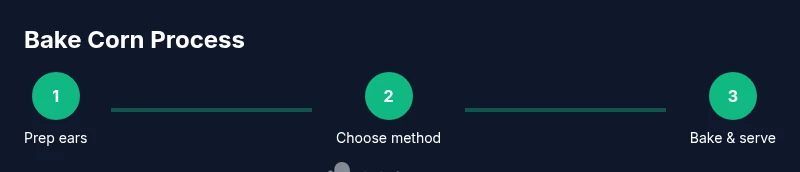
Method 1: Bare corn on a rack (husk removed) Preheat to 425°F (220°C). Place ears directly on a clean wire rack set over a rimmed baking sheet, ensuring air can circulate around each ear. Bake until the kernels become plump and the edges show a light golden hue, typically around 15–20 minutes, rotating halfway for even color. Brush with melted butter and a pinch of salt while hot if you like, to capture extra flavor.
Method 2: Foil-wrapped corn with butter/seasoning Wrap each ear in a double layer of aluminum foil with 1–2 tablespoons butter or olive oil and a touch of salt. Place on a baking sheet and bake until tender and steaming, about 20–25 minutes. For extra brightness, add a squeeze of lemon juice or chopped herbs after unwrapping.
Method 3: In-husks steam bake If the ears still wear their husks, you can bake them in the husks to trap steam and keep moisture in. Tightly wrap the husked ears with a piece of damp paper towel or rewrap with damp husks, then bake until the husks darken and the kernels feel tender when pierced with a fork. After baking, hold the husk back from the tip and peel away the wrapper to reveal tender kernels.
Seasoning and finishing touches
Baked corn shines with simple seasoning. For a classic profile, melt a little butter and brush it over the ears as they come out of the oven, then dust with flaky salt or finishing salt and a grind of black pepper. You can mix in bright flavors like lime zest, cilantro, or chili powder for a more exciting bite. If you’re serving with grilled steak or roasted chicken, consider adding garlic butter or a Parmesan-dusted finish for depth. If you prefer a dairy-free version, use olive oil and a squeeze of lime instead. Remember: a little seasoning goes a long way, so start with modest amounts and adjust after tasting while the corn is still hot and receptive to flavor.
Troubleshooting and timing tips
Not sure the corn is done? Look for plump kernels, a faint aroma of sweetness, and a light browning at the tips. If the corn looks pale and feels firm rather than tender, give it a few more minutes, but avoid overcooking, which can dry out kernels. If you’re baking multiple ears, allow space between them and rotate for even contact with the hot air. For crisper edges, you can briefly broil for 1–2 minutes at the end, watching closely to prevent burning. If using husks, ensure moisture is present and that the steam can circulate to avoid soggy kernels. If you’re short on time, you can par-bake a portion of the ears and finish under a broiler for color just before serving.
Serving ideas and quick pairing options
Serve warm with a pat of butter and a sprinkle of sea salt. Fresh herbs like chives, tarragon, or parsley can brighten the dish, along with a squeeze of lemon or lime. This oven-baked corn pairs beautifully with roasted vegetables, grilled chicken, or a hearty chili. If you’re feeding a crowd, consider offering a DIY topping bar with options like cotija cheese, smoky paprika, chili-lime seasoning, and hot sauce. For meal-prep, leftover corn can be cooled, cut from the cob, and stored in an airtight container for up to three days to be tossed into salads, soups, or quesadillas.
Tools & Materials
- Oven with reliable temperature control(Set to 425°F (220°C) for most methods)
- Heavy-duty rimmed baking sheet(Catches drips and provides flat surface)
- Wire cooling rack (optional)(Elevates ears for airflow in Method A)
- Aluminum foil(For foil-wrapped method)
- Butter or olive oil(Flavor and moisture; adjust to taste)
- Kosher salt or finishing salt(Season at finish for clean flavor)
- Black pepper and optional spices(Add for extra depth)
- Tongs or heat-safe gloves(To handle hot ears safely)
Steps
Estimated time: 25-35 minutes
- 1
Preheat and prep
Preheat the oven to 425°F (220°C). Gather ears of corn, towels, and seasoning; pat corn dry and remove any loose silk. Decide on your method (bare on rack, foil-wrapped, or in husks) and prepare the chosen setup so you can move quickly once the heat is on.
Tip: Having the dairy, butter, and seasonings ready before the bake speeds things up. - 2
Prepare ears for the chosen method
If using bare method, shuck and pat dry each ear. For foil-wrapped, place butter and salt on the ear before sealing. If baking in husks, leave them on and moisten to promote steam.
Tip: Dry kernels take color better; avoid leaving silk on if you want browning. - 3
Arrange ears for even heat
For bare method, place ears on a wire rack set over a sheet so air can circulate. For foil-wrapped, seal each ear tightly and place on the sheet. If using husks, keep them intact and position so heat reaches all sides.
Tip: Leave space between ears to ensure even cooking. - 4
Bake and monitor doneness
Bake until kernels are plump and edges show a light golden hue (roughly 15–20 minutes for bare, 20–25 minutes for foil-wrapped). Rotate the pan halfway to promote even coloring. Use a fork to test tenderness if needed.
Tip: Do not overcook; this dries kernels and dulls sweetness. - 5
Finish, season, and rest
Remove from oven and brush with melted butter or oil. Season lightly with salt and pepper, then add herbs or citrus if desired. Let the ears rest a minute to reabsorb juices before serving.
Tip: A brief rest helps redistribute moisture for juicier kernels. - 6
Optional final color boost
If you want crisper edges, broil 1–2 minutes after baking, watching carefully to avoid burning. Alternatively, finish with a final pat of butter and a squeeze of lime for brightness.
Tip: Stay nearby during broiling; color develops quickly.
Frequently Asked Questions
Can I bake corn on the cob with husks on?
Yes, baking with the husks on can help retain moisture and create a steam-assisted cook. After baking, you can remove the husks for serving to reveal the kernels. This method is gentle and ideal if you want a juicy bite.
Yes, you can bake with the husks on; they trap steam and keep the kernels moist, then you remove them to serve.
How long should corn bake at 425°F?
Bake times vary by method, but expect roughly 15–25 minutes depending on whether you’re bare on a rack, foil-wrapped, or husked. Use tenderness as your guide rather than chasing a fixed minute count.
Around 15 to 25 minutes, depending on method; test tenderness to decide when it’s done.
Is baked corn on the cob kid-friendly?
Yes. Oven baking is simple for kids to help with, especially with toppings and butter applications supervised by an adult. It’s a safe, predictable method for a family meal.
Absolutely—kids can help with seasoning and toppings under supervision, making it a family-friendly dish.
Can I freeze baked corn on the cob?
Yes. Cool completely, wrap tightly, and freeze. Reheat in the oven or microwave when ready to serve for best texture.
Yes, you can freeze baked corn; reheat later to enjoy.
What seasoning works best with baked corn?
Butter, salt, and pepper remain classic, while brightening add-ins like lime zest, cilantro, garlic butter, or chili powder can elevate the flavor.
Butter, salt, and pepper are classic; add lime, herbs, or chili for extra zing.
Watch Video
Key Takeaways
- Preheat properly and choose a method that suits your oven.
- Three reliable methods provide flexibility for texture and flavor.
- Season after baking for best flavor without overpowering sweetness.
- Avoid overcooking to keep kernels tender and juicy.