What Temperature to Bake Pumpkin Seeds: A Practical Guide
Learn the exact oven temperature for roasting pumpkin seeds, plus timing, convection tips, seasoning ideas, and storage guidance for perfectly crisp, flavorful results every batch.


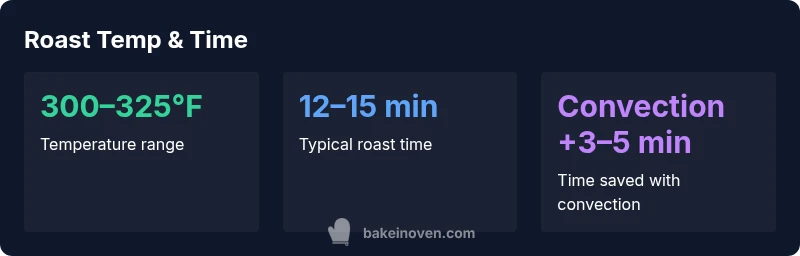
To bake pumpkin seeds, start at 300–325°F (150–165°C). For a milder roast with even browning, aim toward 300°F; for crisper, more roasted seeds, go to 325°F. Typical total time ranges from 12 to 15 minutes, shaking halfway, with the seeds becoming fully glossy and fragrant when done. Adjust for your oven performance and seed size; smaller seeds roast faster.
Why Temperature Matters for Pumpkin Seeds
Temperature controls moisture loss, Maillard browning, and oil uptake, all of which determine texture and flavor. When you answer what temperature to bake pumpkin seeds, you’re balancing speed against even browning and a crisp finish. Oven heat also interacts with seed size and whether you’re using a thin sheet or a heavy baking tray. In practice, the most reliable starting point is a moderate heat that allows consistent moisture evaporation and surface browning without scorching. This is especially important for home bakers who rely on a standard kitchen oven where hot spots are common. By understanding how heat affects pumpkin seeds, you can tailor the roast to your preferred level of crunch and toast. Remember to preheat and keep the oven door closed as you monitor progress for best results.
The Ideal Temperature Range and How It Affects Texture
For most home ovens, a safe and effective range for roasting pumpkin seeds is 300–325°F (150–165°C). At the lower end of this range, seeds develop a gentle, even brown with a mild toasty aroma and a soft inner bite. Pushing toward 325°F increases quick evaporation of surface moisture, creating a crisper exterior and a lighter crackle when you bite in. Times will typically fall in the 12–15 minute window, but exact results vary with seed size, oil amount, and tray load. If you prefer a darker roast with stronger roasted notes, you can experiment with 325–350°F for a shorter period, watching closely to avoid burning. The key is to find the balance that yields the crunch you want while preserving the nutty pumpkin flavor.
Convection vs Conventional Oven: Do You Need a Fan?
Convection ovens transfer heat more efficiently, which accelerates browning and reduces roasting time. If you’re using convection, you can start closer to 300°F and monitor for 12–14 minutes. Non-convection (conventional) baking typically requires a touch more time, often 13–15 minutes at 300–325°F with a mid-rack placement. Regardless of the method, spread seeds in a single, even layer with ample space between them to prevent steaming. Shake the pan halfway through to promote uniform browning and to ensure seeds on the edges don’t burn while those in the center finish cooking. If you notice uneven browning, rotate the pan or switch to a lighter pan to reflect heat away from hotter spots. By understanding how convection affects roasting, you can tailor the process to your oven’s quirks and achieve consistent texture.
How to Prep Seeds for Even Roasting
Preparation sets the stage for a successful roast. Rinse pumpkin seeds to remove any pulp, then pat them completely dry—the moisture inside seeds can steam and soften results if left damp. Remove large hull fragments if you want a very clean bite, though this step is optional. Toss seeds with a light coat of oil (if used) and a pinch of salt or your favorite spices. Use parchment paper or a silicone mat to minimize sticking and bottom browning. Spread seeds in a single layer, not crowded, on a chilled sheet if possible to help them dry out slightly before heat. Allowing surface moisture to evaporate before baking yields crispier seeds. Finally, preheat your oven and have your timing plan ready so the first seeds hit the heat at the right moment.
Step-by-Step Roasting Guide (With Timings)
- Preheat oven to 300–325°F (150–165°C) and line a baking sheet with parchment paper. 2) Rinse and dry seeds completely, then toss with 1–2 teaspoons of oil per 8 ounces of seeds and add salt or spices if desired. 3) Spread in a single, even layer, giving each seed space to breath. 4) Bake for 12–15 minutes, depending on heat level and convection. 5) Shake the pan halfway through to promote even browning. 6) Check color and aroma—seed skins should be pale to golden with a toasted fragrance. 7) Remove when just crisp and fragrant; cool completely before tasting, as seeds continue to crisp slightly as they cool. Storing tips: keep in an airtight container after cooling.
Flavor and Oil: Seasoning Options for Maximum Crunch
Oil helps with browning and flavor, but it isn’t strictly necessary. If you skip oil, seeds may roast more slowly and cling less to the pan. For oil-based roasting, a light coat is enough. Classic salt is a must, but you can explore spice blends such as garlic powder, paprika, cumin, chili powder, cinnamon, or brown sugar for a sweet-savory profile. For parmesan or nutritional yeast, apply after roasting to avoid burning the cheese during heat. If you’re watching calories, try a spray of oil or a measured teaspoon per batch, adjusting to your preferred level of crunch. After roasting, you can toss with fresh herbs or a squeeze of lime juice to brighten flavors.
Troubleshooting Common Issues
If seeds brown unevenly, rotate the pan or switch to a light-colored sheet to reflect heat. Burning tips: edges can burn quickly if the oven runs hot; reduce temperature by 25°F (15°C) and extend time by a few minutes. For soggy seeds, ensure you dry seeds thoroughly and avoid crowding the pan. Mistaking moisture for doneness: tasting early can be misleading; rely on color and aroma. If seeds taste bland, consider a small amount of salt or a spice blend added halfway through roasting rather than at the start to prevent seasoning from burning.
Recipe Variations and Substitutions
For hulled pumpkin seeds (pepitas), the roasting approach remains similar, but you might notice faster browning due to their smaller moisture content. You can flavor seeds with chili lime, garlic herb, or smoky paprika. If you’re short on time, you can use pre-peeled or pre-toasted seeds, but expect milder flavor or a different texture. For nut-free crunch, try a small grind of sesame seeds along with pumpkin seeds for added texture and depth. You can pair roasted seeds with yogurt or salads for a crunchy contrast. For vegan options, skip butter; use olive oil or avocado oil for higher smoke points.
Serving, Storage, and Reheating Tips
Let roasted seeds cool completely on a rack before storing. Transfer to an airtight container; they stay at room temperature for about a week. For longer storage, refrigerate or freeze to maintain crunch. Reheat briefly at 300°F for 2–4 minutes to refresh the texture, or toast again in a dry skillet for extra crispness. Serve pumpkin seeds as a snack, garnish for salads, or toppers for soups.
Roasting parameter matrix for pumpkin seeds
| Temperature (F) | Time (min) | Convection | Result |
|---|---|---|---|
| 300 | 12-15 | No | Milder roast with even browning |
| 325 | 12-15 | Yes | Crisper finish, deeper roast |
| 350 | 10-12 | Yes | Very crispy with darker edges |
| 280 | 14-18 | No | Gentle roast, softer texture |
Frequently Asked Questions
Do I need to soak pumpkin seeds before roasting?
Soaking is not required. Rinse, pat dry, and dry-roast to ensure crispness. Soaking can add moisture and lengthen roasting time, which may lead to uneven browning.
No soaking necessary; just rinse and dry, then roast.
Should I use oil when roasting pumpkin seeds?
A small amount of oil helps with even browning and flavor. Toss seeds with 1–2 teaspoons of oil per 8 ounces of seeds, then season.
Yes, a little oil helps the seeds brown evenly.
Is convection baking better for pumpkin seeds?
Convection speeds up roasting and promotes even browning, but you may need to shorten the time by 3–5 minutes and watch closely to prevent burning.
Yes, convection can help, just keep an eye on them.
What color indicates the seeds are done?
They should be light golden and glossy with a toasted aroma. If edges darken quickly, reduce heat or switch to a lower rack.
Look for a light golden color and a rich aroma.
Can I flavor pumpkin seeds before roasting?
Yes; you can add salt, paprika, garlic powder, cumin, or cinnamon before roasting. Use spices sparingly to avoid overpowering the nutty flavor.
Season before roasting, but don’t overdo it.
How should I store roasted pumpkin seeds?
Let seeds cool completely, then store in an airtight container. They stay at room temperature for up to a week, or refrigerate/freezer for longer.
Cool completely and store in an airtight container.
“Temperature control is the single most important variable for roasting pumpkin seeds; use the 300–325°F range for even browning and crisp texture.”
Key Takeaways
- Start with 300–325°F for best balance of speed and crispness
- Shake halfway to promote even browning
- Convection reduces time; adjust by 3–5 minutes
- Seed size affects timing; smaller seeds roast faster
- Monitor color and aroma to stop when glossy and fragrant