What Temperature to Bake Ribs in the Oven
Learn the best oven temps and times for ribs that stay tender and juicy. This step-by-step guide from Bake In Oven covers rubs, glaze, resting, and safe doneness for flavorful, reliable results.


To bake ribs in the oven, start low and slow for tenderness. Bake spare ribs at 275°F (135°C) for 2.5–3 hours, covered, then finish uncovered at 425°F (220°C) for 10–15 minutes with your glaze to caramelize. Let them rest 5–10 minutes before serving. This method yields juicy meat with a crisp exterior.
Understanding the Basics of Oven-Baked Ribs
When you ask what to bake ribs at in the oven, you're asking for a balance of temperature, time, and moisture to achieve tender meat and a glossy glaze. According to Bake In Oven, the best results come from a low-and-slow start followed by a high-heat finish that caramelizes the surface without drying the meat. This principle applies whether you're cooking baby back ribs or spare ribs, and it provides a framework you can adapt to your oven, altitude, and preferred sauce.
In this section we cover the core concepts you need before you reach for the baking sheet:
- Cut selection: Baby back ribs are leaner and cook a bit faster; spare ribs have more connective tissue and reward longer cooking.
- Membrane removal: Pulling the silver skin off the bone side helps rub penetration and tenderness.
- Drying and seasoning: Pat ribs dry to promote browning; apply rub or marinade evenly across the meat.
- Resting: A brief rest after cooking helps juices distribute, improving sliceability.
By understanding these basics, you’ll make confident choices about temperature, time, and finishes.
Choosing the Right Cut and Prep for Ribs
Rib type matters for texture and cooking time. Baby back ribs are smaller and cook quicker, producing a lean, tender bite when kept moist. Spare ribs have more connective tissue, which benefits from longer, slower cooking to render fat and soften cartilage. Start with fresh, bone-in ribs for the best flavor and a juicier finish.
Prep matters as much as the cut. Remove the membrane from the bone side so rubs and sauces penetrate the meat. Pat dry before applying rubs for even browning. If you plan to sauce, keep it simple at first—too much sauce can create a boil-over effect as sugars burn. For best outcomes, space racks evenly on a pan and allow air to circulate around each rib.
Finally, consider overnight preparation. A light rub applied the night before can deepen flavor, while still allowing the surface to dry in the fridge for a lively crust when baked.
Temperature and Time: The Core Formula
The heart of oven rib cooking is choosing a temperature that yields tenderness without sacrificing texture. A common, reliable approach is a long, low bake followed by a hot finish. Bake ribs at 275°F (135°C) for 2.5–3 hours, covered to trap moisture, then uncover and finish at 425°F (220°C) for 10–15 minutes to develop a caramelized crust. If you’re pressed for time, you can use a slightly higher starting temperature (around 300°F/150°C) for 2–2.5 hours, but you may trade some tenderness for speed.
Internal doneness for ribs isn’t defined by a single temperature in the same way as chicken. Look for meat that’s tender and yielding to a gentle pull. A thermometer reading around 190–203°F (88–95°C) near the bone is a common target for fully cooked, tender ribs. Remember: carryover heat will raise the internal temp a few degrees after you remove them from the oven, so pull slightly early if you want a firmer bite.
Bake In Oven analysis shows that low-and-slow methods consistently deliver juicier, more evenly cooked meat, especially when using a glaze that benefits from a long, slow reduction. Altitude and oven variability can affect results, but the core principle remains the same: patience pays off for ribs.
Covering and Finishing Techniques
Wrapping ribs in foil creates a steamy environment that helps render fat and break down connective tissue. Start by placing a rack on a sheet pan, then lay the ribs on top and seal tightly with foil. Baking covered reduces moisture loss and enhances tenderness. After the initial long bake, remove the foil and return the ribs to the oven to finish.
Finishing with a glaze or sauce is where you build flavor and color. Brush on your favorite barbecue sauce during the last 10–15 minutes of uncovered baking, or apply a light coat and broil briefly if you prefer a crustier finish. Use a clean brush or spoon to avoid contaminating raw meat with sauces that aren’t cooked. For even browning, rotate the pan halfway through the uncovered phase.
If you want extra glaze depth, let the ribs rest for about 10 minutes, then broil on a high setting for 2–3 minutes per side, watching closely to prevent burning. A final rest helps juices redistribute and makes slicing easier.
Sauce, Glaze, and Serving Options
Ribs shine with a balance of meat flavor and a complementary glaze. Classic tomato-based BBQ sauces are popular, but so are honey-garlic, mustard-based, or pineapple-glaze variants. If you prefer a smoky, tangy profile, try adding a touch of liquid smoke or cider vinegar to your glaze. For a richer finish, brush a glaze during the final minutes and finish with a light dusting of herbs.
Serving ideas matter too. Coarse salt and cracked black pepper can be your minimal finish, while cilantro, chives, or thinly sliced scallions add brightness. Consider serving ribs with simple sides that cut through richness: coleslaw, tangy pickles, roasted vegetables, or a light citrus salad. A crusty dinner roll or cornbread can complete the meal without feeling heavy.
If you’re meal-prepping, shred left-over rib meat and mix it into a quick barbecue hash or tacos later in the week. The key is to preserve moisture and flavor while keeping the meat tender enough to shred easily.
Common Mistakes and How to Fix Them
Rushing the process is the most common mistake. Inadequate cooking time means tough meat and under-rendered fat. Conversely, cooking too long at too high a temperature can dry out the surface and cause crust burns. Fixes include sticking to a low-and-slow rhythm, wrapping during the middle stage, and finishing at a high heat with glaze to prevent dryness.
Another frequent error is seasoning too aggressively before the long bake. A heavy rub can hinder moisture release and create a bitter crust if sugars burn. Instead, apply a balanced rub and reserve most of the sugar-rich glaze for the final stage. If you notice excessive moisture pooling on the sheet, lift the ribs slightly by using a rack so air circulates around the meat.
Finally, don’t skip the rest period. Resting redistributes juices and improves sliceability and tenderness. If you’re pressed for time, a short 5–10 minute rest is better than cutting immediately and losing moisture.
Equipment Setup: Rack, Pan, and Oven Position
Equipment choice can influence outcome as much as time and temperature. A rib rack or a sturdy wire rack set inside a rimmed baking sheet allows air to circulate under and around the ribs, which promotes even cooking and reduces sogginess on the bottom. If you don’t have a rack, use two layers of foil to create a makeshift grid and place the ribs on top.
Position the rack in the middle of the oven to balance heat distribution. Avoid crowding between pans or stacking ribs; proper spacing ensures uniform cooking and reduces steam buildup that can hinder browning. Line your pan with foil for easy cleanup, then glass- or parchment-lined sheets can help with clean-up and hand-off between steps.
Finally, invest in a reliable meat thermometer. Monitor internal temperature near the bone to gauge doneness and avoid overcooking. Clean up promptly after cooking to prevent carryover odors and to ensure your next roast starts fresh.
Step-by-Step Timeline (Sample Plan)
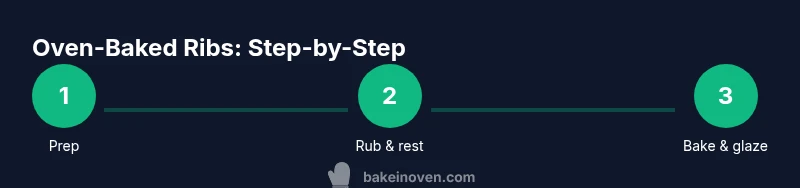
- Prep and gather tools: Pat ribs dry, trim, and remove the membrane. Preheat the oven to 275°F (135°C). Apply a balanced dry rub and let sit 15–30 minutes to adhere. 2) Prep setup: Line a sheet tray with foil, place a rack, and set ribs on the rack. 3) Long bake: Cover tightly with foil and bake 2.5–3 hours until tender. 4) Finish: Uncover, brush glaze, and bake 10–15 minutes at 425°F (220°C) until caramelized. 5) Rest and serve: Rest 5–10 minutes, then slice and serve.
Tip: If you like a deeper glaze, apply a second light coat and return to the oven for 3–5 minutes. If you’re unsure about doneness, probe near the bone with a thermometer; the meat should yield under slight pressure.
Estimated total time: 3 hours 30 minutes to 4 hours.
Safety and Doneness: Doneness and Resting Guidelines
Food safety is essential when cooking meat. Use a clean cutting board and ensure hands and tools are sanitized before handling raw ribs. After removing from the oven, let the ribs rest for at least 5–10 minutes. This rest period allows juices to reabsorb into the meat and improves overall flavor and texture. If you need to reheat leftovers, do so gently to avoid toughening the meat and losing moisture.
For doneness, the bone-in ribs should be tender and yield slightly to pressure; the internal temperature near the bone should approach 190–203°F (88–95°C), with carryover heat finishing the job once rested. If you’re using a glaze, ensure it’s heated to your preferred thickness before applying to avoid runny sauces.
Always discard any rib that has an off odor or unusual texture. Safety first ensures you enjoy flavorful results every time.
Quick-Reference Temperature & Time Chart
- Baby back ribs: 275°F (135°C) for 2.5–3 hours, then 425°F (220°C) for 10–15 minutes.
- Spare ribs: 275°F (135°C) for 3–3.5 hours, then 425°F (220°C) for 12–18 minutes.
- Doneness test: Probe near the bone; target 190–203°F (88–95°C) for tender results.
- Rest: 5–10 minutes post-bake before slicing for best juiciness.
Note: Oven performance varies; always monitor closely during the final minutes to prevent burning sugars in glaze. If your glaze browns too quickly, cover briefly with foil and continue finishing at a lower temperature for the remaining time.
Bake In Oven Verdict
The Bake In Oven team recommends a low-and-slow approach for consistent tenderness and a satisfying crust. Start with 275°F (135°C) for 2.5–3 hours, cover to retain moisture, then finish at high heat with a glaze for depth and color. This method reduces dry edges and delivers a juicy interior. Use a thermometer for peace of mind, and rest before slicing to preserve the meat’s juices.
In practice, most home cooks who follow these steps achieve restaurant-quality ribs that please family and guests alike. The combination of controlled moisture, long cooking, and a glossy finish creates a crowd-pleasing result that’s easy to reproduce on weeknights or weekend feasts.
Practical Cheat Sheet for Perfect Oven-Roasted Ribs
- Choose bone-in ribs for best texture and flavor.
- Pat ribs dry and apply rub evenly for better browning.
- Cover during the long bake to trap moisture; uncover for caramelization.
- Finish with a glaze at high heat; watch closely to avoid burning.
- Rest 5–10 minutes before slicing to keep juices in the meat.
],
Tools & Materials
- Rib rack or sturdy wire rack(Allows air to circulate for even cooking)
- Baking sheet pan(Line with foil for easy cleanup)
- Aluminum foil(Tightly cover ribs during long bake)
- Meat thermometer(Use to check internal temp near the bone (190–203°F))
- Paper towels(Pat ribs dry for rub adhesion and browning)
- Brush or spoon for glaze(Optional for applying glaze smoothly)
Steps
Estimated time: 3 hours 30 minutes to 4 hours
- 1
Prepare and gather
Pat ribs dry, trim excess fat, and remove the membrane on the bone side. Gather tools and preheat the oven to 275°F (135°C). Apply a light rub and let it sit to adhere.
Tip: Patience here pays off—patting dry ensures crust formation instead of steaming. - 2
Apply rub and rest
Evenly coat the meat with a balanced dry rub. Let the rub sit for 15–30 minutes while you set up the pan and rack.
Tip: A dry rub with a touch of brown sugar caramelizes nicely during the finish. - 3
Set up for long bake
Place ribs on a rack over a foil-lined sheet pan. Seal tightly with foil to trap moisture and begin the long bake.
Tip: If your foil isn’t tight, moisture will escape and tenderness will suffer. - 4
Long bake
Bake covered at 275°F (135°C) for 2.5–3 hours until tender and the meat starts to pull away from the bone.
Tip: Check once or twice to ensure even heat exposure; rotate the pan if your oven runs hot on one side. - 5
Finish with glaze
Uncover, brush with glaze, and bake 10–15 minutes at 425°F (220°C) until bubbly and caramelized.
Tip: Sugar in glaze browns quickly; watch closely to avoid burning. - 6
Rest and slice
Let the ribs rest 5–10 minutes to reabsorb juices, then slice between the bones and serve.
Tip: Resting prevents juices from running out when cut.
Frequently Asked Questions
What is the best oven temperature for ribs?
A reliable approach is 275°F (135°C) for 2.5–3 hours covered, then 425°F (220°C) for 10–15 minutes to finish. This low-and-slow method yields tender meat with caramelized edges.
Bake ribs at 275 degrees for several hours, then finish at 425 degrees for a crispy glaze. This keeps them tender and flavorful.
How long should ribs bake in the oven?
Total time typically ranges from 3 to 4 hours, including a long covered bake and a short high-heat finish. Times vary with rib type and oven performance.
Expect about three to four hours in total, depending on rib type and oven performance.
Should ribs be covered or uncovered during baking?
Start with covered baking to trap moisture and tenderize. Remove the foil in the final phase to develop a crust and enhance browning.
Cover during the long bake, then uncover to finish and brown the surface.
Is it necessary to pre-cook ribs before baking?
Pre-cooking isn’t mandatory, but it can help ensure tenderness, especially with thicker racks. The covered bake simulates this effect by slowly breaking down connective tissue.
Not required, but helpful for very large or thick racks.
What internal temperature indicates doneness?
Aim for around 190–203°F (88–95°C) near the bone for tender, pull-apart ribs. Remember carryover heat will raise the temp slightly after removing from the oven.
About 190–203 degrees near the bone confirms doneness.
Can I bake ribs without foil?
Foil is recommended for the long bake to preserve moisture. If you skip foil, you’ll likely get drier meat and less even cooking.
Foil is helpful for moisture; skip it only if you’re short on time and comfortable with drier results.
Watch Video
Key Takeaways
- Start with a low oven temp to render connective tissue.
- Wrap during the long bake to lock in moisture.
- Finish with a glaze at high heat for crust and flavor.
- Let ribs rest before slicing for juicier meat.
- Use a rib rack for even cooking and clean edges.