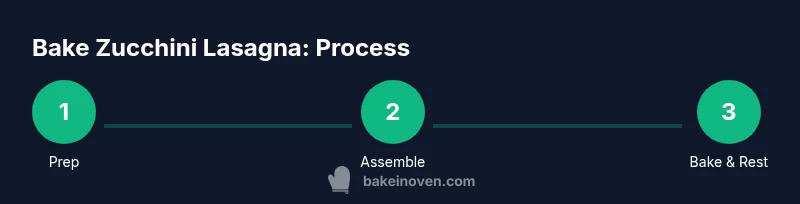
What to bake zucchini lasagna at: A practical oven guide
Learn the exact oven temperature to bake zucchini lasagna at for tender layers and golden edges. This Bake In Oven guide covers conventional and convection ovens, timing, moisture control, and practical tips for perfect sheet thickness.


By the end, you’ll know exactly what temperature to bake zucchini lasagna at for a tender, noodle-free result. The guide covers conventional and convection ovens, suggested bake times, and how to adjust for thickness and fillings. Follow these steps to achieve creamy layers without soggy edges.
Why Oven Temperature Matters
Your zucchini lasagna will only reach its ideal texture when the oven temperature is precise. If the heat is too low, zucchini moisture can pool and the sauce can separate, leaving you with a watery center. If it's too high, cheese can burn and the edges may harden before the zucchini has a chance to set into tender ribbons. According to Bake In Oven, achieving a stable bake involves balancing moisture, thickness, and vessel heat capacity. In practice, most home cooks aim for a steady 375-400°F (190-205°C) depending on their oven and sheet size. You’ll learn how to adjust within that range based on whether you’re using conventional or convection heat, and how to account for layers that vary in thickness. Understanding heat flow in a casserole helps you predict how long the top layer browns and when the center becomes creamy rather than dense. With the right temperature mindset, zucchini lasagna becomes a reliable weeknight hero rather than a flaky experiment.
Prep Before Baking: Zucchini, Sauce, and Cheese Choices
Before you assemble, prepare every component so the bake goes smoothly. Slice zucchini to a uniform thickness of about 1/4 inch so layers cook evenly and moisture releases predictably. Salt the slices lightly and blot away excess water to reduce sogginess, unless you prefer to skip salting and rely on moisture control from the sauce. Choose a light ricotta or cottage cheese mixture with a touch of egg and herbs to create creamy layers without tipping the dish toward heaviness. Use a bright tomato sauce with garlic and basil, or a roasted marinara for deeper flavor. For the cheese, a blend of mozzarella for melt and parmesan for finish gives classic lasagna character while keeping zucchini as the star.
As you assemble, keep each layer thin and even. The goal is balance: enough sauce to hydrate the zucchini, enough cheese to emulsify, and enough heat to set the eggs and cheeses without drying the edges. If you prefer a leaner version, swap in part-skim ricotta and reduce cheese on top while ensuring the dish still browns attractively.
Temperature Variations: Conventional vs Convection Ovens
Conventional ovens rely on radiant heat from the elements, while convection ovens circulate hot air with a fan. This difference can speed baking and promote browning, but it also requires adjustments. With convection, you can lower the oven temperature by about 25°F (14°C) and check for doneness sooner, as the circulating air dries the surface and browns faster. If you’re using a conventional oven, lean toward the middle or upper-middle rack to promote even browning and use a foil cover during the initial bake to trap moisture. If you detect too much moisture or a pale top in a conventional oven, you can uncover for the final 10–15 minutes to encourage browning while avoiding scorching the edges. Understanding these nuances helps you tailor the bake to your equipment and dish size.
Achieving Creamy, Layered Texture: Techniques and Tips
Texture is the heart of a good zucchini lasagna. The filling should be creamy and cohesive, while the zucchini layers remain tender, not mushy. A neutral ricotta mix with egg helps bind the layers and set gently as it bakes. Avoid over-wetting the zucchini; blot well and consider a light salt-forward prep that draws out moisture. Layer thickness matters: aim for consistent slices and even distribution of sauce and cheese so every bite has a creamy bite with a slight chew. If you use store-bought sauce, simmer it briefly to concentrate flavor and reduce excess liquid. A final sprinkle of parmesan and a brief rest after baking lets the cheese firm up, making slicing cleaner and servings neater.
Common Mistakes and How to Fix Them
Overlapping layers can trap moisture, turning the dish soggy. Under-thick zucchini slices can lead to uneven cooking. If your top browns too quickly, cover with foil to protect it, then finish uncovered. If moisture pools in the center, reduce sauce liquid or bake longer at a lower temperature. Resting the lasagna for 10–15 minutes after baking helps the layers settle and makes slicing easier. Finally, ensure your baking dish is large enough so the layers have space to set rather than pressing against the sides, which can squeeze out moisture and create a dense center.
Tools & Materials
- Zucchini (medium to large)(Thinly sliced lengthwise into 1/4-inch strips or rounds)
- Ricotta cheese or full-fat cottage cheese(Approx 1 cup per layer)
- Shredded mozzarella(For melt and browning)
- Parmesan cheese(Grated for finishing and flavor)
- Tomato sauce or marinara(Low-sugar variety works best)
- Olive oil(Lightly oil the dish to prevent sticking)
- Baking dish (9x13 inch or similar)(Glass or metal, 2-3 inches tall)
- Parchment paper or foil(To cover during the first bake if needed)
- Salt and pepper(Season zucchini and sauce)
- Blotting paper or cloth(Optional for extra moisture removal)
Steps
Estimated time: 60-75 minutes
- 1
Gather and preheat
Collect all ingredients and preheat the oven to 375–400°F (190–205°C). This ensures a smooth bake with consistent heat from the start.
Tip: Preheating saves time and helps the top layer brown evenly. - 2
Prepare zucchini
Slice zucchini to uniform thickness and lightly salt to draw out moisture. Pat dry with paper towels to reduce excess liquid.
Tip: Moisture control prevents a soupy lasagna. - 3
Make ricotta filling
Stir ricotta with an egg, garlic, and herbs until smooth. This binds the layers and keeps the center creamy.
Tip: Egg helps set the filling during baking. - 4
Assemble first layer
Spread a thin layer of sauce in the baking dish, then add a layer of zucchini ribbons.
Tip: Keep layers thin and even for uniform cooking. - 5
Add cheese and sauce layers
Spoon ricotta filling, drizzle sauce, and sprinkle mozzarella and parmesan. Repeat until you reach the top, ending with cheese.
Tip: Finish with a generous cheese layer for browning. - 6
Cover and bake
Cover with foil and bake for 25–35 minutes, then uncover and bake 10–15 minutes more until the top is golden.
Tip: Lid traps moisture early; uncover to brown the top at the end. - 7
Check doneness
Center should register 165°F (74°C) and be set with a slight jiggle. If not, bake a bit longer.
Tip: Use a knife to test the center for clean slices. - 8
Rest and serve
Let the lasagna rest 10–15 minutes before slicing. Resting helps cut cleanly and improves texture.
Tip: Resting prevents the cheese from sliding when plated.
Frequently Asked Questions
What’s the best oven temperature for zucchini lasagna?
Aim for 375–400°F (190–205°C). Use convection to reduce time by monitoring; conventional ovens may require a touch more time. Adjust based on your dish size and zucchini thickness.
Set the oven to 375 to 400 degrees and monitor for doneness; convection can reduce bake time.
Should I salt zucchini or pre-cook it?
Salting helps draw moisture, and blotting reduces sogginess. Pre-cooking is optional if you blot well and use a sauce that isn’t overly liquid.
Salt and blot the zucchini to remove moisture; pre-cooking isn’t required if moisture is controlled.
Can I freeze zucchini lasagna?
Yes, freeze baked slices or assembled but uncooked portions. Thaw overnight in the fridge and bake as directed, adding time if needed.
Zucchini lasagna can be frozen; thaw before baking and add extra time if needed.
Is zucchini lasagna healthier than traditional lasagna?
Zucchini lasagna reduces pasta mass, increasing vegetable content while keeping protein and cheese portions. Overall health impact depends on cheese and sauce choices.
It can be healthier by cutting pasta, but depends on your cheese and sauce choices.
Can I use no-boil lasagna sheets?
No-boil sheets work fine if you compensate with a little extra moisture and bake time. Ensure the sheets are fully submerged in sauce or add liquid as needed.
No-boil sheets are fine with extra moisture and time.
How do I prevent soggy edges?
Pat zucchini dry, use a balanced sauce-to-zucchini ratio, and cover early to trap moisture, then uncover to brown the top.
Dry the zucchini, balance your layers, and finish uncovered to brown the top.
Watch Video
Key Takeaways
- Preheat to 375–400°F for best results
- Slice zucchini 1/4 inch thick and blot moisture
- Layer sauce, zucchini, and cheese evenly
- Rest 10–15 minutes before slicing