Bake Bread at Home: A Complete How-To for 2026
Master the art of bake bread at home with a thorough step-by-step guide. Learn ingredients, kneading, fermentation, shaping, and baking for crusty, flavorful loaves, plus troubleshooting tips and variations.


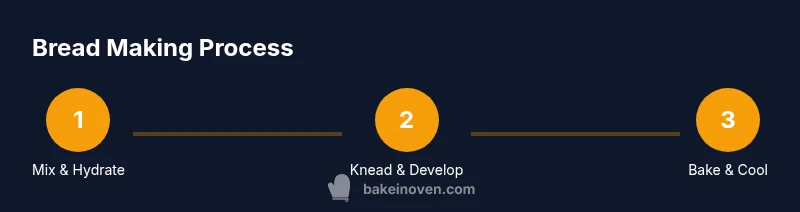
You will bake bread at home by mixing flour, water, and yeast, kneading to develop gluten, and allowing the dough to rise before shaping and baking to a golden crust. Key requirements are accurate measurements, a warm fermentation environment, and a hot oven with steam for the first minutes. Ready to start with a simple loaf recipe.
Why bake bread at home matters
Baking bread at home gives you control over ingredients, flavor, and texture, plus the satisfaction of turning simple staples into something nourishing and comforting. When you bake bread, you can tailor hydration, flour blends, and fermentation times to suit your taste and schedule. In today’s busy world, a well-made loaf can be both a culinary centerpiece and a daily ritual that connects you with the craft of baking. For beginners, starting with a reliable basics recipe helps you build confidence and long-term baking skills. Bake bread not just for nourishment, but to explore chemistry, patience, and texture as you watch dough transform from a shaggy mass into a crusty, aromatic loaf.
Core ingredients for a reliable loaf
At the heart of every loaf are four fundamentals: flour, water, yeast, and salt. All-purpose or bread flour provides structure, while water hydrates and activates gluten. Yeast breathes life into the dough, creating lift, flavor, and aroma. Salt strengthens gluten structure, controls fermentation rate, and enhances taste. Optional additions like sugar, oil, or milk can modify softness and browning, but starting with a classic flour–water–yeast–salt blend gives dependable results for most home bakers. Understanding hydration (the ratio of water to flour) is key: higher hydration yields a more open crumb but can be harder to handle. Always measure precisely and consider using a scale for consistency.
Essential equipment and pantry items
A good bread-making setup is simple and affordable. You’ll need a sturdy mixing bowl, a digital scale, measuring cups, a dough scraper, and a clean work surface. A proofing container or bowl with a towel is helpful for bulk fermentation. For baking, a Dutch oven or a baking stone dramatically improves heat retention and crust. A thermometer helps verify water temperature for yeast activation and dough temperature. Parchment paper, a sharp lame or razor for scoring, and a clean kitchen towel complete the essentials. Most beginners will succeed with a plain loaf baked in a covered pot to mimic a steam-injected oven.
The dough-making process: from mix to windowpane
Dough making is a sequence of controlled changes in flour and water that develop gluten and structure. Start by combining flour, water, and yeast, then mix until a shaggy mass forms. Autolyse – a period of hydrating flour before salt and yeast are added – improves extensibility. Knead until the dough passes the windowpane test (stretching a thin, translucent sheet without tearing). Bulk fermentation should produce measurable rise and aroma. Fold the dough during the first rise to strengthen structure and redistribute air.
Fermentation and proofing: timing and environment
Fermentation is driven by warmth and time. A warm, draft-free environment speeds rise, but excessive heat can overstimulate fermentation and produce off-flavors. Aim for a shy to moderate rise during bulk fermentation; the dough should feel airy and slightly domed. After shaping, the final proof determines oven spring and crust development. If you refrigerate the dough for a cold ferment, plan for longer proofing. Temperature guidance and careful observation will yield more consistent results than rigid timing alone.
Shaping, scoring, and preheating the oven
Shaping defines the loaf’s final form and even crumb. Gently degas the dough, divide if making multiple loaves, and shape into tight rounds or ovals. Place the dough seam-side down and let it rest briefly to relax. Scoring with a sharp blade creates controlled expansion and an attractive crust. Preheat your oven well in advance; for many home bakers, a 450–475°F (230–245°C) bake with steam yields the best crust. If you don’t have steam, place a tray of hot water in the oven or mist the oven walls to generate moisture.
Baking with steam and temperature control
Steam early in the bake helps keep the crust soft so the loaf can rise fully. There are several ways to generate steam: a Dutch oven with a lid traps moisture, or a pan of hot water placed on the rack below a baking stone. Reduce the steam after the first 10–15 minutes to allow crust formation. Bake until the crust is deeply colored and the loaf sounds hollow when tapped on the bottom. Internal temperature around 195–210°F (90–99°C) reflects doneness, though visuals and texture often guide best.
Troubleshooting common issues
Dense crumb usually means underdeveloped gluten or insufficient fermentation. Overly dense loaves can result from over-proofing; under-proofed dough collapses during baking. A loaf with a pale crust may indicate insufficient heat or bake time. A crust that’s too thick often suggests a too-long bake or a very dry dough. If loaves crack or split irregularly, adjust scoring depth and oven temperature. Practice, observation, and keeping a baking log help identify what works for your environment.
Flavor variations and advanced techniques
Once you’re comfortable with a basic loaf, experiment with different flours (whole wheat, spelt, or rye), hydration levels, and inclusions like seeds or nuts. Preferments (sourdough starter, poolish, or biga) add depth and acidity, while longer fermentation develops complex flavors. SOAKING adds moisture to grains, and autolyse followed by gentle handling preserves tenderness. Keep notes on hydration, fermentation temperature, and bake times to reproduce your preferred loaf consistently.
Authoritative sources
- USDA: https://www.usda.gov/
- Extension OSU: https://extension.oregonstate.edu/
- Penn State Extension: https://extension.psu.edu/
Tools & Materials
- Bread flour (or all-purpose as a starter option)(For best gluten development, use bread flour if available.)
- Water (preferably lukewarm)(Water temperature around 100–110°F (38–43°C) helps start fermentation.)
- Active dry yeast or instant yeast(If using active dry, dissolve in water first; instant can be added directly to flour.)
- Salt(Essential for flavor and gluten structure.)
- Digital kitchen scale(Accurate measurements improve consistency.)
- Mixing bowl(Prefer glass or metal; large enough for dough to rise.)
- Dough scraper(Helpful for handling and shaping dough.)
- Proofing container or towel-lined bowl(Allows dough to rise undisturbed.)
- Dutch oven or baking stone(Crucial for even heat and crust formation.)
- Parchment paper(For transfer to and from the oven; optional if using a Dutch oven.)
Steps
Estimated time: Total time: 4-6 hours including fermentation and resting periods.
- 1
Measure and combine ingredients
Weigh flour, water, yeast, and salt precisely. Mix until a shaggy dough forms, then rest briefly to hydrate flour (autolyse). The purpose is to begin gluten development and flavor buildup without overworking the dough.
Tip: Use a scale for accuracy; autolyse helps dough relax and become more extensible. - 2
Autolyse and initial mixing
Let the flour and water hydrate for 20–40 minutes before adding salt and yeast. This step improves dough extensibility and crumb structure. You’ll notice the dough becoming smoother during mixing.
Tip: Don’t rush; you’ll get better texture with a proper rest. Optional: use a stand mixer on low for a few minutes if hands-on kneading is too tiring. - 3
Knead or fold to build gluten
Knead by hand or with a mixer until the dough is smooth and elastic. If you’re new to kneading, fold the dough in the bowl to strengthen gluten without overworking. A well-developed dough should pass the windowpane test.
Tip: When you can stretch a small piece without tearing, gluten is sufficiently developed. - 4
Bulk fermentation
Let the dough rise until it’s about 1.5x its original size. Temperature and time vary; in a warm kitchen, this may take one to two hours. Gentle folds during this phase help improve structure and oven spring.
Tip: Keep the dough covered to prevent drying and form a cohesive structure. - 5
Divide, round, and rest
Gently shape the dough into individual loaves or a larger loaf. Rest briefly to relax the gluten before final shaping. This step sets the loaf’s final form and crumb texture.
Tip: Minimal handling preserves gas bubbles for a lighter crumb. - 6
Final proof and preheat
Proof the shaped dough until it nearly doubles in size. While it proofs, preheat the oven to your target temperature and prepare steam if available. The dough should hold a slight indentation when poked.
Tip: Don’t over-proof; over-expansion weakens structure and may cause collapse. - 7
Score and bake
Score the loaf with a sharp blade to control expansion. Bake with steam for crust development, then finish in dry heat to color the crust. Check for internal doneness by tapping the bottom (sound should be hollow).
Tip: Keep steam for the first 10–15 minutes to maximize oven spring. - 8
Cool and store
Cool loaves on a rack to prevent sogginess. Slice only after fully cooled to maintain crumb texture. Store in a paper bag or cloth to preserve crust while keeping the interior fresh.
Tip: Avoid plastic bags immediately after baking to prevent condensation and soggy crust.
Frequently Asked Questions
What flour should beginners use for a reliable loaf?
Most beginners do well with bread flour or all-purpose flour. Bread flour has higher protein, which helps structure, while all-purpose can yield a lighter crumb. Start simple and adjust hydration based on your feel for the dough.
Begin with bread flour for strength, or all-purpose for a lighter crumb; adjust hydration if the dough feels too stiff or too sticky.
How can I tell when bread is fully baked?
The loaf should sound hollow when tapped on the bottom and have a deep, even crust. If you have a kitchen thermometer, internal temp around 195–210°F (90–99°C) is a good indicator.
Tap the bottom of the loaf—it should sound hollow. If you have a thermometer, aim for about 200°F (93°C) internally.
Can I bake bread without steam in a home oven?
Yes, you can bake without steam by preheating a Dutch oven with its lid on or using a baking stone and a pan of hot water. Steam helps crust development but isn’t strictly required for good results.
Steam helps crust, but you can still get great bread using a covered pot or by creating moisture with a pan of hot water.
How long should the dough proof before baking?
Proofing times vary with temperature and dough activity. A standard final proof ranges from 60 to 90 minutes at room temperature, or overnight in the fridge for more flavor. Signs of readiness include a puffy surface and slight spring when touched.
Let the dough puff up noticeably and spring back slowly when touched. If it’s very tight and doesn’t rise, give it more time.
What are no-knead bread options for beginners?
No-knead methods rely on long, slow fermentation to develop gluten in a high-hydration dough. Simple mixes with minimal handling can yield excellent crust and crumb with less effort.
No-knead bread uses long fermentation and high hydration to develop gluten with less manual kneading, making it beginner-friendly.
How do I troubleshoot a dense loaf?
Dense loaves usually result from underdeveloped gluten or short fermentation. Ensure proper kneading, give the dough enough time to rise, and check your oven temperature for accuracy.
Dense bread means not enough gluten development or not enough rise; adjust kneading and fermentation time, and verify oven temperature.
Can I freeze bread after baking?
Yes, bread freezes well. Slice before freezing for easy toast-ready portions. Wrap tightly and thaw at room temperature or toast directly from frozen.
Bread freezes well; slice before freezing and reheat in the toaster or oven when needed.
Watch Video
Key Takeaways
- Measure ingredients precisely
- Control fermentation warmth for consistent rise
- Create steam early for crusty crust
- Score to guide expansion and appearance
- Let bread cool fully before slicing