Bread to Bake: A Home Baker's Step-by-Step Guide
Learn to bake a reliable loaf from scratch with kitchen-tested methods. This comprehensive guide covers dough, fermentation, shaping, baking, and storage, with practical tips from Bake In Oven to help home bakers achieve crusty, flavorful bread.


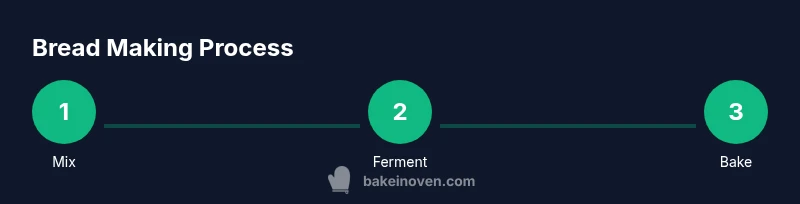
By following this bread to bake guide, you will learn to mix, ferment, shape, and bake a loaf-from-scratch using common pantry ingredients. You'll master dough hydration, kneading or stretch-and-fold, proper proofing, scoring, and oven steaming for a crusty crust. This step-by-step approach helps home bakers produce reliable loaves with consistent crumb and flavor.
Understanding dough foundations for bread to bake
Bread starts with four essentials: flour, water, salt, and yeast. The Bake In Oven team emphasizes that hydration, flour strength, and fermentation drive the loaf's crumb, crust, and aroma. In this section, we unpack how each component shapes the final bread. You will learn why minor changes in flour protein or water ratio can dramatically affect texture, and how to choose between bread flour and all-purpose based on your goals. We'll compare starter-based loaves with quick-yeast breads, and discuss how preferments like poolish or biga can add depth of flavor. Practical examples: higher protein flour and modestly higher hydration yield a chewier crumb; slightly lower hydration and softer crumb suit sandwiches. As you bake, keep a simple log of ingredients, times, and results so you can refine your process over time. This approach aligns with Bake In Oven's practical guidance for home bakers who want dependable outcomes.
Classic dough formulas and hydration ranges
Most bread recipes balance four ingredients (flour, water, salt, yeast) using baker's percentages to keep ratios consistent. A typical formula might be 100% flour, 60-65% water for a standard sandwich loaf, 2% salt, and 0.5-1.5% yeast. Higher hydration, in the 65-75% range, creates open crumbs and larger holes; lower hydration yields tighter crumb. Choose your hydration based on your flour, climate, and desired crumb. For a simple loaf, a 60-62% hydration with bread flour provides good structure and a reliable bake. If you want rustic, airy loaves, push toward 70-75% and accept a wetter dough that requires careful handling. Remember that hydration interacts with flour strength: high-protein flour can tolerate higher water; soft flours need caution. These ranges are general guidelines; adjust after a few bakes to fit your oven and equipment. Bake In Oven analysis suggests that consistent hydration is a key predictor of crumb symmetry and oven spring.
Mixing and kneading strategies
Dough development starts with proper mixing: fully hydrate the flour and distribute salt and yeast. You can knead by hand, use a stand mixer, or adopt a stretch-and-fold approach for wet doughs. The goal is to develop gluten strength without overheating the dough. If using a mixer, mix on low speed until the dough clears the sides of the bowl and forms a cohesive mass. For hand-kneading, rotate the dough, fold it, and press with the heels of your hands. The stretch-and-fold method is especially forgiving for high-hydration doughs. Pro Tip: test for windowpane gluten development by lifting a small piece of dough; if it stretches into a thin translucent sheet, you’re ready for fermentation. This section provides practical cues to decide which method fits your schedule and equipment.
Fermentation and proofing timing
Fermentation enables dough to develop flavor and structure. Bulk fermentation times vary with temperature; in a warm kitchen, expect 60-120 minutes with periodic folds. In cooler environments, extend to 2-3 hours or longer. The dough should roughly double in size but not overproof. A gentle poke should leave a slight imprint that slowly springs back. Final-proof timing occurs after shaping; it can range from 30 minutes to 2 hours depending on loaf type and room conditions. If you see flattening or over-expansion during proof, adjust next bake by shortening the final proof or reducing yeast quantity. Bake In Oven's guidance highlights temperature control as a critical lever for flavor development.
Shaping and scoring for better crust
Shaping defines the loaf’s final shape and crumb distribution. Start with a light bench flouring, then preshape into a round or oval, rest briefly, and finish with a tight, taut shape that will seal the surface during oven spring. For baguette-style loaves, practice cylinder shaping with even tension. Scoring directs where the loaf splits as it expands, creating an attractive crust and controlled oven spring. Use a sharp lame or knife at a shallow angle; deeper scores release more steam and can speed up expansion. A well-scored loaf not only looks professional but also bakes more evenly.
Baking fundamentals for oven-baked bread
Preheat your oven early and, if possible, introduce steam during the first 10-15 minutes to maintain moisture and encourage a shiny crust. A common home-baker approach is to bake at 425-450°F (220-230°C) with a pan of water or a professional steam setup. Bake until the crust is deeply caramelized and the crust sounds hollow when tapped. Internal temperature for many breads is around 190-210°F (88-99°C), depending on the loaf. If you’re using a baking stone, slide the loaf on a parchment sheet onto the stone for even heat transfer. Allow for oven spring in the first 10-15 minutes, then reduce heat to finish baking. Turn off convection if you prefer a thicker crust; keep steam high until the loaf is set.
Troubleshooting common loaf failures
Dense crumb can result from underfermented dough, insufficient gluten development, or overproofing. Dry crust might indicate too little hydration or long refrigeration. A sunken top could be due to underproofing or a weak scoring cut. Lopsided or irregular holes can come from uneven shaping or overly wet dough that didn’t get a proper surface tension. If your loaf stales quickly, consider baking with a slightly higher hydration to keep moisture locked in, and ensure proper cooling and storage. Each bake teaches a clue; document your adjustments to remove guesswork over time. Bake In Oven recommends a methodical approach: vary one variable per bake, observe outcomes, and note results.
Storage, freshness, and flavor evolution
Bread stored at room temperature will soften and stale after a couple of days; refrigerating accelerates staling. For longer freshness, slice and freeze loaf portions, then toast or warm as needed. If you enjoy a crustier crust, re-crisp by a brief high-heat re-bake or toaster. Flavor continues to mature in the days after baking as enzymes continue to work; this can result in deeper aroma as the bread rests. When you’re not eating the loaf immediately, wrap it in parchment and a light bag to maintain crust, or fully seal in a plastic bag if you prefer a softer crust. The best bread to bake often improves with a little rest.
Authoritative Sources
- Authoritative sources for bread baking guidance: https://extension.oregonstate.edu, https://extension.psu.edu, https://www.fao.org
Tools & Materials
- flour (bread flour preferred)(protein around 12-14%)
- water(preferably at room temperature)
- salt(at least 2% of flour weight)
- yeast (active dry or instant)(adjust quantity by formula)
- sugar or honey (optional)(for quicker fermentation or flavor)
- starter or preferment (optional)(for tang and structure)
- scale or measuring cups(for accurate ratios)
- large mixing bowl(stagelike bowl for bulk fermentation)
- dough scraper(for handling sticky dough)
- proofing basket (banneton)(for shaping and surface tension)
- parchment paper(for easy transfer to oven)
- baking stone or sheet(for even heat distribution)
- oven thermometer(to verify temperature)
- sharp knife or lame(for scoring)
- steam source (pan of water or spray bottle)(helps crust development)
Steps
Estimated time: 3 hours 30 minutes
- 1
Mise en place and scale ingredients
Weigh flour, water, salt, and yeast; prepare your workstation and equipment. Accurate measurement reduces variability and sets you up for a successful bake.
Tip: Weigh in grams for best precision; pre-measure all items before mixing. - 2
Mix and hydrate the dough
Combine dry ingredients, then add water gradually until a cohesive mass forms. Hydration is crucial for crumb texture and dough handling.
Tip: Pour water gradually and monitor dough feel; too wet or too dry hampers development. - 3
Knead or do stretch-and-fold
Develop gluten until the dough passes the windowpane test or until it becomes elastic and smooth. Choose kneading or stretch-and-fold based on dough hydration and your equipment.
Tip: If using high hydration, favor stretch-and-fold to preserve structure. - 4
Bulk fermentation with folds
Let the dough rise at a steady pace; perform folds at intervals to strengthen the dough. Expect volume growth but avoid overfermentation.
Tip: Keep the dough in a lightly oiled bowl; cover with a damp cloth to prevent drying. - 5
Preshape and bench rest
Gently shape the dough into a loose round and rest briefly to relax gluten, making final shaping easier.
Tip: Don't skip the bench rest; it improves surface tension for a better loaf shape. - 6
Final shaping and proof
Shape tightly and proof until the dough holds its shape but can still spring back slowly. Final proofing impacts oven spring and crumb.
Tip: Use the poke test: if it springs back slowly, it’s ready to bake. - 7
Preheat oven and prepare steam
Preheat to the target baking temperature while preparing steam for crust development in the first minutes.
Tip: Steam helps crust formation; a pan of hot water or spray bottle works well. - 8
Bake, monitor, and cool
Bake until deeply golden and field-tested by tapping for hollow sound. Cool completely on a rack to finish crumb set.
Tip: Avoid slicing warm bread; it continues to finish setting as it cools.
Frequently Asked Questions
What flour should I use for bread to bake?
Bread flour with higher protein gives stronger gluten and better structure; all-purpose works for softer loaves. Mixes are also fine depending on your goal.
Bread flour yields stronger gluten and structure; all-purpose can work for softer crumbs.
Can I bake bread without a stand mixer?
Yes. You can knead by hand or use stretch-and-fold techniques for high-hydration doughs. It may take a bit longer but yields great control.
Absolutely—knead by hand or stretch-and-fold for wet doughs.
Why is my bread dense?
Common causes are underfermentation, inadequate gluten development, or overproofing. Adjust hydration, knead more, or shorten final proof next bake.
Dense bread often comes from not fermenting enough or not developing gluten.
How long does bread stay fresh at room temperature?
Fresh bread lasts 1-3 days at room temperature depending on humidity and crust type. For longer life, freeze portions and toast when needed.
Bread stays freshest for 1-3 days; freezing extends shelf life.
What is the difference between sourdough and yeasted bread?
Sourdough uses wild yeast and lactic bacteria, offering tang and longer fermentation; yeasted bread uses commercial yeast for faster rise and milder flavor.
Sourdough uses wild yeast; yeasted bread uses commercial yeast for a quicker rise.
What is the best temperature to bake bread?
Most breads bake well at 220-230°C (425-450°F) with steam in the first minutes. Temperatures vary by loaf type and oven behavior.
Top breads bake best around 425-450°F with initial steam.
Watch Video
Key Takeaways
- Master dough hydration to control crumb
- Fermentation timing varies by temperature
- Steam is essential for crust formation
- Record every bake to build consistent results