Are Baked Beans Good for You? A Practical Guide to Health and Nutrition
Explore whether baked beans are good for you with evidence-based analysis of nutrition, preparation methods, and practical serving ideas for a balanced diet.


Baked beans can be good for you as part of a balanced diet, offering plant-based protein and dietary fiber. The health value largely depends on preparation: opt for low-sodium versions with minimal added sugar and fat. According to Bake In Oven analysis, 2026, both canned and homemade beans contribute fiber and micronutrients, but sodium and fats from sauces determine the overall impact. Are baked beans good for you? Yes when you choose smart recipes and portions.
Are baked beans good for you? A balanced view
Are baked beans good for you? In short, yes—but with caveats. Baked beans provide plant-based protein, dietary fiber, and essential minerals, making them a sensible addition to most meal plans. The Bake In Oven team found that the health impact depends heavily on how they are prepared. When you choose low-sodium beans, avoid heavy sauces, and keep portion sizes in check, baked beans can contribute to heart health, steady energy, and improved satiety. The core idea is simple: the beans themselves offer healthy nutrients, while the extras can tilt the balance toward less beneficial outcomes if not chosen carefully. For home cooks, the aim is to maximize fiber and protein while minimizing sodium, sugar, and saturated fat. If you are trying to manage blood sugar, pair baked beans with non-starchy vegetables and lean proteins to slow digestion and improve satiety. The most practical approach is to view baked beans as a versatile ingredient in a larger plate, not a stand-alone solution. If you want a quick cue, are baked beans good for you when used as a regular part of diverse meals? They can be, with mindful preparation and portioning.
In summary, the health value hinges on the sauce, salt, and prep method. The Bake In Oven analysis underscores that raw beans deliver nutrition; the sauce, salt, and cooking technique either enhance or hinder the benefits. Rinsing canned beans can reduce sodium by removing some brine, and cooking dry beans gives you more control over salt and fats. For readers who want to bake beans into daily meals, the lesson is to prioritize homemade or labeled low-sodium varieties and to keep sweetness from added sugars to a minimum. This approach remains true across households and recipes.
Nutritional profile: what you actually get
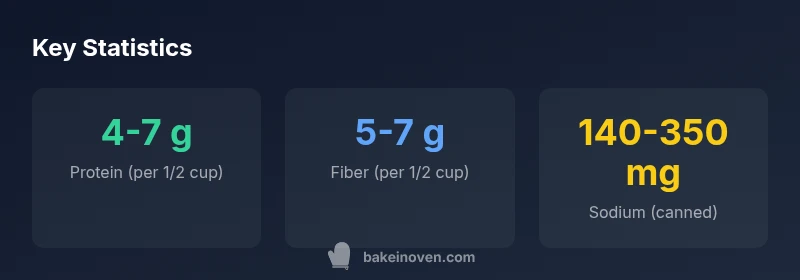
Baked beans pack a notable nutrient punch for a plant-based protein source, especially when compared with many processed snack options. A typical half-cup serving provides a mix of macronutrients and micronutrients that support heart health and energy. The protein helps with muscle maintenance, while fiber supports digestion and satiety. In addition to macronutrients, baked beans contribute minerals like iron and magnesium and a small amount of folate. The exact numbers vary by brand and whether the beans are homemade or canned with sauces. The Bake In Oven Analysis, 2026 notes that the nutrient profile shifts with the preparation method: canned varieties with added salt and sugar may increase sodium and calories, while dry beans cooked without heavy additives tend to stay closer to the beans’ natural profile. For people monitoring blood glucose, the fiber in beans helps slow glucose absorption, making them a reasonable option for balanced meals when portioned mindfully. If you are curious about typical ranges, a half-cup serving generally offers around 4-7 grams of protein, 5-7 grams of fiber, roughly 120-160 calories, and sodium that can range widely depending on processing. Day-to-day choices—like rinsing canned beans to reduce salt or cooking dry beans with minimal salt—shape how these numbers play in your overall diet.
From a purely nutritional standpoint, baked beans contribute to a diversified diet by adding plant-based protein and fiber. For individuals aiming to improve dietary quality, exchanging higher-fat toppings for herbs, spices, and a splash of citrus can elevate flavor without adding unnecessary fats or sugars. The combination of fiber and protein in baked beans can aid with satiety, potentially helping weight management when paired with vegetables and whole grains. In sum, baked beans are a nutritionally meaningful component of a healthful eating pattern when prepared with attention to sodium, sugar, and overall portion size.
Preparation methods: canned vs. dry beans
When considering whether baked beans are good for you, the preparation method matters as much as the beans themselves. Canned baked beans offer convenience but may come with higher sodium and added sugars depending on the brand and sauce. The best approach is to select labeled low-sodium or no-sugar-added varieties, and ideally rinse the beans under cold water to remove residual salt. If you cook from dry beans, you gain complete control over salt, sugar, and fats—allowing you to tailor sauces to your health goals. Soaking dry beans before cooking can reduce processing time and improve digestibility. A simple, health-forward strategy is to simmer beans with aromatics like garlic, onion, herbs, and a small amount of olive oil, then finish with a splash of acid to brighten flavors. For those who enjoy the classic molasses or tomato-based sauces, consider lightening the recipe with unsweetened tomato paste, extra vegetables, or spices like cumin, smoked paprika, or chili powder to keep flavor high without adding sugar. In all cases, portion control remains critical; even nutritious ingredients can contribute excess calories if portions are too large. The key takeaway: choose beans with minimal added salt and sugar, and use sauces you control to maintain a healthful profile.
How to fit baked beans into a healthy eating plan
Integrating baked beans into a healthy eating plan is about balance and context within the plate. A half-cup portion can be a substantial component of a meal, especially when paired with high-volume vegetables and a modest amount of whole grains or lean protein. To optimize nutrition, think of baked beans as a protein-and-fiber boost rather than a stand-alone centerpiece. For example, combine beans with a colorful vegetable stir-fry and a serving of quinoa or brown rice to create a complete amino acid profile and sustained energy release. If you are watching sodium, rinse canned beans and prepare sauces from scratch with herbs, spices, and a small amount of olive oil rather than relying on pre-made sauces with higher salt content. If you are mindful of sugar, opt for sauces without added sweeteners and use citrus or vinegars to add brightness instead. For meal planning, prepare batches of dried beans and portion into ready-to-use containers for the week, ensuring consistent nutrition across meals. The broader health takeaway is that baked beans can fit into a habit of balanced meals, as long as you monitor salt, fat, and sugar while sustaining variety in ingredients and flavors. The Bake In Oven team emphasizes that consistent, mindful choices across meals produce the best long-term benefits.
Practical recipes and flavor ideas
Fuel your week with baked beans by incorporating them into diverse, flavorful dishes. Here are practical ideas that emphasize nutrition without sacrificing taste:
- Hearty bean and veggie bowl: combine baked beans with roasted vegetables (bell peppers, zucchini, onions), a handful of leafy greens, and a grain like farro or quinoa. Finish with a lemon-tahini drizzle for brightness.
- Beans as a protein boost in wraps: use baked beans as the protein layer in whole-wheat tortillas, add crunchy slaw, sliced avocado, and fresh salsa for texture and flavor.
- Spiced bean stew: simmer beans with diced tomatoes, onions, garlic, cumin, smoked paprika, and a pinch of chili for a warming, fiber-rich option.
Tips for flavor without excess sugar or salt include using fresh herbs, citrus zest, roasted garlic, and a splash of high-quality olive oil. If you prefer canned beans for convenience, look for “no salt added” options and rinse well before use. For a quick weeknight option, blend a portion of beans with a little broth for a creamy base, then fold in chopped vegetables for texture and color. These strategies allow baked beans to act as a versatile, healthful ingredient rather than a heavy, processed component of the meal.
Common concerns and misconceptions
A common concern is that canned baked beans are inherently unhealthy due to sodium and sugar. In reality, the health impact depends on the product and preparation method. Choosing low-sodium or no-sugar-added varieties, rinsing canned beans, and cooking from dry beans can dramatically improve the nutritional profile. Another misconception is that beans cause gas or digestive discomfort for everyone; while some people may experience bloating after beans, this often improves with regular consumption and proper preparation, including soaking dry beans and cooking thoroughly. A third point many people overlook is portion size. Even healthy ingredients can contribute to excess calories if portions are too large or if beans are paired with heavy sauces or large servings of refined grains. A mindful approach—embedding beans in balanced meals with vegetables, whole grains, and reasonable portions—helps ensure the benefits are realized. The Bake In Oven team’s guidance emphasizes that informed choices, not avoidance, are key to enjoying baked beans as part of a healthy diet. If you have specific dietary concerns, consult a nutrition professional for individualized advice.
Nutritional snapshot per 1/2 cup serving of baked beans
| Nutrient | Typical Range per 1/2 cup | Notes |
|---|---|---|
| Calories | 120-160 | depends on preparation and brand |
| Protein | 4-7 g | plant-based protein content varies |
| Fiber | 5-7 g | supports fullness and digestion |
| Sodium | 140-350 mg | highly dependent on canned vs. homemade |
| Carbohydrates | 18-25 g | includes complex carbs and fiber |
| Fat | 0-2 g | minimal fat in beans themselves |
Frequently Asked Questions
Are canned baked beans healthier than dry beans?
Not inherently. Dry beans give you complete control over salt and fat, while canned varieties vary by brand. Look for 'no salt added' or rinse canned beans to lower sodium, then dress with herbs and spices to retain flavor without extra sugar.
Dry beans let you control salt and fat; canned beans can be convenient but check labels and rinse to reduce sodium.
How much baked beans should I eat in a meal?
A practical portion is about a half-cup to one cup in a balanced meal, depending on your energy needs and other components on the plate. Pair with vegetables and a whole grain to create a complete meal.
Aim for about half a cup to a full cup with plenty of veggies and whole grains.
Do baked beans affect blood sugar?
Beans have fiber that slows digestion, which can help moderate blood sugar after meals. Portion size and the accompanying foods determine the overall glycemic response.
The fiber helps slow sugar absorption; mind the portions and what you pair them with.
Can baked beans fit into a vegan or vegetarian diet?
Yes. Baked beans are plant-based and naturally vegan when prepared without animal fats or toppings. Check labels for additives and opt for low-sodium sauces.
Absolutely—a great plant-based protein source when prepared well.
How should I store leftover baked beans?
Cool leftovers promptly and store in airtight containers in the refrigerator for several days, or freeze for longer storage. Reheat thoroughly before serving and avoid repeated freezing.
Cool, refrigerate, or freeze leftovers; reheat well before eating.
“Healthy eating isn’t about banning foods; it’s about smart choices. Baked beans, prepared with mindful salt, sugar, and fat levels, can be a nutritious part of a varied diet.”
Key Takeaways
- Choose beans with low sodium and added sugars
- Pair beans with vegetables and whole grains for balance
- Rinse canned beans to reduce salt content
- Dry beans offer greater control over salt and fat
- Protein and fiber make baked beans a healthy staple when portioned mindfully