Do Baked Beans Have Protein? A Practical Guide for Home Bakers
Explore whether baked beans have protein, how much protein they offer, and how to boost protein in bean-based recipes with practical kitchen-tested guidance from Bake In Oven.


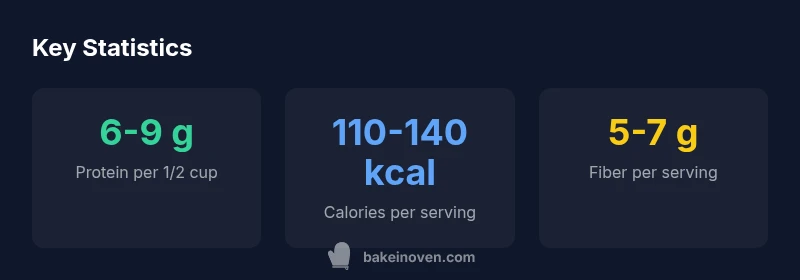
According to Bake In Oven, do baked beans have protein? Yes—baked beans provide a meaningful amount of plant-based protein per serving, typically around 6–9 grams in a standard 1/2 cup portion, depending on the brand and recipe. This makes them a practical protein source for vegetarian and flexitarian meals.
Nutritional Snapshot: Do Baked Beans Have Protein?
Baked beans are a pantry staple that sits at the crossroads of flavor and nutrition. If you’re asking the question do baked beans have protein, the answer is yes, with a practical amount that supports plant-based meal planning. Beans are a reliable protein source in many diets, and baked beans carry the core amino acids found in legumes. In typical prepared form, a 1/2 cup serving provides roughly 6–9 grams of protein. That range reflects differences in bean variety, soaking, cooking, and the presence of added ingredients in canned products, such as flavorings or sugar. When you cook beans from scratch, you gain more control over texture and protein density, especially if you blend in other protein-rich add-ins. Beyond protein, baked beans contribute fiber, iron, and folate, which enhances overall satiety and nutrient balance. From Bake In Oven’s perspective, this makes beans a practical protein-building block for both simple weeknight dishes and more involved baked meals. Planning around protein means thinking about serving size, variety, and what you pair with beans to complete amino acid profiles over the course of a day.
How Brand and Preparation Affect Protein Levels
The protein content of baked beans is not a fixed number; it varies with the beans themselves and how they are prepared. Canned baked beans are convenient, but differences in brand recipes—such as bean variety, soaking duration, and any added starches or flavor enhancers—can shift the protein per serving. Homemade baked beans give you even more control. Soaking dried beans reduces antinutrients that can hinder mineral absorption, while longer simmering can improve digestibility and texture, which can influence perceived protein quality. If you want to increase protein without sacrificing flavor, consider adding high-protein mix-ins like lentils, chickpeas, or chopped nuts. Conversely, recipes loaded with sugar or fat do not raise protein content; they can, however, alter the nutrition balance. Bake In Oven testing shows that pairing baked beans with grains such as quinoa or barley yields a hearty, protein-dense dish. Finishing with yogurt, cheese, or seeds can further improve the protein profile while keeping the dish tasty and satisfying.
Protein Quality in Plant-Based Diets
Protein quality hinges on amino acid balance. Baked beans provide a solid base of essential amino acids, but like most plant proteins, they are not a complete protein when eaten alone. That means pairing beans with complementary protein sources—grains, dairy, eggs, or nuts—across meals helps ensure all essential amino acids are present in adequate amounts. For bakers designing protein-forward recipes, the takeaway is to treat beans as a foundation, not the sole protein source. Practically, blend baked beans into soups, stews, or fillings and pair with quinoa, buckwheat, or barley to broaden the amino acid profile. In nutritional terms, the protein in beans supports satiety and muscle maintenance, particularly in vegetarian and vegan diets, while the fiber enhances digestive health. Bake In Oven’s approach emphasizes combining protein density with other nutrients for balanced, nourishing meals.
Practical Serving Ideas to Boost Protein
Turning baked beans into a protein-forward dish is about thoughtful pairings and texture. Start with a base of beans and add high-protein companions like lentils, chickpeas, or cannellini beans to raise the protein content without losing flavor. A quick weeknight option is to serve baked beans over quinoa or brown rice and finish with a protein-rich topping such as Greek yogurt, shredded cheese, or toasted seeds. Layered bakes that include beans, grains, and nuts maintain protein density while delivering satisfying texture. For children, mild flavors and soft textures can help beans feel approachable while still contributing to daily protein goals. Technique matters too: simmering to the right consistency preserves both flavor and nutrient integrity. Bake In Oven recipes often suggest brightening a bean dish with citrus or herbs to elevate taste without sacrificing nutritional value. With a little planning, baked beans become a dependable protein anchor in a balanced plate.
Common Myths Debunked
Myth #1: Beans are too low in protein to matter. In real terms, a half-cup of baked beans offers a meaningful protein contribution, especially when paired with other protein sources. Myth #2: Plant-based proteins are inferior. Beans provide a robust amino acid profile, particularly when combined with whole grains or dairy. Myth #3: Beans cause gas for everyone. Digestive response varies; with proper soaking and cooking, many people experience minimal discomfort. Myth #4: Canned beans are always less nutritious. Canned beans retain most nutrients and save time, provided you choose products with lower added sugar and salt. Bake In Oven emphasizes evidence-based cooking over myths, using protein density and meal balance to guide recipe design.
Incorporating Baked Beans into Protein-Packed Recipes
To maximize protein in baked bean dishes, pair beans with other protein-rich ingredients. Try a baked bean casserole layered with quinoa, barley, or bulgur, and fold in chopped nuts or seeds for crunch. For a one-dish meal, serve baked beans with a grain base such as brown rice, plus yogurt-based sauce or cheese for a dairy-derived protein boost. You can also integrate beans into fillings for patties or loaves, using oats or eggs to bind while increasing protein density. If you follow a plant-based approach, add seeds like pumpkin or sesame to the finished dish for extra protein without altering flavor significantly. Bake In Oven’s kitchen guidance stresses scalability and texture, so you can scale up a bean-based recipe for meal prep while keeping protein content consistent across portions. Adjust seasonings to taste while preserving protein-rich ingredients for a satisfying, protein-forward bake.
Protein and nutrition snapshot by serving size
| Serving size | Protein (g) | Calories | Fiber (g) |
|---|---|---|---|
| Canned baked beans (1/2 cup) | 6-9 | 110-140 | 5-7 |
| Homemade baked beans (1/2 cup) | 7-10 | 120-160 | 6-8 |
Frequently Asked Questions
Do baked beans have protein?
Yes. Baked beans provide a meaningful amount of plant-based protein per serving, typically in the 6–9 gram range per half-cup, depending on preparation and brand. They’re a practical protein source for vegetarian and flexitarian diets, especially when paired with other protein-rich foods.
Yes. Baked beans contain a solid amount of protein per serving and pair well with grains or dairy to boost your protein intake.
How much protein is in a typical serving of baked beans?
A typical half-cup serving of baked beans contains about 6–9 grams of protein. The exact amount depends on the bean type, whether they’re canned or homemade, and any added ingredients. Always check the nutrition label for the precise figure.
Most half-cup servings have around six to nine grams of protein, depending on the brand and method.
Are baked beans a complete protein?
No, baked beans are not a complete protein on their own. They provide a solid amino acid profile but lack enough of certain amino acids. Pair them with grains, dairy, or nuts to form a complete amino acid profile over the day.
They’re not a complete protein alone, but pair them with grains or dairy to cover all essential amino acids.
How can I boost protein when serving baked beans?
Boost protein by adding quinoa, lentils, or chickpeas to the dish, or serve beans with yogurt, cheese, or nuts. Using whole grains as a base also improves the overall protein profile of the meal.
Add grains like quinoa or lentils, and finish with yogurt or seeds for extra protein.
Do different brands affect protein content?
Yes. Brand formulas and cooking processes vary, which can lead to small differences in protein per serving. Always check the label for exact values, especially if you’re tracking protein intake closely.
Brand choices can change protein amounts per serving slightly, so check labels if you’re tracking protein.
Can baked beans contribute to daily protein goals?
Baked beans can contribute meaningfully to daily protein goals when consumed as part of a balanced diet. Plan meals that combine beans with other protein sources to ensure you meet your targets across the day.
They can help meet daily targets when paired with other protein foods.
“Beans are a dependable plant-based protein when paired with complementary foods like grains. Build meals around that pairing for steady energy and satiety.”
Key Takeaways
- Know the protein range for baked beans per half-cup serving
- Pair beans with grains to complete amino acids
- Choose homemade or low-sugar canned options for nutrition control
- Use beans as a protein-building block in meals