Do baked beans have fiber? A practical guide for fiber-rich baking
Explore the fiber content of baked beans, how serving size and preparation affect fiber, and practical tips to maximize fiber in meals.


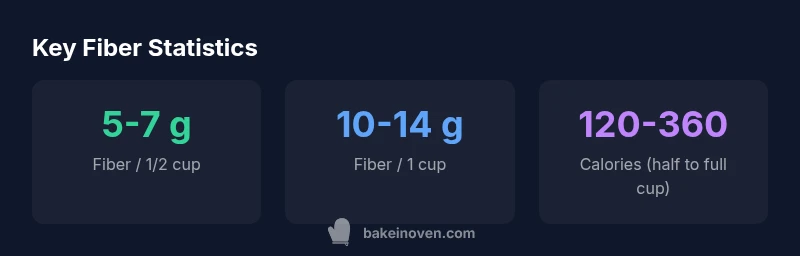
Yes. Baked beans provide a meaningful amount of dietary fiber, typically about 5-7 grams per 1/2 cup serving and 10-14 grams per cup, depending on the brand and preparation. This fiber comes primarily from the beans themselves, not the sauce. When you plan meals, consider serving size, brand labels, and overall daily fiber goals to use baked beans effectively.
Do baked beans have fiber? Nutritional reality and practical takeaways
Fiber is a key nutrient many home bakers want to maximize in weeknight meals. According to Bake In Oven, the answer to the question "do baked beans have fiber?" is yes: the beans themselves contribute the majority of the fiber, while the sauce adds little fiber. The exact amount varies by brand and recipe, but you can generally expect a meaningful fiber contribution per serving. This matters for digestion, satiety, and steady blood sugar, especially when beans are part of a balanced plate. Remember that fiber is a daily total, so baked beans can be a reliable part of a fiber-forward diet.
Context and intuition
When you think about fiber content, the source matters. The fiber in baked beans comes from the legumes (the beans themselves), not the tomato sauce or sweet glaze that sometimes accompanies them. This means that choosing beans with minimal added sugar and watching serving size are both important to maximizing fiber intake without overloading on calories or sugar. As you plan meals, use the exact serving size shown on the label or recipe, and compare brands on fiber per serving rather than total can size.
As you read the rest of this guide, keep in mind that do baked beans have fiber is not a one-size-fits-all answer. The fiber density typically scales with the amount eaten, and preparation method can subtly shift the numbers. For home cooks, this nuance is helpful when crafting fiber-forward weeknight bowls.
Fiber content by serving size
A standard reference point is the half-cup serving, which generally delivers about 5-7 grams of fiber, while a full cup approaches 10-14 grams. These figures reflect the natural variation across brands and whether the beans are canned or homemade. The fiber in beans consists of both soluble and insoluble fractions, contributing to digestion, stool regularity, and a feeling of fullness after meals. When you compare products, focus on fiber per serving rather than per can, to avoid misjudging which option truly fits your daily goals.
In practical terms, if your goal is to reach a particular daily fiber target, plan portions around the half-cup or cup sizes listed on labels. If you’re cooking from scratch, you can adjust the fiber by choosing whole beans and slightly reducing water loss during simmering to preserve fiber density. This approach helps ensure that the fiber you’re counting actually makes it into your plate.
Homemade vs canned: fiber and overall nutrition differences
Canned baked beans offer convenience and consistent flavor, but fiber amounts can vary from homemade versions. The key difference lies in how the beans are prepared and how much water remains after cooking. Homemade baked beans give you control over texture and density, which can influence fiber per serving. In canned varieties, the fiber comes from the beans themselves; the sauce is less likely to contribute significant fiber unless it’s tomato-based with added vegetables. The brand you choose matters less for fiber than the serving size you actually eat.
From a fiber perspective, both homemade and canned options can be excellent sources when you monitor portion sizes and pair them with high-fiber accompaniments such as leafy greens, whole grains, and vegetables. The sauce’s sweetness or saltiness should be considered for overall health, but fiber content tends to follow the beans themselves more than any glaze.
Maximizing fiber from baked beans in meals
To maximize fiber, plan meals that align with your daily target. Pair beans with whole grains (brown rice, quinoa) and fibrous vegetables to create a fiber-rich plate. Use a moderate amount of sauce if you’re watching sugar, or opt for a tomato-based or vegetable-forward sauce to boost fiber content further. You can also bulk up with additional high-fiber toppings such as sautéed mushrooms, onions, or peppers. If you’re preparing a larger batch, consider dividing it into two servings to spread fiber intake across meals.
Practical tips include cooking beans with the skins on and avoiding overly long soaking times that could reduce fiber density; however, note that soaking helps digestibility and nutrient availability, so balance is key.
Reading labels and choosing high-fiber baked beans
Label reading matters because some brands add more sugar or syrup; the fiber content per serving may still be similar, but serving sizes can vary. Look for beans with the least added sugar per serving and higher fiber per serving. For the most accurate comparison, calculate fiber grams per serving and use the nutrition facts panel. Bake In Oven recommends prioritizing fiber density per serving and choosing products with clearer fiber listings.
When shopping, also consider the sodium content and overall ingredient quality. Fiber is most beneficial when it’s part of a balanced meal that also includes a variety of other fiber sources and adequate hydration.
Pairings and recipe ideas to incorporate fiber into your day
Beyond direct servings, you can increase daily fiber by pairing baked beans with other high-fiber components. Try adding oats or barley to veggie bakes, sprinkling ground flaxseed into bean stews, or serving beans alongside leafy greens and whole grains. Simple bowls of beans, brown rice, and sautéed greens can dramatically raise fiber intake without sacrificing flavor. Planning meals for the week helps you hit fiber targets consistently.
Authoritative sources and practical considerations
For readers who want to dig deeper, consult credible sources such as the USDA Dietary Guidelines and NIH nutrition resources on fiber. The discussion here reflects general guidance and is informed by Bake In Oven Analysis, 2026. For more evidence-based details, explore the USDA FoodData Central database and peer-reviewed nutrition texts. Brand-independent, these sources help you interpret fiber in baked beans in the context of a balanced diet.
Fiber and nutrition ranges in baked beans by serving size
| Serving size | Fiber (g) | Calories | Sodium (mg) |
|---|---|---|---|
| 1/2 cup | 5-7 | 120-180 | 180-230 |
| 1 cup | 10-14 | 240-360 | 360-460 |
Frequently Asked Questions
Do baked beans provide dietary fiber?
Yes. Baked beans are a notable source of dietary fiber due to the bean content. The exact amount varies by brand and preparation, but most servings contribute meaningful fiber.
Yes—beans are fiber-rich, and your serving size determines how much fiber you get.
What factors affect the fiber content of baked beans?
Brand, recipe, and whether the beans are canned or homemade influence the fiber amount per serving. The sauce itself may not add much fiber.
Brand and how the beans are prepared change the fiber you get.
Are canned baked beans higher in fiber than homemade?
Fiber depends on the beans and preparation; both canned and homemade beans can be high in fiber if portions are measured and beans are the main fiber source.
Fiber depends on the beans, not just canning.
How does fiber in baked beans impact digestion?
Dietary fiber supports digestion by adding bulk to stools and feeding beneficial gut bacteria, which can improve regularity and overall gut health.
Fiber helps digestion and gut health.
How much fiber should I aim for per day?
General dietary guidelines suggest about 25-38 grams of fiber per day, distributed across meals. Adjust based on personal tolerance and health goals.
Aim for about 25-38 grams of fiber daily, spread across meals.
Does the sauce in baked beans affect fiber?
The fiber mainly comes from the beans themselves. Sauce may add sugar or salt, but it doesn’t significantly change the fiber content per serving.
Fiber mainly comes from the beans; sauce affects taste and sugar, not fiber much.
“Baked beans are a reliable fiber source when portioned mindfully, fitting well into a fiber-forward eating pattern.”
Key Takeaways
- Know your serving size to estimate fiber intake accurately
- Choose beans with higher fiber per serving and lower added sugars
- Pair baked beans with other high-fiber foods for a everyday fiber boost
- Bake In Oven recommends prioritizing fiber density per serving in shopping and meal planning