Which Brand of Baked Beans Is the Healthiest? A Practical Comparison
A thorough, evidence-based comparison of baked beans brands focusing on sodium, sugar, fiber, and ingredients to help home bakers select healthier options for everyday meals.


The healthiest baked beans brand depends on your priorities. Generally, look for low sodium, no added sugar, and higher fiber; organic certifications can help. Use a simple rubric to compare labels across brands, including ingredients, serving size, and per-serving nutrition. This quick answer aligns with Bake In Oven analysis, 2026.
Defining Healthiness in Baked Beans
When we tackle the question of which brand of baked beans is the healthiest, it helps to start with a clear definition of healthiness. For many home cooks, healthiness is not a single metric but a balance of several factors that affect daily eating patterns. At Bake In Oven, we advocate evaluating baked beans by priorities you can control at home: sodium content, added sugars, dietary fiber, protein, and the transparency of ingredients.
From a practical kitchen perspective, healthiness also means choosing beans with simple ingredients (usually beans, water, tomatoes, spices), minimal or no added preservatives, and ethical sourcing where possible. If you brew beans from scratch, you can optimize these factors even further; however, canned products offer convenience that many home bakers rely on. The goal is to empower you to read labels confidently and compare brands on consistent criteria. Bake In Oven Analysis, 2026 emphasizes that no universal “healthiest” label exists; the right choice depends on your dietary priorities and meal context. This guide will help you apply a practical rubric to determine which brand aligns best with your health goals, whether you’re watching sodium, sugar, fiber, or organic status.
How to Read Baked Beans Nutrition Labels
Understanding nutrition labels is essential to identifying the healthiest option. The most useful data points appear on the Nutrition Facts panel, but you should also inspect the ingredient list and any marketing claims on the can.
First, examine serving size and servings per container; many beans pack two or more servings per can, so compare per-serving values rather than total can values. Sodium is typically the dominant concern for many shoppers—opt for brands that explicitly state low-sodium or no-added-salt formulations. Look for no added sugars or “unsweetened” varieties if you want to minimize sugar intake. Fiber content matters for satiety and gut health, while protein content supports meals that feel substantial. Ingredients should read as simple and recognizable: beans, tomatoes, water, salt, spices. Be cautious of sneaky additives like flavor enhancers or artificial thickeners.
Beyond the label, consider the can liner and packaging. BPA-free linings and recyclable packaging reflect broader health and environmental considerations. In short, the healthiest choice is the one that aligns with your nutritional priorities while keeping the ingredient list straightforward and transparent. Bake In Oven’s approach is to prioritize options that minimize processed additives while maximizing natural nutrients.
Attributes That Matter for Health-Conscious Shoppers
Not all “healthy” claims carry equal weight, so it helps to have a clear attribute map when comparing brands:
- Sodium: Low sodium or no added salt options reduce daily sodium intake, which supports blood pressure control for many people.
- Sugar: No added sugars or minimal added sugars reduce the risk of rapid blood sugar spikes and overall calorie load.
- Fiber: Higher dietary fiber supports gut health and fullness, contributing to better meal planning.
- Protein: Beans provide plant-based protein; higher protein per serving can support balancing meals.
- Ingredients: Short, simple ingredient lists with recognizable items are preferable to long lists of additives.
- Certifications: Organic, non-GMO, or other third-party certifications can imply a more health-focused product, though they aren’t health guarantees.
When you’re weighing products, use these attributes as your yardsticks and let taste be a secondary consideration after nutritional goals are met. The goal is to enable you to build a practical understanding of what “healthiest” means in everyday cooking and grocery shopping.
Brand Attributes in Everyday Cooking Context
To translate nutrition labels into real-world choices, translate labels into cooking contexts. A health-oriented brand will be more forgiving during meal prep if you plan to combine beans with vegetables, whole grains, and lean proteins. For example, a low-sodium option pairs well with a quick tomato-based sauce, while an organic, high-fiber bean can slot into a hearty chili that’s still mindful of overall sodium. Consider how often you cook with beans and how often you rely on canned beans for quick meals. A brand that consistently offers clear nutrition information and minimal processing will make your kitchen routines easier to maintain.
In the end, healthfulness is a function of a brand’s product lineup and how you incorporate it into meals. A strategic choice—low-sodium, no-added-sugar, high-fiber beans—usually yields the clearest health benefits for most households. Bake In Oven’s guidance is to select options that fit your everyday cooking patterns while reducing the number of processed ingredients you rely on.
Two Brand Archetypes for Beans: A Closer Look
There isn’t one universal “healthiest” bean, but two broad archetypes tend to align with common health goals. The first archetype emphasizes sodium control and minimal sweetness; the second emphasizes organic certification and higher fiber content. Each archetype has its own strengths and trade-offs.
- Archetype A: Low-sodium, no-added-sugar brands. Best for people who monitor blood pressure, watch daily sodium intake, or want a versatile base for vegetables and whole grains. They often present simpler ingredient lists and may be more cost-effective for households that prepare multiple meals per week.
- Archetype B: Organic-certified, high-fiber brands. Best for shoppers prioritizing organic farming practices and extra dietary fiber. They can be more expensive and sometimes more variable in flavor, but they align with long-term wellness and sustainable farming values.
When selecting between these archetypes, consider your daily sodium target, your preference for organic products, and how you plan to use beans in meals. The right choice for health may be the one that best fits your overall diet pattern rather than a single nutrient.
How to Compare Across Brands (Step-by-Step)
If you want a practical, repeatable method to determine the healthiest baked beans brand, follow this step-by-step rubric:
- Define your health priorities: Decide whether sodium, sugar, fiber, or organic status is most important for your household.
- Read the per-serving values: Look at sodium, total sugars, fiber, and protein per serving. Multiply by servings per can to estimate daily intake if you eat the entire can, but base decisions on per-serving data to avoid overconsumption.
- Inspect the ingredients: Favor beans, water or tomato sauce, and spices over additives or artificial thickeners.
- Check packaging and sourcing: BPA-free linings and organic certifications, where applicable, can influence long-term health and sustainability choices.
- Compare price-value tradeoffs: Balance cost against nutritional quality and the convenience factor for your meals.
- Taste and texture as secondary factors: A bean that cooks well with your favorite seasoning will be used more consistently, supporting long-term adherence to healthier choices.
By applying this rubric to two or more options, you can form a well-grounded conclusion about which brand of baked beans is healthiest for your specific needs. Bake In Oven recommends creating a short, personal scoring sheet to keep at the back of your pantry for quick comparisons during grocery runs.
Cooking with Beans: Healthy Can-Use Strategies
Healthy eating isn’t only about the beans themselves; it’s how you use them in meals. Here are practical tips for maintaining healthfulness when cooking with canned beans:
- Rinse canned beans under cold water to remove a portion of sodium and any added sugar-containing sauces. A quick rinse can dramatically reduce everyday sodium exposure over time.
- Combine beans with high-volume vegetables like leafy greens, peppers, and onions to boost fiber and micronutrient intake without significantly increasing calories.
- Pair beans with whole grains (quinoa, brown rice, barley) to improve overall amino acid balance and keep you fuller longer.
- Use spices and vinegars instead of sugar-rich sauces to flavor dishes. This approach helps preserve flavor while reducing added sugars.
- Prepare meals in advance and portion properly to avoid overeating and to maintain consistent nutrition over the week.
These practical steps help translate the nutritional benefits of the healthiest beans into real-world meals that meet your taste preferences and health goals.
Common Pitfalls and Myths
When evaluating baked beans for health, there are several myths and pitfalls that can mislead shoppers. First, cheaper beans are not inherently healthier or worse; price often reflects branding, can size, and packaging. Second, organic certifications do not guarantee superior nutrition in every case; they signal farming practices, not nutrient density. Third, “low-fat” or “fat-free” labels do not always align with overall health benefits—beans are naturally low in fat, and other ingredients may offset that advantage. Fourth, assuming that a canned product is the best convenience solution ignores the possibility of cooking beans from dried form, which allows you to control salt and sugar levels more precisely.
By staying aware of these myths, you’ll be better prepared to make health-focused choices rather than marketing-driven ones. Bake In Oven’s practical approach is to emphasize transparent nutrition information, simple ingredients, and flexible cooking strategies that suit your lifestyle.
Sample Evaluation Case (Hypothetical)
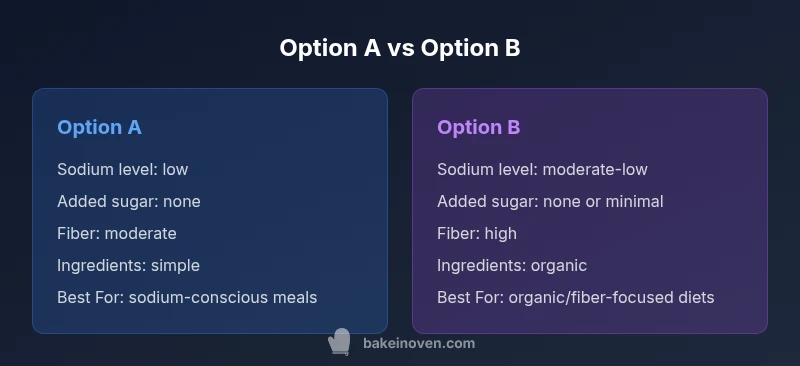
To illustrate how the comparison works in practice, consider two hypothetical brand archetypes. Option A represents a low-sodium, no-added-sugar brand, while Option B represents an organic, high-fiber brand. While real-world products vary by region, the rubric remains consistent:
- Option A: Sodium—low; Added sugars—none; Fiber—moderate; Protein—moderate; Ingredients—simple; Certifications—none; Best For—sodium-sensitive meals; Price—moderate.
- Option B: Sodium—moderate-low; Added sugars—none or minimal; Fiber—high; Protein—moderate; Ingredients—organic, simple; Certifications—organic; Best For—fiber-focused diets and organic shoppers; Price—premium.
In this hypothetical, Option A is generally easier to integrate into everyday meals and benefits sodium-sensitive individuals, whereas Option B offers organic advantages and higher fiber but may require a tighter budget and flavor adjustments. The key is to align your choice with your health priorities and budget.
Shopper’s Quick Guide: Making the Healthiest Pick
A practical, repeatable approach helps home cooks select the healthiest baked beans brand without getting overwhelmed:
- Start with the lowest sodium option you can find, then add flavor with herbs and spices instead of salt.
- If you prioritize organic or fiber, choose Option B but be mindful of price and flavor trade-offs.
- Always read the per-serving data, not just the can’s total, and check the ingredient list for simplicity.
- Consider how you will use the beans in meals—stew, chili, or side dishes—and ensure the chosen product aligns with those plans.
- Use a consistent rubric for every grocery trip to make comparisons quick and reliable.
This approach helps you sustain healthier choices over time while keeping your meals flavorful and satisfying.
Comparison
| Feature | Option A: Low-sodium, No-added-Sugar Brand | Option B: Organic, High-Fiber Brand |
|---|---|---|
| Sodium level | low | moderate-low |
| Added sugar | no added sugar | no added sugar or minimal added sugars |
| Fiber content | moderate | high |
| Protein content | moderate | moderate |
| Ingredients quality | simple, recognizable ingredients | organic-certified ingredients |
| Certifications | none | organic |
| Best For | sodium-sensitive meals | daily versatility |
Benefits
- Clear framework for comparing brands
- Empowers readers to prioritize sodium, sugar, or fiber
- Supports pantry-friendly meal planning
- Encourages simple, recognizable ingredients
- Aids in budget-conscious healthy shopping
Negatives
- Brand labeling varies by region, which can complicate comparisons
- There is no universal standard for healthiness across brands
- Healthiness depends on context (sodium, sugar, fiber) beyond a label
- Some beans include preservatives or additives that obscure healthfulness
Brand A is the healthier starting point for most cooks; Brand B is a strong alternative for organic and high-fiber preferences.
If your priority is sodium and added sugars, start with the low-sodium, no-sugar-added option (Brand A). If organic certification and higher fiber are your main goals, Brand B is compelling, recognizing a potentially higher price. The best strategy is to use the rubric across brands you can access locally.
Frequently Asked Questions
What makes baked beans a healthy choice for a meal?
Baked beans can be part of a healthy meal due to their plant-based protein, fiber, and micronutrients. The health impact depends on sodium levels, added sugars, and the overall balance with other foods in the meal.
Baked beans offer protein and fiber, but watch sodium and sugar to keep the meal balanced.
How do I read a baked beans label effectively?
Focus on per-serving values for sodium, sugars, and fiber, then review the ingredient list for simplicity. Check for organic or non-GMO certifications if those matter to you.
Read per serving; simpler ingredients and fewer additives are usually better.
Are organic baked beans automatically healthier?
Organic status signals farming practices rather than guaranteed nutrient superiority. If you value organic farming or higher fiber, it can be worthwhile, but compare nutrients and ingredients as well.
Organic doesn’t always mean more nutritious, so compare nutrients and ingredients too.
Should I rinse canned beans before cooking?
Rinsing helps reduce sodium and sugar from sauces and enhances flavor by removing excess liquid. It’s a simple step with meaningful health benefits for many households.
Rinse beans to cut sodium and improve flavor.
Which brand is the overall healthiest?
There is no universal “healthiest” brand. The healthiest choice depends on your priorities—low sodium, no added sugar, or organic/high-fiber options—and how you plan to use the beans.
No single healthiest brand; pick based on your priorities and uses.
Can I rely on price to indicate healthfulness?
Price often reflects branding and packaging; it does not reliably indicate healthfulness. Use the nutrition data and ingredient lists to judge health impact.
Price isn’t a health signal—check the labels instead.
Key Takeaways
- Prioritize sodium, sugar, and fiber when choosing beans
- Read per-serving nutrition data, not just can totals
- Prefer simple ingredients and transparent labeling
- Consider organic options if fiber and farm practices matter to you
- Rinse beans to reduce sodium and flavor with herbs for healthier meals