Are You Supposed to Bake the Pie Crust First?
Learn when to blind bake a pie crust, how to do it, and pro tips to prevent soggy bottoms. Bake In Oven guides home bakers through practical, kitchen-tested steps for flaky crusts.


Yes, in many cases you should bake the pie crust first, especially for custard, cream pies, or fillings that don’t return moisture to the crust. Start with a cold dough, line with parchment, fill with pie weights or dried beans, bake until set, then remove weights and finish baking until golden and crisp.
Understanding Blind Baking
Are you supposed to bake the pie crust first? The short answer is: for many pie fillings, yes. Blind baking, or prebaking the crust, is a standard technique in home baking and professional kitchens alike. It helps create a dry, sturdy base that won’t become soggy when you add a juicy fruit filling, a custard, or a glossy cream filling. The goal is to set the crust’s surface and form a barrier that blocks moisture from soaking into the dough. This is especially important when the filling requires only partial baking or when the crust itself needs a firm, flaky texture that holds up to a long bake.
In Bake In Oven’s testing, we consistently find that crust integrity improves with a controlled bake. The technique reduces shrinkage, prevents air pockets, and encourages even browning. The nuance is that not every pie needs blind baking; some fillings—like lemon meringue or pumpkin custard—benefit from pre-baking, while others can be fully baked with the filling. The key is understanding your filling’s moisture level and bake time to decide whether blind baking is necessary.
When to Blind Bake: Filling Types and Texture
Blind baking is most beneficial for fillings with high moisture or those that don’t bake long enough to cook the crust fully. Cream pies (like chocolate cream or coconut cream), quiches, and custard pies typically require a baked crust to prevent soggy bottoms. Fruit pies with very juicy fillings—peaches, berries, or cherry—also benefit from a pre-baked shell if you’re aiming for a crisp crust that contrasts with a soft center. If you’re using a thick, baked custard like pumpkin or sweet potato, partial blind baking can help set the base so the crust doesn’t become overly soft while the filling cooks. Always consider crust color: a pale, underdone shell may indicate insufficient bake time or too little heat distribution.
Classic Blind-Bake Methods: Prebaked, Parbaked, and Full Blind
There isn’t a one-size-fits-all approach to blind baking. A prebaked crust is fully baked with no filling, then cooled before filling. A parbaked crust is baked partway through, then filled and finished in the oven. A full blind bake involves baking the crust with weights until it’s fully set and golden. Each method serves a different purpose. Par-baking is ideal when the filling needs longer bake time than the crust or when your filling is dairy-heavy and could make the crust soggy. Weighing your crust with parchment or foil prevents puffing and shrinking, ensuring even structure.
Step-by-Step Guide: Blind Bake with Confidence
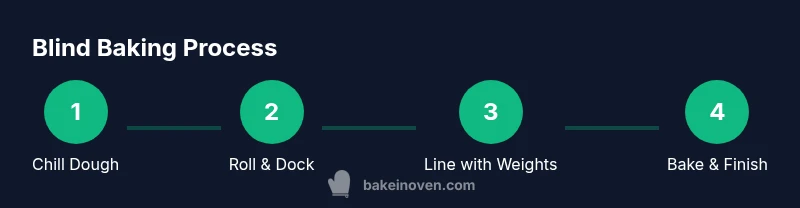
Following a clear sequence helps beginners and seasoned bakers alike. Start with a cold dough to minimize shrinkage, roll evenly, dock to release steam, line with parchment, and add weights. Bake until the edges start to color, remove weights and parchment, then finish until the bottom is fully cooked and evenly browned. Remember to cool the crust completely before adding any soft filling. With practice, you’ll know when the crust looks and feels right for your chosen filling.
Alternative Methods: Parchment, Beans, and Weights
If you don’t have professional pie weights, you can use dried beans or rice as a substitute. Parchment or aluminum foil helps prevent sticking and makes weights easier to remove. For a deeper, darker crust, some bakers brush a thin layer of egg wash on the crust’s interior before blind baking; this creates a barrier that rejects moisture and improves browning. If you plan to fill with a high-fat custard, consider docking and chilling for extra evenness to prevent shrinking.
Common Mistakes and How to Fix Them
Avoiding soggy bottoms starts with a firm dough and precise timing. Common errors include under-chilling, insufficient docking, and overloading with weights. Underscoring the crust’s edges can lead to uneven browning, while overbaking can harden the crust and suppress tenderness. If the crust puffs during baking, reduce heat slightly or add another round of docking. For a perfectly crisp finish, a quick brush of melted butter or a light spray of oil after baking can help maintain texture.
Troubleshooting: Preventing Soggy Bottoms
Soggy bottoms result from moisture seeping from filling into the crust. Blind baking creates a moisture barrier, but the barrier must be intact. Ensure your parchment is snug against the dough and that you press weights down to prevent shrinking. If juices run long before crust browns, consider a fully blind bake with a longer bake time or a higher oven temperature for the initial bake. Let the crust cool completely before filling to maximize crispness.
Testing Doneness and Storage Tips
Crust doneness isn’t just color; it’s texture. Look for an even golden-brown color with a firm, dry feel. If in doubt, bake a few extra minutes and check again. Storage matters: once cooled, keep crust at room temperature for a short period or freeze for longer storage. When freezing, wrap tightly to prevent frost and flavor loss. A well-prepared blind-baked crust will stay crisp longer and support a wide range of fillings.
Tools & Materials
- Cold pie dough (your favorite recipe)(Chilled, not frozen; roll when slightly firm)
- Rolling pin(Even pressure to reach 1/8-inch thickness)
- Parchment paper or aluminum foil(Tightly pressed against dough to prevent air pockets)
- Pie weights or dried beans(Use enough to cover the crust bottom and hold the sides)
- 9-inch or appropriate pie pan(Must be heat-safe and well-seasoned)
- Bench scraper or knife(Helpful for trimming edges evenly)
- Cooling rack(Cool crust completely before filling)
- Fork or docking tool(Dock holes to prevent air pockets)
Steps
Estimated time: Total time: 40-60 minutes (hands-on) plus chilling time as needed
- 1
Chill Dough and Prepare Pan
Ensure your dough is cold and the pan is ready. Chilled dough shrinks less during baking. Place the dough in the pan, loosely shaping a stable edge before chilling again.
Tip: Chilling time helps prevent distortion; aim for at least 20 minutes. - 2
Roll Dough to Even Thickness
Roll from center outward, rotating the dough to maintain even thickness (about 1/8 inch). This ensures uniform browning and prevents thick centers.
Tip: Keep the dough cool; if it softens, refrigerate briefly before continuing. - 3
Dock and Chill
Prick the bottom with a fork to vent steam and prevent bubbles. Return the dough to the fridge to firm up before baking.
Tip: Dock more densely near the edges to maintain shape. - 4
Line with Parchment and Add Weights
Line the crust with parchment, pressing it tightly against the dough. Add weights evenly to cover the bottom.
Tip: If parchment folds, smooth it back to avoid air gaps. - 5
Bake Until Set
Bake the crust until the edges start to color and the center looks set, typically 12–15 minutes depending on your oven.
Tip: Keep an eye on color; you want light golden, not deep brown. - 6
Remove Weights and Finish Baking
Carefully lift out parchment with weights. Return crust to oven until the bottom is fully cooked and the exterior is crisp, about 5–10 more minutes.
Tip: If edges brown too fast, shield with foil to prevent scorching. - 7
Cool Before Filling
Let the crust cool completely on a rack before adding a filling. This prevents moisture transfer and helps maintain texture.
Tip: Even small residual heat can drift the crust soft; give it ample time to cool.
Frequently Asked Questions
Should I blind bake a pre-made refrigerated crust?
Yes, refrigerated crusts can be blind baked, but follow the package directions and dock the bottom to prevent puffing. Crusts may need a slightly shorter bake time than homemade dough.
Yes—refrigerated crusts work, just dock and bake per instructions for best results.
What if my crust puffed up during blind baking?
Puffing happens when steam isn’t vented or weights aren’t pressing evenly. Re-dock and reweight as needed, or shield edges with foil to prevent further puffing.
Puffing means more venting or weight pressure is needed; re-dock and reweight as necessary.
Can I blind bake without weights?
Weights help prevent shrinking and air pockets. If you skip weights, dock well, chill, and monitor bake time closely, but expect a slightly less uniform crust.
You can try without weights, but the crust may shrink or bubble; dock and chill thoroughly.
How do I know when the crust is fully baked?
Look for a deep golden color, firm edges, and a dry bottom when lifted. If the bottom looks pale, bake a few more minutes and check again.
Look for deep golden color and a dry bottom; adjust time as needed.
Can I blind bake a crust for a chocolate cream pie?
Yes. Blind bake the crust until set, then fill with ganache or chocolate cream after the crust cools. This keeps the crust crisp under a rich filling.
Blind bake the crust first, then fill with chocolate cream after it cools.
How do I prevent soggy bottoms with juicy fillings?
Blind bake helps, but also ensure final bake time matches filling moisture. Start with a fully baked crust and consider brushing a light egg wash to create a moisture barrier.
Blind bake plus moisture management keeps soggy bottoms at bay.
Watch Video
Key Takeaways
- Know when to blind bake based on filling moisture
- Follow a clear bake, weight, and cool sequence
- Prevent soggy bottoms with proper prep and timing
- Adjust method for custards, creams, and fruit fillings