Bake Chicken in the Oven: Step-by-Step Guide
Learn to bake chicken in the oven with a kitchen-tested method. This guide covers choosing cuts, seasoning, temperatures, timing, and safe handling for juicy, flavorful results every time.


Bake chicken in the oven with a kitchen-tested method that delivers juicy, evenly cooked results. This guide covers selecting cuts, seasoning, marinating, pan setup, oven temperature, and safety checks to ensure delicious poultry every time. Whether you use breasts, thighs, or a whole bird, the approach stays consistent: pat dry, apply heat evenly, and rest before serving.
Why oven-baking works for chicken
Roasting chicken in the oven is one of the most reliable ways to achieve juicy meat with deeply developed flavor. This bake chicken recipe oven approach uses steady heat to render fat, brown the skin, and preserve moisture inside the meat. According to Bake In Oven, the key to consistent results is starting with dry skin, using the right pan setup, and controlling temperature to avoid overcooking. When you choose the right cut and prepare it properly, oven roasting becomes a simple, repeatable technique you can rely on during busy weeknights or Sunday roasts. The science behind browning, moisture retention, and even heat distribution matters here, and a little planning goes a long way toward a perfect roast.
Safety basics before you start
Handling raw chicken safely is non-negotiable. Begin with clean hands, sanitized surfaces, and separate cutting boards for raw meat. Pat the chicken dry with paper towels to reduce surface moisture, which helps browning. Avoid cross-contamination by washing knives and countertops after contact with raw poultry and by keeping marinades separate from ready-to-eat foods. Bake In Oven emphasizes hygiene as a foundation for cooking success and food safety.
Choosing the right cut for your bake
Breasts, thighs, and whole chickens each bring a different texture and cooking profile. Boneless breasts cook quickly and stay lean, but can dry if overcooked; bone-in thighs stay moist and flavorful but require a longer roasting time. A whole chicken yields evenness across the breast and legs but requires careful sizing and heat management. Regardless of cut, uniform sizing helps ensure even cooking, and seasoning should reach both surface and interior via rubs or light marination. Bake In Oven guidance encourages selecting a cut based on preferred texture and meal timing.
Prep steps: pat dry, season, and optional marinade
Begin by patting the chicken dry to maximize browning. Lightly oil or brush with melted butter for flavor and to help spices adhere. Generously season with salt, pepper, and a balanced herb blend; a dry rub can add depth without overpowering the meat. If you choose, marinate for 30–120 minutes to deepen flavor, but avoid overly acidic marinades that can break down the meat. This step sets the foundation for a crisp, flavorful exterior and juicy interior.
Preheating and cookware: setting the stage for even browning
Preheat the oven to a moderate roasting temperature to promote even browning without scorching outer edges. Use a rimmed baking sheet or a roasting pan, preferably with a rack to elevate the chicken and expose all sides to heat. Lining the sheet with parchment or foil can simplify cleanup. A rack is especially helpful for breast-to-bone cooking balance, and it allows juices to drip away from the surface for crisper skin.
Temperature, time, and how to check doneness
There isn’t a single universal time, because size, cut, and oven variability matter. As a practical guideline, plan for shorter times on breasts and longer times on thighs or a whole bird, while always verifying doneness with a thermometer. The safe internal temperature is 165°F (74°C) in the thickest part of the meat. Resting for 5–10 minutes after removing from the oven helps redistribute juices for a moist bite. Bake In Oven analysis shows that resting is a key step in achieving juiciness in roast chicken.
Techniques for juicy, even results
To promote even doneness, rotate the pan midway if your oven cooks unevenly, and avoid crowded arrangements that trap steam. Basting is optional but can enhance moisture on the surface, though it’s not required if the skin is already crisp. Resting the meat keeps the juices inside; cutting too soon lets flavorful liquids escape. For extra crispiness, finish under the broiler for a minute or two, watching closely to prevent burning.
Flavor boosters: herbs, spices, and sauces
Herbs like thyme, rosemary, and garlic pair beautifully with roast chicken. A simple lemon zest and paprika rub adds brightness, while a touch of honey or maple glaze after cooking can caramelize for a glossy crust. Sauces such as pan juices reduced with a splash of stock provide a rich accompaniment. Keep flavor additions balanced so the chicken remains the star.
Meal-prep and storage options
Roasted chicken stores well in the fridge for up to 3–4 days and freezes nicely for 2–3 months. Slice or shred for quick meals: salads, bowls, and sandwiches all benefit from a well-roasted protein. When reheating, aim to reach 165°F (74°C) again and consider adding a splash of stock to restore moisture. Properly stored leftovers taste best when separated from other foods to avoid flavor transfer.
Troubleshooting common issues
If the center is undercooked, return the chicken to the oven and check the thermometer after 5–7 minutes. Dry breasts usually result from overcooking; consider adding a brief rest period or lowering oven temperature for future cooks. If the skin isn’t crisp, finish under a broiler for a short time or pat the skin dry again and re-season before another roast. Uneven cooking can be caused by inconsistent pan placement or crowded pieces.
Safety, reheating, and best practices
Always wash hands after handling raw poultry and sanitize all surfaces. Do not re-use marinades that contacted raw chicken unless they’re boiled for a minimum of a few minutes. When reheating, heat leftovers to at least 165°F (74°C) to ensure safety and flavor integrity. The core practices—pat dry, heat properly, rest, and verify internal temperature—remain constant across recipes.
Tools & Materials
- Drying towels or paper towels(Pat dry chicken thoroughly for crisp skin)
- Meat thermometer (instant-read)(Check thickest part reaches 165°F / 74°C)
- Baking sheet or roasting pan(With rim to catch juices)
- Roasting rack (optional)(Raises meat for even browning)
- Parchment paper or aluminum foil(Line pan for easier cleanup)
- Olive oil or neutral cooking oil(To coat skin lightly)
- Kosher salt and black pepper(Basic seasoning foundation)
- Dried herbs or spice blends(For flavor customization)
- Lemon or garlic (optional)(Fresh aromatics for rubs)
Steps
Estimated time: 60-90 minutes
- 1
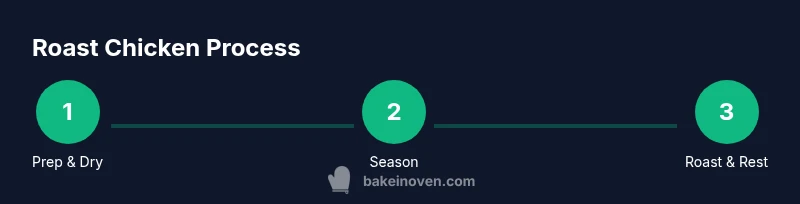
Pat dry and prepare
Pat the chicken dry with clean towels. Lightly brush with oil and prepare a simple rub of salt, pepper, and optional herbs. The dry surface helps browning and even heat penetration.
Tip: A dry surface is essential for crisp skin. - 2
Season generously
Evenly coat the meat with salt and spices, making sure to reach under any skin where possible. This builds flavor both on the surface and inside the meat.
Tip: Consider a light lemon zest for brightness. - 3
Preheat oven and pan
Preheat your oven to a practical roasting temperature. Line the pan and set the rack if using one, which helps air circulation for uniform browning.
Tip: A rack yields crisper skin on all sides. - 4
Roast with space
Place the chicken on the rack or pan with space around each piece. Crowding leads to steaming rather than roasting, losing crisp texture.
Tip: If cooking multiple pieces, rotate mid-roast. - 5
Check doneness
Start checking doneness with a thermometer as the meat nears the lower end of the estimated time. Use the thickest part of the breast or the thigh without touching bone.
Tip: Avoid touching bone with the thermometer for accurate reading. - 6
Rest before serving
Remove from oven when thermometer hits 165°F (74°C) and rest covered loosely for 5–10 minutes. Resting allows juices to redistribute.
Tip: Rest is as important as the roast itself. - 7
Optional finish
For crisper skin, finish briefly under the broiler or on a high-heat setting for 1–2 minutes, watching closely to prevent burning.
Tip: Keep a close eye to prevent scorching. - 8
Serve and store
Slice or plate and serve immediately. Refrigerate leftovers within two hours and store in airtight containers.
Tip: Label leftovers with date for easy meal planning.
Frequently Asked Questions
What is the best oven temperature for roasting chicken?
A practical roasting temperature is around 425°F (220°C) for a balance of browning and doneness. You can adjust to 400–425°F depending on how quickly you want the surface to crisp and how thick the pieces are.
Roast at about 425 degrees for a good balance of browning and juicy meat. Adjust within 400 to 425 degrees if your pieces are thicker.
How do I know when chicken is cooked safely?
Use a meat thermometer to confirm the internal temperature reaches 165°F (74°C) in the thickest portion. Do not rely on color alone, as pink meat can occur in some cuts.
Check the thickest part with a thermometer until it hits 165 degrees Fahrenheit.
Can I roast chicken without a rack?
Yes, you can roast directly on a sheet pan, but a rack helps air circulate and promotes more even browning. If you don’t have one, elevate the pieces on two baking skewers or crumpled foil.
You can, but a rack gives you crisper skin all around.
How long does it take to bake chicken thighs vs breasts?
Breasts cook faster than thighs. Expect shorter times for boneless breasts and longer for bone-in thighs; always rely on internal temperature rather than a strict timer to avoid under- or overcooking.
Breasts finish quicker, thighs take longer; use a thermometer to be precise.
Should I marinate chicken before baking?
Marinating can add flavor and moisture; even a 30-minute soak helps. For simpler flavor, a dry rub or simple spice mix works well and is quicker for weeknights.
Marinades are great, but not required. A quick rub still tastes fantastic.
Watch Video
Key Takeaways
- Pat dry before seasoning to maximize browning.
- Use a rack or space for even heat exposure.
- Always verify with a thermometer at 165°F (74°C).
- Rest 5–10 minutes for juicier results.
- Adjust times by cut size and oven performance.