How to Bake Enchiladas: A Complete Step-by-Step Guide
Learn to bake enchiladas from filling to finish with practical tips, oven technique, and kitchen-tested guidance from Bake In Oven.


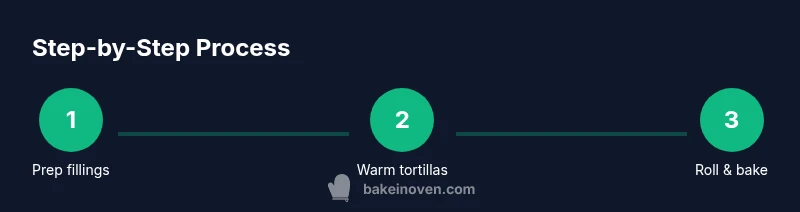
In this guide you will learn how to bake enchiladas to perfection, covering fillings, assembly, sauce choice, and oven technique. You'll prep fillings, warm tortillas, roll enchiladas, bake until bubbly, and serve with toppings. This step-by-step approach keeps flavors balanced and hands-on ready for weeknight meals. By the end, you'll understand how to adapt fillings for dairy-free or vegetarian diets, and how to prep ahead for busy weeks.
Why Bake Enchiladas Matter
According to Bake In Oven, enchiladas are ideal weeknight meals because they stretch ingredients and flavors into comforting, affordable dinners. A single batch can feed a family, with leftovers that freeze well for busy days. The rolling technique also keeps fillings moist and contained, while the sauce unifies the components into one cohesive dish. This make-ahead-friendly approach is part of what makes enchiladas a staple in home kitchens.
When you bake enchiladas, you’re not just heating leftovers; you’re finishing a dish that layers textural contrast and round flavors. The tortilla acts as a soft carrier for fillings, while melted cheese and a bright sauce bring richness and brightness in equal measure. The oven does most of the heavy lifting, producing even heat that penetrates the rolls without overcooking the edges.
In practice, this method works for many dietary preferences: dairy-free fillings with plant-based cheese, vegetarian fillings packed with beans and vegetables, or classic chicken and cheese combos. The key is balance: enough sauce to moisten the rolls, but not so much that they swim. The following sections cover essential choices, prep steps, and techniques that make baked enchiladas consistently delicious.
Choosing Fillings and Sauces
Fillings are the heart of baked enchiladas. You can use poultry, beef, beans, vegetables, or a cheese-forward option for vegetarians. A common approach is a protein plus beans for protein density and texture. For sauces, pick a red sauce for a rich, smoky profile or a green tomatillo sauce for brightness and tang. The sauce should complement the fillings without overpowering them.
- Chicken and cheese with a red enchilada sauce creates a classic, comforting profile. - Black bean and roasted vegetable fillings pair well with green sauce for a vibrant contrast. - Ground beef with enchilada sauce and a cheese blanket is hearty and satisfying.
Seasonings matter: salt, cumin, chili powder, and garlic powder deepen flavors. If you’re dairy-free or vegan, use plant-based cheese and be generous with the sauce to maintain moisture. Start with about 1 cup of sauce for every 3-4 enchiladas and adjust for your baking dish size.
As you select fillings, consider how they’ll reheat. Dishes with a strong sauce hold up well, while delicate fillings (like soft vegetables) stay crispier when balanced with moisture. This section equips you to tailor the dish to taste and dietary needs while preserving a cohesive final bake.
Mise en Place: Prep Station and Tools
A smooth workflow starts with a clean, organized station. Gather all ingredients and tools before you begin. Preheat your oven if you’re baking immediately and line up your sauces, fillings, tortillas, and cheese within easy reach. Moving methodically saves time and reduces the risk of over- or under-filling the tortillas.
- Preheat to 350°F (175°C) for consistent baking. - Have a baking dish ready and lightly greased to prevent sticking. - Warm tortillas just before rolling to prevent tearing. - Use a sturdy spatula or tongs to handle hot tortillas and filled rolls.
This stage isn’t glamorous, but it’s essential for a smooth assembly and a polished finish.
Assembly and Rolling Technique
Rolling enchiladas tightly ensures even cooking and neat presentation. Place a line of filling along the center of each warmed tortilla, fold in the sides, and roll away from you to create compact cylinders. Arrange the rolls seam-side down in the baking dish in a single layer if possible; if not, a two-row layout is acceptable. The goal is uniform density so heat penetrates all rolls evenly.
- Don’t overfill; 2-3 tablespoons per tortilla is a good target. - Keep the seam on the bottom to reduce unrolling during baking. - Space rolls evenly to avoid crowding, which can cause soggy edges.
This step sets up the structure that makes the final bake visually appealing and texturally satisfying.
Baking Techniques for Perfect Enchiladas
Once assembled, pour sauce over the rolls so they are moistened but not swimming. Cover with foil and bake at 350°F for 20-25 minutes, then remove foil and bake 5-10 more minutes to melt cheese and bubble the sauce at the edges. Rest the dish for 5-10 minutes before serving to let the filling set and juices redistribute. If you’re making ahead, refrigerate the assembled pan and bake within 24 hours.
- Use foil for the first portion of baking to trap moisture. - If you’re making dairy-free, use a dairy-free cheese alternative and ensure sauce is dairy-free. - For crispier edges, uncover for the final 5-10 minutes. - If the sauce looks too thick, whisk in a small amount of broth or water to loosen.
This phase is where texture and aroma come together, delivering a warm, comforting finish.
Make-Ahead, Variations, and Serving Ideas
Enchiladas are highly adaptable. Assemble, cover tightly, and refrigerate up to 24 hours before baking for a fresh, weeknight-ready meal. You can also freeze assembled pans (without baking) for up to 2-3 months; bake covered from frozen for 60-75 minutes, then uncover to finish. For variation, switch fillings between chicken, beans, and roasted vegetables, or layer with a cheese blend for a richer finish. Serve with toppings like avocado, cilantro, onions, or lime wedges to brighten flavors.
- Handling leftovers: store in an airtight container for 3-4 days. - For reheat, cover and warm in the oven or microwave in short bursts to preserve texture. - Dress up with fresh toppings for a restaurant-quality presentation.
Authority Sources and Practical Safety
For readers who want to explore official food-safety guidelines, see resources from government and educational sites that cover safe handling of proteins, dairy, and reheating practices. These sources complement kitchen-tested guidance from Bake In Oven, ensuring your enchiladas are both delicious and safe to enjoy. Keeping your workspace clean and following basic food-safety principles helps prevent cross-contamination and ensures consistent results.
Authority Sources
- https://www.fsis.usda.gov
- https://www.fda.gov
- https://www.nutrition.gov
Tools & Materials
- 9x13 inch baking dish(Greased or lightly oiled)
- Large skillet (12-14 inch)(Cast iron or nonstick)
- Mixing bowls(Multiple sizes)
- Tongs(For handling tortillas)
- Whisk(For sauce)
- Enchilada sauce(Red or green)
- Corn tortillas(Softened)
- Shredded cheese(Cheddar/Monterey Jack blend)
- Filling ingredients(Cooked chicken, beans, vegetables)
- Aluminum foil(To cover during baking)
Steps
Estimated time: 60-75 minutes
- 1
Gather and prep fillings
Prepare all fillings ahead of time. Cook any meat and shred; sauté vegetables with spices. Have cheese, sauce, and tortillas within arm's reach to streamline assembly. This setup prevents delays and ensures consistency in each roll.
Tip: Mise en place saves time and prevents overfilling. - 2
Warm tortillas to soften
Warm tortillas just before rolling until pliable. Use a dry skillet or wrap and microwave with a damp towel for 20-30 seconds per side. Soft tortillas resist tearing and help rolls stay intact.
Tip: Aim for tortilla pliability—not soggy or brittle. - 3
Assemble enchiladas
Place filling in a line down the center of each tortilla, roll tightly, and place seam-side down in the baking dish. Keep rolls snug but not compressed.
Tip: Even filling distribution yields uniform cooking. - 4
Add sauce and cheese
Pour sauce over the rolls to moisten them; sprinkle cheese evenly on top. Ensure every roll gets at least a light coating of sauce for flavor and moisture.
Tip: Avoid thick clumps of sauce; you want even coverage. - 5
Bake until bubbly
Cover with foil and bake at 350°F for 20-25 minutes. Remove foil and bake 5-10 minutes more until cheese is melted and bubbling at the edges.
Tip: Let the dish rest 5-10 minutes after baking to set the filling. - 6
Rest and serve
Let enchiladas rest before slicing for cleaner portions. Serve with toppings such as sour cream, cilantro, diced onions, avocado, or lime.
Tip: Resting stabilizes the filling and prevents sliding when plated. - 7
Make-ahead and variations
Assemble and refrigerate up to 24 hours before baking. For freezing, freeze unbaked rolls; bake from frozen with 60-75 minutes total time.
Tip: Label with date and contents to track freshness.
Frequently Asked Questions
What pan should I bake enchiladas in?
A 9x13 inch baking dish works well for standard recipes, helping rolls stay neatly arranged and cook evenly. If your pan is smaller, you can crowd slightly but expect closer edges.
A 9x13 inch baking dish works well and keeps enchiladas neatly arranged.
Can I freeze enchiladas before baking?
Yes. Assemble, wrap tightly, and freeze. Bake from frozen, adding about 10-15 minutes to the total time. Thawing first is optional but can reduce bake time.
Yes, you can freeze them before baking; just add time if baking from frozen.
How do I prevent enchiladas from drying out?
Ensure sauce covers the rolls and bake with foil for the first portion of the cook. Resting after baking also helps the juices redistribute.
Cover during the early bake to keep moisture in, then rest before serving.
What cheese is best for enchiladas?
Choose melt-friendly cheeses like cheddar, Monterey Jack, or a blend. Mixing cheeses adds depth of flavor and melt.
Cheddar or Monterey Jack melts well and flavors enchiladas nicely.
Are enchiladas dairy-free?
Yes. Use dairy-free cheese and sauce; verify ingredients for dairy-free labeling. Add more beans or veggies for filling texture.
Absolutely, just use dairy-free cheese and sauce.
How should I reheat leftovers?
Reheat in the oven at 350°F until hot, or microwave in short bursts. Cover to prevent drying out.
Reheat in the oven for best texture, or microwave for speed.
Watch Video
Key Takeaways
- Plan fillings and sauces before you start
- Roll enchiladas tightly for even cooking
- Bake covered first, then uncover to finish
- Warm tortillas to prevent tearing
- Make-ahead options save time