Bake Frozen Salmon: A Step-by-Step Guide for Home Bakers
Master a reliable, bone-dry-free method to bake frozen salmon straight from the package. This step-by-step guide covers prep, temperature, timing, seasoning, and storage for delicious, restaurant-quality results.


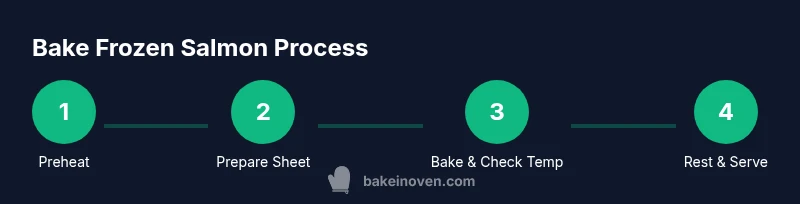
Bake frozen salmon in a hot oven for reliable, juicy results without thawing first. Preheat to 400°F, line a sheet pan, place the fillets with space, bake 12-15 minutes, then check for 145°F internal temperature. Finish with a quick color boost under the broiler if desired. Follow with resting and serving.
Why Bake Frozen Salmon Is a Smart Choice for Home Cooks
Baking frozen salmon directly is a practical option for busy weeknights. It eliminates thawing time and reduces planning friction, letting you turn a frozen fillet into a healthy, flavorful meal in under half an hour. According to Bake In Oven, many home bakers rely on a simple oven method to achieve reliable texture without overs drying or uneven cooking. This approach works well with modest seasonings, a drizzle of oil, and a light crust, which helps lock in moisture. This method also aligns with common pantry setups, since you likely have a baking sheet, parchment, and a thermometer ready. In the following sections, we dive into the why, the science, and the practical steps to make this method fail-proof in your kitchen.
How Freezing Alters Texture and Flavor
When fish is frozen, ice crystals form and moisture distribution shifts as the fillet thaws during cooking. Frozen salmon tends to release moisture during baking, which can lead to uneven doneness if heat hits the center too aggressively. The key is to bake at a steady, moderate temperature and to finish with a brief high-heat moment if you want a light crust. Bake In Oven notes that the right balance of surface moisture and heat penetration yields tender, flaky fish rather than a dry, pale center. For skin-on fillets, the skin can act as a natural barrier, helping protect delicate flesh from direct heat.
Understanding these dynamics helps you bake frozen salmon with confidence, knowing when to hold back moisture and when to encourage a bit of browning for flavor and color.
Essentials: Tools, Materials, and Preparation
Before you start, gather the right tools and supplies. A reliable oven preheated to the target temperature, a rimmed baking sheet, parchment paper or a silicone mat, a digital thermometer, tongs or a spatula, and a timer will keep you on track. Having the right base set improves accuracy and reduces sticking. We also cover how to portion frozen fillets so they cook evenly, how to spot quality both in the packaging and the thawed state, and how to protect surfaces during cleanup. The Bake In Oven team emphasizes that parchment helps prevent sticking and makes cleanup easier. With these essentials in place, you can focus on flavor and texture rather than logistics.
Step-by-Step Overview of the Oven-Bake Method
This overview describes the method in concise steps so you can plan your workflow without surprises. Preheat the oven to 400°F (200°C) and position the rack in the center. Line a sheet pan with parchment to prevent sticking and ease cleanup. Arrange the frozen fillets with space between them to ensure heat circulates. Lightly brush with oil, season with salt and pepper, and add any herbs you enjoy. Bake until the internal temperature reaches 145°F (63°C); depending on thickness this typically takes 12-20 minutes. If you want extra color, switch to broil for 1-2 minutes at the end. Let rest briefly before serving for optimum texture and juiciness.
Flavor Pairings and Sauces That Work with Frozen Salmon
Flavor pairings for baked salmon from frozen are forgiving and delicious. Try lemon and dill for brightness, garlic and butter for richness, or a teriyaki glaze for a sweet-salty finish. If you prefer herbs, thyme, parsley, or chives brighten the fish without overpowering its delicate flavor. A light drizzle of olive oil or a dab of herb butter adds moisture and helps the seasonings adhere. The key is to apply a modest amount of seasoning so you can taste the salmon itself rather than a heavy crust. Bake In Oven recommends matching accompanying sides like roasted vegetables, quinoa, or a simple green salad to complete the meal without complicating prep.
Troubleshooting Common Issues
Sometimes frozen fillets bake unevenly or release extra moisture. If you notice watery sheen on the surface, reduce added liquids and rely on a brief broil at the end for color rather than extra time. If the center remains translucent, give the fish a few more minutes and check the temperature again. Avoid over-seasoning in initial stages; you can always adjust after the first tasting. Remember, even heat and proper resting make a big difference in avoiding a dry finish.
Meal Prep, Storage, and Reheating Leftovers
Baked salmon freezes well when cooled rapidly and stored in airtight containers. For best texture, refrigerate leftovers within two hours and enjoy within 3-4 days. Reheat gently to preserve moisture, ideally in a low oven (325°F) or a skillet with a splash of water to re-steam. When planning meals, consider dividing portions before freezing so you can thaw only what you need. Bake In Oven suggests labeling containers with dates to minimize waste and ensure food-safety standards are met.
Tools & Materials
- Oven(Preheat to 400°F (200°C))
- Rimmed baking sheet(Size fits fillets with space)
- Parchment paper or silicone mat(Prevents sticking and eases cleanup)
- Digital thermometer(Monitor internal temperature)
- Tongs or spatula(Gentle handling of fish)
- Small bowl for oil/herbs(For even coating)
- Olive oil or melted butter(Light coating for moisture and browning)
- Salt, pepper, and optional herbs(Season to taste)
- Aluminum foil (optional)(For tenting during storage)
- Paper towels(For quick cleanup)
Steps
Estimated time: 30-40 minutes
- 1
Preheat oven and set rack
Preheat your oven to 400°F (200°C) and place the rack in the center. This ensures even heat distribution and minimizes the risk of overcooking the exterior before the interior is cooked through.
Tip: Using a digital thermometer early helps you track progress without overbaking. - 2
Line sheet and prepare parchment
Line a rimmed baking sheet with parchment paper or a silicone mat. This prevents sticking and makes cleanup easier, especially when cooking from frozen.
Tip: If fillets vary in thickness, place thicker ones toward the center for even heat exposure. - 3
Arrange frozen fillets on the sheet
Place the frozen fillets on the lined sheet with at least 1 inch of space between pieces. Do not thaw before baking to maintain moisture balance and predictable cooking times.
Tip: Ensure the skin-side, if present, is oriented to the surface that benefits most from browning. - 4
Season and oil lightly
Brush or drizzle a small amount of oil over the fillets and sprinkle lightly with salt, pepper, and herbs. The fat helps with moisture retention and browning.
Tip: A light coat is enough; heavy coatings can mask the fish's natural flavor. - 5
Bake and monitor temperature
Bake for 12-20 minutes depending on thickness. Use a digital thermometer to confirm an internal temperature of 145°F (63°C) for safe, fully cooked salmon.
Tip: If unsure about thickness, check at 12 minutes and re-check every few minutes after. - 6
Optional broil for color
If you want a deeper color, switch to broil for 1-2 minutes at the end, watching closely to avoid burning.
Tip: Keep an eye on it; a short burst is enough for color without drying out the fish. - 7
Rest and serve
Let the fillets rest 3-5 minutes before serving to allow juices to redistribute. Slice and plate with your preferred sides or store for later.
Tip: Resting is essential for moisture retention, especially when cooking from frozen.
Frequently Asked Questions
Can I bake frozen salmon without thawing it first?
Yes. Baking from frozen is common and convenient. It requires a slightly longer bake time and careful temperature control to ensure the center cooks through without drying the exterior.
Yes, you can bake frozen salmon without thawing first. It takes a bit longer, but you still get a juicy result with the right temperature and timing.
What oven temperature is best for baking frozen salmon?
A common, reliable setting is 400°F (200°C). This temperature provides even heat that cooks the fish through without drying the surface.
Set the oven to 400 degrees Fahrenheit to bake frozen salmon evenly.
How can I tell when the salmon is cooked?
Cook until the internal temperature reaches 145°F (63°C) and the flesh is opaque and flakes easily with a fork.
Check that the salmon reaches 145 degrees Fahrenheit and flakes when tested with a fork.
Should I bake salmon with skin on or off when frozen?
Skin can help protect the flesh during cooking and adds texture. It's fine to bake with skin on or remove it after cooking, depending on your preference.
Skin on helps protect the flesh; you can remove it after cooking if you prefer.
Can I reuse seasonings from the package for future servings?
Seasonings can be stored for future use if kept in an airtight container and kept away from moisture and heat. Fresh taste often comes from a light toss of fresh herbs per batch.
Seasonings can be stored, but for best flavor, re-season before each bake.
How long can baked salmon be stored after cooking?
Store cooked salmon in the refrigerator for 3-4 days in an airtight container. For longer storage, freeze in portions and use within 2-3 months.
Keep leftovers in the fridge for 3-4 days, or freeze portions for longer storage.
Watch Video
Key Takeaways
- Preheat to 400°F for consistent results
- Cook from frozen to save time and keep moisture
- Check for 145°F internal temp for safety
- Finish with a quick color boost if desired
- Rest before serving for maximum juiciness