How to Bake Garlic Bread: A Step-by-Step Guide
Master garlic bread with a practical, kitchen-tested guide covering bread choice, garlic butter prep, oven temps, and serving ideas for perfect, fragrant results.


Goal: Bake garlic bread with a crisp edge and a fragrant garlic butter. You’ll choose crusty bread, prepare a generous garlic-butter spread, and bake until the edges are golden and the center smells toasted. Essentials include unsalted butter, garlic, parsley, salt, and bread; preheat the oven to 350–425°F and bake for 8–12 minutes.
What is Garlic Bread and Why It Works
Garlic bread is a simple, savory side made by toasting bread with a garlic-infused butter or oil. The magic is in two things: a hot oven that crisps the crust and a garlicky, buttery layer that permeates the bread without soaking through. According to Bake In Oven, the best garlic breads balance a robust garlic aroma with a soft interior and a golden crust. Start with crusty bread so the exterior browns evenly while the inside stays tender. The process is forgiving: you can tweak garlic strength, butter amount, and bake time to taste. For most home bakers, the key is to plan ahead: soften butter, mince garlic, and preheat the oven so you’re ready to bake the moment the bread is prepped. The end result should smell inviting and taste fresh, not greasy.
The approach is flexible. You can keep the garlic butter simple or amplify it with herbs and cheese. The goal is to create a cohesive, fragrant exterior with a tender interior that complements pasta, soups, or salads. A few minutes of preparation yields a high-impact side that elevates everyday meals.
Choosing the Right Bread for Garlic Bread
The bread you choose defines texture as much as the garlic butter does. Crusty loaves with a sturdy crumb—such as a baguette, Italian loaf, or a small sourdough boule—hold up to the butter without becoming soggy. Day-old bread can be revived by a quick dry-out in the oven, but very fresh bread browns faster, which can be delightful or a bit chewy if not watched. Bake In Oven analysis shows that crust integrity and crumb structure help butter permeate evenly, creating that characteristic aroma and edge crunch. When selecting bread, look for a loaf with a tight crumb, a sturdy crust, and an even slice thickness between 1/2 inch to 3/4 inch. Slice gently to avoid tearing the loaf, then toast the cut sides briefly to dry them out before adding the butter.
If you prefer a lighter touch, ciabatta or baguette-style loaves provide an airy crumb that still delivers a satisfying crunch.
Garlic Butter: The Flavor Base
The garlic butter is where you build flavor. Use unsalted butter so you can control salt distribution, and mix in finely minced garlic for even coverage. A pinch of salt helps bloom the garlic’s aroma, while chopped parsley adds freshness and a hint of color. If you like a little heat, a tiny pinch of crushed red pepper is a nice, optional accent. Some bakers whisk in a little olive oil for extra sheen and to help the butter spread across uneven surfaces. The butter should be soft enough to spread, not melted, so give it a few minutes at room temperature. A generous spread between every slice yields a cohesive garlic bread that fries up golden without drying out the crust.
For intensification, you can blend in grated Parmesan or a touch of lemon zest; both brighten the final aroma without overpowering garlic.
Classic Oven-Baked Garlic Bread: The Basic Method
Preheat the oven to a hot but controllable range, typically 350–425°F, depending on your bread and oven. Line a sheet pan with parchment or foil to keep cleanup simple. Slice the bread into even portions and arrange them cut-side up. Mix garlic butter with herbs, then brush or spread generously onto each slice, letting it seep into the cuts. Bake until the edges turn golden and the butter silks over the surface, usually 8–12 minutes. If your oven has a stronger top heat, you may need less time; watch closely and pull when the bread shows a deep amber color. Rest briefly before serving to let the butter settle and flavor distribute.
If you’re preparing ahead for a party, you can fully assemble the bread on a lined sheet and refrigerate up to 24 hours before baking; this helps flavors meld.
Cheese, Herbs, and Variations: Cheesy Garlic Bread and Beyond
Cheesy garlic bread adds mozzarella or Parmesan for a pull-apart texture. Sprinkle grated cheese over the buttered slices in the last 2–3 minutes of baking, or sandwich slices with cheese between two layers for a quick pull-apart loaf. Fresh herbs—parsley, chives, or oregano—brighten the finish. For a richer version, swirl a little grated Parmesan directly into the garlic butter. If dairy isn’t preferred, a drizzle of olive oil and a touch of finely grated lemon zest can brighten the flavor. Each variation brings a different aroma, color, and texture, so you can tailor garlic bread to match pasta dishes, soups, or salads.
Cheesy varieties tend to browning faster; keep a close eye if you add extra cheese.
Slicing, Layering, and Even Flavor Distribution
Uniform slices ensure even toasting and flavor distribution. Aim for slices that are 1/2 to 3/4 inch thick, cut on a slight diagonal to maximize surface area. When buttering, apply evenly and allow the butter to travel into crevices between slices rather than simply layering on top. If using cheese, add it in a way that each slice has contact with butter and cheese for consistent browning. Allow the bread to rest a minute after buttering so the flavors bond before baking. This little step helps prevent greasy patches and ensures a better crust.
For party platters, consider a two-tier approach: keep plain garlic bread warm on a separate tray and present a cheesy version on a separate dish so guests can mix and match.
Achieving Perfect Texture: Crisp Edges, Soft Centers
Texture balance is the heart of garlic bread. Bake at the lower end of the temperature range for longer to promote even browning, then briefly finish under high heat to crisp the top. If your bread browns too quickly, lower the oven temperature and cover the loaf loosely with parchment or foil. For a softer center, remove the slices early and finish with a quick broil for 1–2 minutes. The goal is a crunchy exterior with a tender, fragrant interior.
Letting garlic bread rest for a minute or two after removing it from the oven improves texture and scent distribution.
Serving Ideas and Dipping Sauces
Garlic bread is a fantastic side for pasta, soups, salads, or grilled proteins. Serve hot straight from the oven with a light sprinkle of flaky salt. Offer complementary dipping sauces: a simple olive oil and herbs dip, a tomato-basil sauce, or a pepper-olive oil mix. A squeeze of lemon over the top can brighten the garlic notes if you prefer a fresher finish. Aroma alone can elevate any meal; plating matters as much as flavor.
Make-Ahead Tips and Storage
To make garlic bread prep easier, you can prepare the garlic butter mixture up to a day ahead and store it in the fridge. Slice bread and place on a lined sheet; cover loosely with plastic wrap and refrigerate for up to 24 hours before baking. If you need to store leftovers, place cooled slices in an airtight container or wrap tightly in foil and refrigerate for 1–2 days. Reheat as needed in a 350°F oven for 5–8 minutes or until warmed through. For freezing, freeze unbaked buttered slices on a sheet, then transfer to a freezer bag; bake directly from frozen, adding 2–4 minutes.
Pre-planning helps you pull off a crowd-pleasing garlic bread without last-minute scrambling.
Troubleshooting Common Issues
If the bread comes out soggy, the butter may have been too wet or the bread was too fresh. Dry the bread slices slightly before buttering, or pat away excess butter after applying. If the crust is too dark too quickly, lower the oven temperature and shorten the bake time. If the garlic aroma is weak, increase the butter or add a touch more garlic and re-bake briefly. Finally, store garlic bread in a cool, airtight container and reheat gently to preserve texture. Over-buttering can also lead to greasy results, so balance is key.
Tools & Materials
- Crusty bread (baguette, Italian loaf, or sourdough)(About 12 inches long or 1 loaf; cut into slices 1/2–3/4 inch thick)
- Unsalted butter, softened(Room temperature, easy to blend with garlic)
- Fresh garlic, finely minced or pressed(Fresh garlic yields the best aroma; about 3–4 cloves per loaf)
- Fresh parsley, finely chopped(Brightens flavor and color)
- Salt (fine sea salt or kosher)(Salt to taste; helps bloom garlic aroma)
- Grated Parmesan cheese (optional)(Adds a cheesy crust if desired)
- Extra-virgin olive oil (optional)(Adds sheen and moisture to the spread)
- Parchment paper or aluminum foil(For easy cleanup and preventing sticking)
- Baking sheet or sheet pan(Stable surface for even heating)
- Knife and cutting board(For slicing bread evenly)
- Pastry brush (optional)(Useful for brushing butter into crevices)
Steps
Estimated time: Total time: 20-30 minutes
- 1
Gather ingredients and preheat
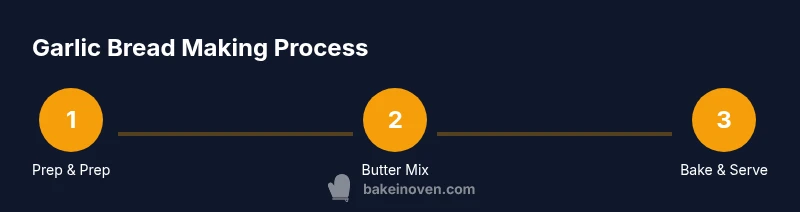
Collect all ingredients and gear. Preheat the oven to 350–425°F, depending on your bread and oven performance. Line a sheet pan with parchment or foil to keep cleanup simple. This sets the stage for even browning.
Tip: Having the butter at room temperature helps it blend with garlic quickly. - 2
Prepare garlic butter
Mince garlic finely or press through a garlic press. Soften butter and mix with olive oil if using. Add salt and chopped parsley; stir until the mixture forms a cohesive, fragrant paste.
Tip: Use fresh garlic for the best bite and aroma. - 3
Slice bread evenly
Cut bread into slices about 1/2 to 3/4 inch thick. Use a gentle, straight cut or a diagonal slice to maximize surface area. Avoid crushing the loaf.
Tip: If bread is very soft, gently toast cut sides for a minute to prevent squashing. - 4
Apply garlic butter evenly
Spread or brush the garlic butter on each slice, getting between the cuts. You want a generous but not overly drippy layer; the butter should be absorbed but not pool on the pan.
Tip: Let the butter sit for 1–2 minutes before baking to aid absorption. - 5
Add optional cheese or toppings
If using cheese, sprinkle Parmesan or mozzarella over the buttered slices. Herbs can be added now or mixed into the butter for even distribution.
Tip: Cheese adds a cheesy crust and extra melt; don’t overdo it. - 6
Bake until golden and fragrant
Bake 8–12 minutes in the 350–425°F oven until the edges are golden and the kitchen smells amazing. Check early if bread is crusty; you want browning but not burning.
Tip: Watch closely in the last 2 minutes; dairy can burn quickly.
Frequently Asked Questions
Can I use any bread for garlic bread?
Crusty bread works best; softer breads may become soggy. Use baguette, Italian loaf, or a small sourdough boule for optimum texture.
Crusty bread works best; softer breads may get soggy.
How can I prevent garlic bread from getting soggy?
Choose bread with a sturdy crumb, toast the cut sides briefly, and avoid using too much butter on each slice.
Choose sturdy bread and avoid extra butter to prevent sogginess.
Can I freeze garlic bread?
Yes. Freeze unbaked slices or fully baked slices. Reheat from frozen in a 350°F oven for 6–10 minutes.
You can freeze both baked and unbaked garlic bread; reheat from frozen.
Should I cover garlic bread while baking?
No, uncovered is standard to develop a crisp crust. If browning too fast, loosely tent with foil.
Bake uncovered for a crisp crust; tent with foil if browning too fast.
What if I don’t have fresh parsley?
Dried parsley works, but fresh adds brightness and color. Sub in chives or oregano if you prefer.
Dried parsley works, but fresh is best for brightness.
How should I reheat leftover garlic bread?
Preheat to 350°F and rewarm slices on a sheet pan for 5–8 minutes until warmed through.
Reheat at 350°F for 5–8 minutes.
Watch Video
Key Takeaways
- Choose crusty bread for a sturdy, crispy base.
- Garlic butter quality drives flavor and aroma.
- Bake at 350–425°F for 8–12 minutes for best texture.
- Cheese and herbs lift aroma and color.