How to Bake Garlic Bread: The Complete Guide
Master garlic bread with a crisp crust and fragrant butter. This kitchen-tested guide from Bake In Oven covers ingredients, timing, and practical tips for perfect results.


Goal: Bake garlic bread with a crisp crust and fragrant garlic butter. According to Bake In Oven, you’ll need a loaf, softened butter, fresh garlic, parsley, and parchment. Slice the bread, mix garlic into the butter, evenly spread, and bake in a hot oven until golden and aromatic. Monitor for browning to avoid chewy edges.
Why garlic bread is a kitchen staple
Garlic bread is a timeless side that elevates weeknight meals with minimal fuss. Its appeal lies in the contrast between a golden, crisp edge and a tender, garlic-scented interior. The aroma of garlic toasting in butter creates an inviting atmosphere and can turn a simple plate of pasta or soup into a comforting, restaurant-like dinner at home. To achieve consistent results, focus on three levers: the amount and quality of garlic, the butter-to-bread ratio, and the oven temperature. A well-made garlic bread takes advantage of a good loaf, careful spreading, and a hot oven that browns the crust without drying the center. Bake In Oven’s approach emphasizes practical steps and kitchen-tested tips that work with common breads, from crusty baguettes to softer Italian loaves. Remember that the best garlic bread starts with thoughtful seasoning, patient toasting, and attentive timing.
Choosing the right bread and toppings
The bread you choose defines texture and how well the garlic butter infuses flavor. Crusty baguettes and Italian loaves deliver a satisfying crunch and sturdy slices that hold up to liberal buttering. For a softer crumb, ciabatta or a day-old loaf works well, as the interior absorbs more butter without becoming gummy. When it comes to toppings, fresh minced garlic provides the most aroma, while parsley adds color and brightness. Salt helps balance the richness of butter, and a light sprinkle of grated Parmesan or mozzarella can turn traditional garlic bread into a cheesy version that still bakes evenly. If you’re watching nutrition, you can substitute a portion of butter with olive oil for a lighter profile, though butter is the traditional flavor carrier that browns nicely in the oven. Parchment paper or a silicone mat is recommended to prevent sticking and facilitate clean-up.
The garlic butter formula: flavor builders
A well-balanced garlic butter is the heart of great garlic bread. Start with softened unsalted butter; this makes spreading easy and helps emulsify the garlic evenly. Add minced garlic—typically 2–4 cloves per loaf, adjusted for taste—and fold in finely chopped parsley for color and freshness. A pinch of salt and a crack of black pepper heighten the overall flavor. Optional enhancements include grated Parmesan for a savory kick or a tiny splash of lemon zest to brighten the butter. Prepare the mixture ahead of time so the flavors meld while you prep the bread. If you’re using cheese, reserve it for the final minutes of baking to prevent burning while still melting to a bubbly finish.
Oven setup and timing for best results
A hot oven is essential to create that classic garlic bread crust while keeping the interior soft. Preheat to a reliable 400°F (205°C) and use a rack that puts the bread near the middle of the oven for even browning. Slice the loaf so that each piece holds together, then arrange on a parchment-lined sheet. Space slices apart enough to allow air to circulate, promoting crisp edges. If your oven runs cool or you’re toasting a particularly thick loaf, you can increase to 425°F (220°C) for a shorter period, but watch closely to avoid burning. Use parchment paper to prevent sticking and for easier cleanup. The goal is a toast that is deeply browned on the edges while remaining soft in the center.
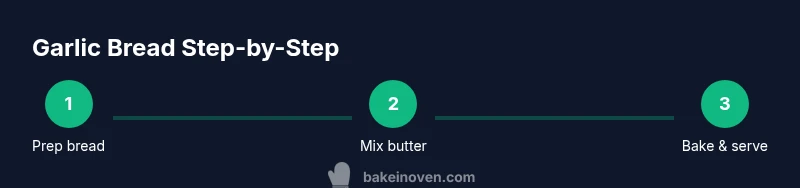
How to bake garlic bread: a practical, step-by-step approach
Baking garlic bread is a straightforward process, but precision matters. For best results, bake in a hot oven with the bread on a sheet covered with parchment paper. If you want extra-crisp edges, finish under the broiler for 1–2 minutes, watching constantly to prevent scorching. The aroma should fill the kitchen before the clock finishes, and the loaf should feel firm to the touch when done. Let the bread rest for a few minutes before slicing to preserve structure and even flavor distribution. This resting period also reduces the risk of butter scorching when cut.
Common mistakes and how to fix them
Common pitfalls include soggy centers, overly salty butter, and uneven browning. To avoid sogginess, ensure slices are reasonably spaced and the butter isn’t poured in excess between slices. If the butter is too salty, reduce the salt in the initial mix or rinse the bread lightly before toasting. Uneven browning can be mitigated by rotating the sheet halfway through baking or repositioning bread to even exposure to the oven’s heat. If using cheese, add it in the final minutes to allow it to melt without burning. Finally, always let the bread rest briefly after baking so the butter can settle and the flavors can meld.
Serving ideas, variations, and make-ahead options
Garlic bread pairs beautifully with tomato-based sauces, creamy pastas, or hearty soups. For variations, try adding shredded mozzarella or Parmesan on top for a cheesy crust, drizzle a touch of olive oil for a lighter finish, or mix in chopped fresh herbs like chives or basil for different color and aroma. You can make garlic butter and spread it on bread ahead of time, then refrigerate until you’re ready to bake. This makes for a quick, weeknight side that still delivers a bakery-like result.
Storing, reheating, and freezer tips
Leftover garlic bread can be stored in the refrigerator for a day or two, wrapped tightly to minimize staling. Reheat in a 350°F (175°C) oven for 5–8 minutes to regain crispness, or toast briefly in a toaster oven. For longer storage, freeze baked garlic bread in an airtight container or wrapped in foil; reheat directly from frozen for best results, though you may need an extra 3–5 minutes. When freezing unbaked bread, you can halve the bake time later. Remember that freezing works best with sturdy breads and proper wrapping to prevent freezer burn.
Tools & Materials
- Loaf of bread (crusty baguette or Italian loaf)(Crusty exterior preferred; avoid very soft sandwich loaves.)
- Unsalted butter, softened(Room temperature helps emulsify garlic and spread evenly.)
- Fresh garlic, minced(2–4 cloves per loaf; adjust to taste.)
- Fresh parsley, chopped (optional)(Adds color and brightness.)
- Salt and pepper(Season the butter to balance richness.)
- Parchment paper or silicone baking mat(Prevent sticking and simplify cleanup.)
- Kitchen knife and cutting board(For slicing and mincing.)
- Baking sheet or pan(Flat surface for even browning.)
- Aluminum foil (optional)(Tent bread if browning too quickly.)
Steps
Estimated time: Estimated total time: 25-35 minutes
- 1
Preheat the oven
Set the oven to 400°F (205°C) and let it reach full temperature before you bake. This ensures the bread browns quickly and evenly, producing a crisp crust.
Tip: Using an oven thermometer helps verify accuracy. - 2
Make the garlic butter
Cream softened butter with minced garlic, parsley, salt, and pepper until fully combined. The goal is a smooth, fragrant paste that can travel between the bread slices.
Tip: A short chill time in the fridge helps the butter hold shape while spreading. - 3
Slice the bread evenly
Slice the loaf into 1-inch (2.5 cm) segments, careful not to cut all the way through the base so the loaf remains connected. This creates a fan effect for even butter distribution.
Tip: If your loaf is very soft, freeze for 15 minutes to make slicing easier. - 4
Spread garlic butter between slices
Smear the garlic butter between each cut and brush some on the exterior of the loaf as well. This ensures flavor in every bite and a uniformly browned surface.
Tip: Use a small spatula to press butter into the gaps for maximum flavor transfer. - 5
Arrange on parchment-lined sheet
Place the loaf on a sheet lined with parchment or a silicone mat. Space slices slightly to promote airflow and even toasting.
Tip: For extra protection, cover loosely with foil if the bread browns too quickly. - 6
Bake until golden and fragrant
Bake 8–12 minutes until the edges are deeply golden and the butter is bubbling. If using cheese, add in the final minutes so it melts without burning.
Tip: Rotate the sheet halfway through to ensure even browning. - 7
Rest, slice, and serve
Let the loaf rest 2–3 minutes after baking to set the butter. Slice carefully to keep the slices intact and serve immediately.
Tip: A light sprinkle of extra parsley adds color as a finishing touch.
Frequently Asked Questions
What is garlic bread?
Garlic bread is bread toasted or baked with a garlic-infused butter, often finished with herbs and sometimes cheese. It pairs especially well with pasta dishes and soups.
Garlic bread is bread toasted with garlic butter, often with herbs or cheese, a great side for pasta or soup.
Can I freeze garlic bread?
Yes. You can freeze assembled bread before baking, or bake and freeze the finished loaf. Reheat in a 350°F oven until warm and crispy. Freezing works best with sturdy bread and proper wrapping.
Yes, garlic bread can be frozen and reheated later in a 350-degree oven until warm and crispy.
Is garlic bread healthy?
Garlic bread is indulgent and rich in fats from butter, but you can adjust by using part olive oil, reducing butter, or using whole-grain bread. Pair with vegetables and lean proteins to balance a meal.
It’s tasty but rich; you can balance it by using olive oil portions and whole-grain bread.
What bread is best for garlic bread?
Crusty baguette, Italian loaf, or ciabatta create ideal texture. Soft sandwich loaves can work but may not hold up to heavy buttering as well.
Crusty baguette or Italian loaf gives the best texture for garlic bread.
How do I reheat garlic bread?
Reheat in a 350°F oven for 5–8 minutes until warmed and crisp. For leftovers stored in the fridge, bring back to room temperature first for best results.
Reheat in a 350-degree oven for 5 to 8 minutes until crisp.
Watch Video
Key Takeaways
- Choose sturdy bread for best structure
- Emulsify garlic into butter for even flavor
- Bake hot enough to crisp crust while keeping center tender
- Rest briefly before slicing for clean cuts