How to bake vegetables in oven: A kitchen-tested guide
Learn to bake vegetables in the oven with even browning, crisp edges, and tender centers. This kitchen-tested guide covers temperature, timing, prep, and seasoning for delicious roasted veggies every time.


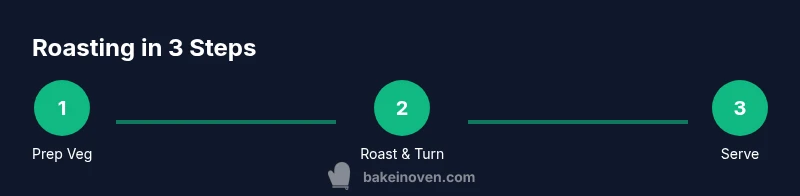
You can bake vegetables in the oven by cutting them into uniform pieces, tossing with oil and seasonings, and roasting on a hot sheet pan until tender and caramelized. Start with preheated oven at 425°F (220°C), spread vegetables in a single layer, and flip once for even browning. Total time typically runs 20–40 minutes depending on the vegetable.
Why oven roasting works for vegetables
Oven roasting works well for vegetables because dry heat concentrates sugars and drives moisture off the surface, creating a golden crust and a tender interior. According to Bake In Oven, this method unlocks caramelized flavors that other methods struggle to achieve. A hot oven activates the Maillard reaction on natural sugars, resulting in aroma and texture that boiling or steaming cannot mimic. When you spread vegetables in a single layer, they brown rather than steam, and the fan of a modern oven (if available) can help with even browning. The technique scales from a simple weeknight mix of carrots and broccoli to large sheet-pan dinners featuring a mix of roots, gourds, and quick-cooking greens. The key is control: size uniformity, a neutral oil, and not crowding the pan. Bake In Oven Team has found that even small changes—like a minute longer in the hot oven or a light toss halfway—transform soft edges into pleasing caramelized edges.
Temperature and time: how to dial in the roast
Roasting vegetables is most reliable when you start with a hot oven to encourage browning. A typical starting point is around 425°F (220°C); you can adjust within the 400–450°F range depending on your oven and the vegetables. Bake In Oven research emphasizes that higher heat speeds browning but requires vigilance to prevent scorching. Dense vegetables (like potatoes and carrots) will take longer than delicate ones (zucchini, bell peppers). Use 20–40 minutes as a broad frame and check for doneness by testing tenderness with a fork and evaluating browning on the edges. For even results, keep pieces close in size and avoid crowding the pan, which can cause steaming rather than roasting.
Selecting vegetables for roasting
Most vegetables roast well, but the best results come from sturdy, water-rich items that caramelize nicely. Good candidates include root vegetables (carrots, parsnips, potatoes, beets), crucifers (cauliflower, broccoli, Brussels sprouts), and gourds (squash, zucchini, bell peppers). Cut sizes should be uniform—roughly 1-inch chunks or sticks—so everyone finishes together. Avoid extremely watery vegetables or those with very high water content unless you plan to shorten the cook time or finish on a higher heat. The goal is to obtain a balanced tray where each piece browns and dries slightly at the edges while staying tender inside.
Prep and flavor foundations
Prep begins with washing, trimming, and patting vegetables dry. Dry surfaces better accept oil, which aids browning. Use a light to moderate coating of neutral oil (like canola or grapeseed); olive oil is great for flavor but can burn at very high heat if used in excess. Season simply with sea salt and ground pepper; from there, add garlic, lemon zest, smoked paprika, thyme, or rosemary for depth. If you like a crisp finish, a final sprinkle of coarse salt after roasting enhances texture. For cleanup ease, line the tray with parchment paper, though oiling the pan well can also prevent sticking and allow easy release of caramelized bits.
Techniques: sheet pan, roasting rack, and spacing
The most common method is a single layer on a rimmed sheet pan. Spacing matters: overcrowding creates steam instead of browning. If you want maximum air circulation and crisper edges, use a wire rack set over the sheet pan so warm air reaches the bottoms. You can mix vegetables, but group denser root veggies with similar thickness to balance cooking times. Tossing halfway through encourages even browning and prevents sticking. Some cooks finish with a brief broil to boost color and aroma, but watch closely to avoid burning.
Troubleshooting common issues
If edges aren’t browning, increase the oven temperature slightly or extend the bake time, ensuring you don’t overcrowd the pan. Soggy centers usually mean too much moisture on the surface; pat vegetables dry and provide a thinner oil coating. If some pieces burn before others are ready, lift the smaller pieces onto a cooler shelf or remove finished ones and return the rest to the oven. Taste as you go; a pinch more salt or a squeeze of lemon can brighten flavors that feel flat after roasting.
Finishing touches and serving ideas
When vegetables are nicely browned and tender, rest them briefly for 1–2 minutes to reabsorb juices. A final drizzle of olive oil, a splash of balsamic, or a dusting of grated parmesan can elevate the dish. Serve roasted vegetables as a side with proteins, fold into grain bowls, or toss into salads for contrast. For meal-prep, roast a larger batch and portion into airtight containers for easy weeknight meals. The Bake In Oven team recommends pairing roasted vegetables with herbs like parsley or cilantro and a citrus note to brighten the dish.
Batch cooking and meal-prep tips
Roasting in larger batches is efficient if you follow a few tricks. Preheat your oven before loading trays, and use multiple pans if your oven has the capacity. Rotate pans halfway for even browning and switch trays between racks to equalize heat exposure. Store roasted vegetables in airtight containers in the fridge for up to several days, or freeze for longer-term meal-prep. Reheat in the oven briefly to restore crispness rather than microwaving, which can soften textures.
Tools & Materials
- rimmed sheet pan(Half-sheet or jelly-roll pan recommended for even roasting)
- sharp chef's knife(For clean, uniform cuts)
- cutting board(Stable surface for safe prep)
- mixing bowl(For tossing vegetables with oil and seasonings)
- tongs or spatula(To turn vegetables without breaking them)
- measuring spoons(For accurate seasoning if using spices)
- oven mitts(Protect hands when dealing with hot trays)
- parchment paper (optional)(Easier cleanup; can slightly affect browning)
Steps
Estimated time: 25-40 minutes
- 1
Preheat and prepare
Preheat the oven to 425°F (220°C). Line the sheet pan with parchment paper if desired. Wash, trim, and dry vegetables; plan for uniform pieces to ensure even cooking.
Tip: Preheating ensures immediate browning on contact with the hot surface. - 2
Cut vegetables uniformly
Aim for uniform pieces, roughly 1-inch squares or sticks depending on the vegetable. Uniformity prevents some pieces from overcooking while others remain undercooked.
Tip: Consistency in size is the single most important factor for even roasting. - 3
Dry and oil
Pat vegetables dry to remove surface moisture, then toss with a light coat of oil. Oil helps with browning and flavor; too much oil can lead to soggy results.
Tip: A thin coating is enough to promote browning without pooling on the pan. - 4
Season
Season with salt, pepper, and any flavor boosters you like (garlic powder, paprika, herbs). Salt helps draw out moisture and enhances browning.
Tip: Add delicate herbs after roasting to maintain fresh aromatics. - 5
Arrange in a single layer
Spread vegetables in a single layer with space between pieces. Crowding causes steaming, which dulls browning and texture.
Tip: If needed, roast in batches rather than stacking. - 6
Roast and flip
Roast for 10–20 minutes, then flip with tongs for even browning. Return to the oven and continue until tender and caramelized.
Tip: Flipping midway is the key to evenly browned surfaces. - 7
Check doneness and rest
Vegetables should be tender when pierced and richly browned on the edges. Remove from oven and let rest 1–2 minutes before serving.
Tip: Resting briefly helps redistribute juices and flavors.
Frequently Asked Questions
What is the best oven temperature for roasting vegetables?
A common starting point is 425°F (220°C). You can adjust within 400–450°F depending on the vegetable density and your oven’s performance. Higher heat speeds browning but requires careful watching.
Start at 425 degrees and adjust if your oven runs hot or cold; keep an eye on browning and doneness as you roast.
Should I use parchment paper when baking vegetables?
Parchment paper makes cleanup easier and helps prevent sticking. If you oil the pan well and monitor browning, you can roast without parchment.
Parchment makes cleanup easy, but you can skip it if you oil the pan well.
How do I know when vegetables are done roasting?
They should be tender when pierced with a fork and nicely browned at the edges. If pieces resist or stay pale, give them a few more minutes and check again.
Tender to the fork and browned edges indicate done vegetables.
Can I roast different vegetables together?
Yes, mix vegetables, but aim for similar sizes and cooking times. Denser items may need smaller cuts or a longer roast.
Absolutely—just keep sizes similar so everything finishes together.
How should I store and reheat roasted vegetables?
Cool completely, store in airtight containers in the fridge for up to 4 days. Reheat in the oven to preserve texture and flavor rather than microwaving.
Let them cool, refrigerate, and reheat in the oven for best texture.
Watch Video
Key Takeaways
- Preheat to hot oven; uniform cuts ensure even browning.
- Roast in a single layer with space between pieces.
- Flip halfway for even caramelization and tender interiors.
- Finish with a bright finish and fresh herbs for flavor balance.
- Reheat leftovers in the oven to restore texture.