Chicken Tenderloin Bake: A Complete How-To Guide
Learn to bake chicken tenderloin for juicy, evenly cooked results. This guide covers prep, seasoning, oven setup, timing, and tips for crisp edges with minimal cleanup.


Learn how to bake chicken tenderloin to juicy, even perfection on a single sheet-pan. Preheat to 425°F, lightly season, and bake until the internal temperature reaches 165°F. This guide covers ingredients, timing, safety, and practical tips for browning and easy cleanup.
Why chicken tenderloin bake is a smart weeknight option
Chicken tenderloin bake offers a fast route to a juicy, reliable dinner. The tenderloin cut is naturally lean and thin, so it cooks quickly and evenly without drying out. Using a single sheet pan keeps preparation simple and cleanup minimal, which many home bakers appreciate after a busy day. The method works with a wide range of flavor profiles, from a simple lemon-garlic finish to a smoky paprika rub. By controlling thickness and spacing on the pan, you can achieve uniform browning along every piece. For home cooks, this approach provides predictable results, reduces guesswork, and scales up easily for meal-prep or feeding a crowd. In this article, we’ll break down the steps, share tested seasoning ideas, and explain how to adjust time for thicker tenderloins or thinner, faster-cooking batches.
Choosing the right cuts and textures
Opt for uniformly sized chicken tenderloins so they cook evenly. If some pieces are thicker, consider trimming to a consistent thickness or pounding gently to flatten. This helps prevent overcooking in thinner edges while thicker portions reach the safe internal temperature. Tenderloins can dry out if left unattended, so maintaining even thickness minimizes moisture loss and promotes a juicy bite. The bake method tolerates a range of thicknesses, but consistent pieces yield the most even browning and predictable doneness across the pan. If you’re meal-prepping, you can portion cooked tenderloins into airtight containers for quick lunches with salads, grains, or steamed vegetables.
Flavor profiles: sauces and seasonings
A simple salt-and-pepper base lets the chicken shine, but adding a fragrant rub elevates the dish. Try a lemon-zest and garlic mix for brightness, or go smoky with paprika, cumin, and a touch of chili powder. Fresh herbs like thyme or parsley add color and aroma after baking. For a richer finish, consider a light coating of grated parmesan or a drizzle of olive oil with minced garlic. The key is to coat evenly so every tenderloin has flavor on the surface and inside. If you prefer a tangy note, a quick glaze of honey and Dijon towards the end can create a glossy crust.
The ideal oven setup and temperature
Preheat the oven to 425°F (218°C). A high, consistent temperature promotes browning while keeping juiciness intact. Use a rimmed baking sheet and line it with parchment paper or parchment-style foil to prevent sticking and ease cleanup. Space the tenderloins so they aren’t touching; air needs to circulate around each piece for even cooking. If your oven runs hot in spots, rotate the pan halfway through baking to ensure uniform browning. For thicker batches, you can use a shallow metal rack on the pan so air can flow under the meat, improving crust formation.
Prep steps: marination and coating
Pat tenderloins dry with paper towels to remove surface moisture that can steam instead of roast. Toss with a small amount of oil to help seasonings adhere, then mix your rub separately and sprinkle evenly. Coat each piece on all sides; excess oil can cause splatter, but a light sheen helps create a crisp exterior. If you’re marinating, a brief 15–30 minute soak in a simple citrus-herb mix can boost flavor without requiring long planning. Always reuse a clean bowl for the coating to avoid cross-contamination.
Step-by-step method: from prep to bake
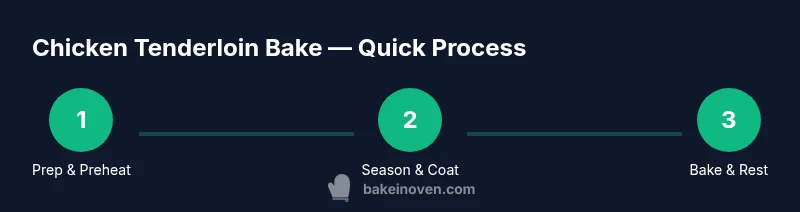
- Preheat the oven to 425°F and prepare a parchment-lined sheet. 2) Pat tenderloins dry, then coat lightly with oil and seasonings. 3) Arrange pieces in a single layer with space between each. 4) Bake for 12–15 minutes, then check internal temperature at the thickest part. 5) If needed, continue baking in 2–3 minute increments until 165°F. 6) Remove from oven and rest for 5 minutes before serving. 7) Slice and serve with a fresh squeeze of lemon or a herb garnish. Pro tip: rotate the pan halfway for even browning.
Baking times by thickness and pan type
Thinner tenderloins (about 1/4 inch) can finish closer to 12 minutes; thicker pieces (up to 1/2 inch) may require 14–15 minutes or a minute or two more. If you use a glass baking dish, expect a touch longer bake time, as glass heats more slowly than metal. A rimmed sheet pan provides better air exposure and reduces the risk of steaming. Keep a meat thermometer handy to verify the 165°F target, especially when cooking for kids or older adults who may require precise doneness.
Finishing touches: browning and resting
Let the tenderloins rest 5 minutes after removal to let the juices reabsorb and the interior finish setting. A short rest makes the meat juicier and easier to slice. If you like a more pronounced crust, return the pan to the oven for 1–2 minutes at 450°F (232°C) on the final pass, watching closely to avoid burning. Finish with a light dusting of herbs, a squeeze of fresh lemon, or a drizzle of olive oil just before serving for a bright, fresh finish.
Troubleshooting common issues
If the meat seems dry, you likely baked too long or at too high a temperature for those tenderloins. Try shortening the bake time by 2–3 minutes next round or reducing the oven temperature by 25°F and then finishing under broil for browning. If pieces curl or twist, ensure each piece is evenly thick and spaced; crowded pans cause uneven cooking. For uneven browning, switch from parchment to a lightly oiled sheet or use a wire rack so air circulates around every piece. Finally, always double-check with a thermometer rather than relying on time alone.
Batch cooking and meal prep ideas
A chicken tenderloin bake scales well for meal prep. Bake a larger batch on a single sheet, then portion into airtight containers with sides like quinoa, roasted vegetables, or leafy greens. The leftovers reheat nicely in a quick pan-sear or in a microwave with a splash of broth to restore moisture. To add variety, toss cooked tenderloins with different finishing sauces across the week—pesto, lemon-basil, or a light teriyaki glaze all pair well with the baked chicken tenders.
Tools & Materials
- boneless chicken tenderloins(about 1.0-1.5 pounds total; trim to even thickness)
- olive oil(for coating and flavor adherence)
- salt(to taste; start with 1/2 teaspoon per pound)
- black pepper(freshly ground preferred)
- garlic powder(1/2 teaspoon per pound for subtle depth)
- paprika(smoked if you have it, for color)
- parmesan(optional finish for crust and flavor)
- parchment paper(line the sheet to prevent sticking)
- baking sheet(rimmed for catch drips)
- meat thermometer(check for 165°F doneness)
- tongs(for safe handling of hot meat)
- mixing bowl(for coating and seasoning blend)
Steps
Estimated time: 30-40 minutes
- 1
Preheat oven to 425°F (218°C)
Set the oven to a high, even temperature to promote browning while keeping the interior juicy. Allow the oven to fully reach the target temperature before placing the meat inside.
Tip: Use an oven thermometer to confirm accuracy. - 2
Line sheet with parchment
Prepare a rimmed baking sheet by lining it with parchment paper to prevent sticking and simplify cleanup after baking.
Tip: Parchment reduces cleanup time and helps prevent scorching. - 3
Pat tenderloins dry and trim
Dry surfaces ensure better browning. Trim any thick or uneven parts so all pieces cook at a similar rate.
Tip: Even thickness yields consistent doneness across pieces. - 4
Prepare seasoning mix
Combine salt, pepper, garlic powder, paprika, and optional parmesan in a small bowl to create a uniform rub.
Tip: Mix well to avoid clumps that unevenly season the meat. - 5
Coat tenderloins
Toss the tenderloins in a light coating of oil, then sprinkle with the seasoning mix until all surfaces are covered.
Tip: A light oil helps weigh down seasonings for even coverage. - 6
Arrange and bake
Place the seasoned tenderloins on the parchment-lined sheet in a single layer, spaced apart. Bake 12–15 minutes, until an internal temp of 165°F is reached.
Tip: Rotate the pan halfway to ensure even browning. - 7
Rest and serve
Remove from oven and let rest for 5 minutes before serving to redistribute juices.
Tip: Resting improves tenderness and juiciness.
Frequently Asked Questions
Can I use chicken breast instead of tenderloins?
Yes, you can substitute chicken breast, but keep thickness even and monitor time; breasts may require a few minutes more or less depending on thickness. Use a thermometer to confirm doneness.
Yes, you can swap in chicken breast, but check thickness and use a thermometer to verify doneness.
What is the safe internal temperature for chicken?
Chicken should reach an internal temperature of 165°F (74°C) to ensure safety and juiciness. Always verify with a meat thermometer.
Cook chicken to 165 degrees Fahrenheit to be safe and juicy.
How can I add more flavor without adding fat?
Use a flavorful rub with dried herbs, citrus zest, and a splash of olive oil. Finish with fresh herbs or a light glaze after baking.
Try a citrus-herb rub and finish with herbs after baking.
Can I freeze these tenderloins before baking?
It's best to thaw completely before baking for even cooking. If freezing is necessary, thaw in the fridge overnight and pat dry before seasoning.
Thaw completely before baking for best results.
Is breading necessary for texture?
Breading is optional. A light oil and spice rub yields a crisp exterior without extra prep. For a crunch, add a thin coating of breadcrumbs mixed with parmesan.
Not required—oil and spices do the job; breadcrumbs add crunch if you like.
What if I don’t have parchment paper?
Lightly oil the sheet or use a silicone baking mat to prevent sticking. Expect a touch more browning time if using foil directly.
Oil the pan or use a silicone mat to prevent sticking.
Watch Video
Key Takeaways
- Preheat oven to 425°F for best browning.
- Keep tenderloins evenly spaced on parchment.
- Aim for 165°F internal temperature.
- Rest briefly before serving.