What to Do with Bake Chicken: A Complete How-To Guide
Learn how to bake chicken with safe temps, step-by-step technique, flavor ideas, and storage tips. This educational guide covers breasts, thighs, and meal-prep strategies to yield juicy, evenly cooked results for home bakers.


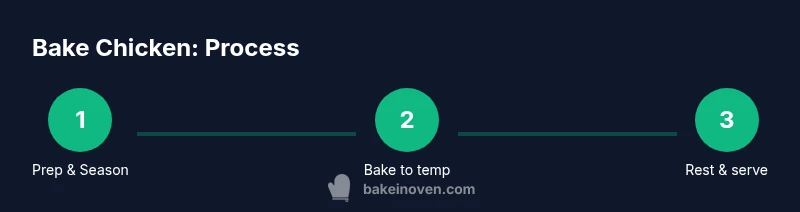
You can bake chicken by following a simple method: pat dry, season, and bake in a preheated oven at 425°F until the internal temperature reaches 165°F. For breasts, bake 18-22 minutes; thighs 25-30 minutes. Let rest 5 minutes before slicing for juicy results. Optionally brush with butter or olive oil for flavor.
Preparing Chicken for Baking
To begin, choose the right cut and plan for thawing if needed. What to do with bake chicken starts with prep: pat dry, trim excess fat, and bring the meat to a uniform thickness for even cooking. If you’re working with frozen chicken, plan extra time or thaw in the fridge overnight. Dry surfaces promote even browning and help spices adhere.
Patting dry with paper towels eliminates surface moisture that can steam the surface rather than roast it. Even thickness helps the heat reach the thickest part at the same pace. For bone-in pieces, there will be a longer cooking time; boneless cuts finish quicker and are more forgiving. For extra flavor, rub a light coat of oil on all sides after drying, then season generously with salt, pepper, and your preferred savory blend. If you’re unsure what to do with bake chicken, begin with simple, reliable seasonings: salt, pepper, garlic powder, baby herbs, and a squeeze of lemon.
Finally, portion sizes matter: aim for uniform thickness. If some pieces are much thinner, either pound them slightly or separate them to avoid uneven doneness.
Safe Handling and Temperature Foundations
Handling chicken safely reduces the risk of foodborne illness. Always wash hands and surfaces after contact with raw poultry, and keep raw meat separate from ready to eat foods. The core guideline is to cook chicken until its internal temperature reaches 165°F (74°C) as measured by a calibrated thermometer. Times vary by cut and thickness, so relying on a thermometer is more accurate than a clock.
For breasts, you will typically see 18-22 minutes at a hot oven, while thighs or drumsticks may require 25-30 minutes. Tailor your plan to the size of the pieces and avoid overcrowding the pan so air can circulate. If you notice grayish or pinkish areas near the bone, continue cooking until the temperature is safe throughout. After removing from the oven, let the meat rest for a few minutes to redistribute juices.
Quality comes from consistency, so aim for pieces that are similar in size. If you are unsure what to do with bake chicken, use a simple, well tested temperature target and predictable resting time.
Flavoring Ideas: Rubs, Marinades, and Sauces
One of the easiest ways to elevate baked chicken is to add flavor through rubs, marinades, or sauces. A quick dry rub of salt, pepper, paprika, garlic powder, and dried herbs yields a robust crust without extra moisture. For a brighter profile, mix lemon zest, olive oil, minced garlic, and thyme as a marinade for 20 to 60 minutes before baking. If you prefer a glaze, whisk honey or maple with Dijon mustard and a splash of cider vinegar to finish in the last 5 minutes.
If you are following the what to do with bake chicken question, consider rotating flavor profiles week to week: Mediterranean with oregano and lemon, Mexican inspired with chili powder and cumin, or Asian inspired with ginger and sesame oil. Always pat the surface dry again after marinating to ensure crispness.
Step-By-Step Baking Method
Preheat the oven to 425°F (220°C) and position a rack in the middle. Line a sheet pan and lightly oil it. Arrange the chicken pieces in a single layer with space between them so hot air can circulate. Start with the thicker parts toward the center for even cooking. Bake until the internal temperature reaches 165°F, which for breasts typically takes 18-22 minutes and 25-30 minutes for thighs. Use a thermometer to check the thickest part without touching bone.
Once done, remove from the oven and rest the chicken for 5 minutes before slicing. If you want extra color, brush with melted butter during the final minute of baking or broil briefly to finish. For those wondering what to do with bake chicken, this method yields juicy, evenly cooked results.
Common Mistakes and How to Fix Them
Overcooking leads to dry meat and tough texture, while undercooking risks foodborne illness. A common trap is guessing the time by looks alone; always confirm with a thermometer. Crowding the pan or using a cold pan slows heat transfer and leads to uneven doneness. Another frequent error is skipping the rest period, which lets juices escape when you cut the meat.
Variations by Cut: Breasts vs Thighs vs Drumsticks
Breasts cook fastest and benefit from a shorter rest time. Thighs and drumsticks tolerate longer cooking and benefit from higher fat content that keeps them juicy. Bone in pieces require more time than boneless. For white meat lovers, you can finish breasts with a brief broil or high heat to develop a golden crust while still inside safe temperature range. For leftovers, chop into portions for even reheating.
One-Pan Sheet-Pan Meal Prep
Sheet pan cooking scales well for weeknight meals. You can bake chicken alongside vegetables such as potatoes, carrots, or Brussels sprouts on a single pan. Keep pieces the same thickness, and cut vegetables into similarly sized chunks for even cooking. This approach reduces cleanup and makes it easy to compute servings for the week. If you’re thinking about what to do with bake chicken for meal prep, this is a reliable strategy that yields flavorful, portioned results.
Serving, Storage, and Leftovers
Serve baked chicken with a simple starch or a fresh green salad to balance the meal. To store leftovers, transfer cooled chicken to an airtight container and refrigerate within two hours. Properly stored, cooked chicken remains safe for up to four days in the fridge. For longer storage, freeze in labeled portions for up to three months. Reheat gently to avoid drying; add a splash of broth or water if needed.
Authoritative Sources
For evidence based guidelines on cooking poultry, consult the following sources:
- https://www.fsis.usda.gov/food-safety/safe-food-handling-and-preparation/meat-and-poultry
- https://www.cdc.gov/foodsafety/index.html
- https://www.hsph.harvard.edu/nutritionsource/healthy-eating/foodsafety/
Tools & Materials
- Oven preheated to 425°F (220°C)(Ensure rack is centered)
- Baking sheet or rimmed pan(Line with parchment or foil for easy cleanup)
- Meat thermometer(Probe thickest part; avoid bone)
- Parchment paper or aluminum foil(Helpful for cleanup)
- Paper towels(Pat dry chicken well)
- Kitchen tongs(Turn pieces safely)
- Salt, pepper, and favorite spices(Flavor foundation)
- Butter or olive oil(Optional finishing glaze)
Steps
Estimated time: 35-50 minutes
- 1
Pat dry and prep
Pat the chicken dry with paper towels and trim excess fat. This reduces surface moisture which can steam rather than roast, helping achieve a crisp, golden exterior. If pieces vary in thickness, gently even them out with light pounding or trimming.
Tip: Dry surfaces ensure spices stick and color develops nicely. - 2
Season evenly
Lightly coat with oil, then season all sides with salt, pepper, and a chosen spice blend. For deeper flavor, rub under the skin where possible on larger cuts, especially chicken breasts.
Tip: Seasoning under the skin boosts flavor without extra moisture. - 3
Preheat and prepare pan
Preheat the oven to 425°F (220°C) and place a rack in the middle. Line a sheet pan and lightly oil it to prevent sticking. These steps help promote even browning.
Tip: A hot pan promotes a crisp crust on the exterior. - 4
Arrange with space
Place the chicken pieces in a single layer on the pan with at least 1/2 inch of space between pieces. Crowding traps steam and leads to uneven doneness.
Tip: Single-layer layout ensures consistent cooking. - 5
Bake and monitor
Bake until the thickest part reaches 165°F (74°C). Breasts typically require 18-22 minutes, thighs 25-30 minutes. Check with a thermometer for accuracy.
Tip: Start checking near the 18-minute mark to prevent overcooking. - 6
Rest the meat
Remove from oven and rest for 5 minutes. Resting allows juices to redistribute, resulting in juicier slices.
Tip: Skip resting and you’ll lose moisture on the cut edges. - 7
Finish with flavor (optional)
If you like, brush with melted butter or olive oil in the last minute, or briefly broil to enhance color while keeping internal temp safe.
Tip: A quick finish adds aroma and color without overcooking. - 8
Slice and serve
Slice against the grain for tenderness and serve with a fresh side. This helps even portions and improves texture.
Tip: Slicing after a brief rest preserves juiciness. - 9
Store leftovers
Cool briefly and store in airtight containers in the fridge within two hours. Reheat gently when ready to eat.
Tip: Label portions to help quick weeknight meals.
Frequently Asked Questions
What is the best temperature to bake chicken?
A common, reliable temperature is 425°F (220°C) for a quick bake, with adjustments based on cut and thickness. Always verify doneness with a thermometer at 165°F.
Bake at 425 degrees Fahrenheit and check the temperature with a thermometer to reach 165 degrees.
How long should I bake chicken breasts?
Bake breasts for about 18-22 minutes at 425°F, then rest 5 minutes. Thicker pieces may require a bit longer; always confirm with a thermometer.
Typically 18 to 22 minutes for breasts at 425, plus a rest.
Can I bake chicken from frozen?
Yes, but expect longer cooking times and ensure the interior reaches 165°F. Frozen pieces should be spaced to promote even heat.
Yes, but bake longer and confirm doneness with a thermometer.
Should I wash chicken before cooking?
No. Washing raw chicken spreads bacteria and is not necessary. Cooking to a safe temperature is the reliable safety step.
No, don’t wash; cook to the safe temperature.
What if my chicken browns too quickly?
Lower the oven temperature or loosely cover with foil to slow browning while the interior finishes cooking.
Lower heat or cover loosely to prevent over-browning.
How should I store leftovers?
Cool promptly and refrigerate within two hours. Use within four days or freeze for longer storage.
Refrigerate promptly; use within 3-4 days or freeze.
Watch Video
Key Takeaways
- Pat dry and season for even browning.
- Use a thermometer to hit 165°F safely.
- Space pieces and avoid overcrowding.
- Rest before slicing to preserve juices.
- Experiment with rubs and finishes for variety.