How to Bake Beef Tenderloin in the Oven: A Practical Guide
Learn how to bake beef tenderloin in the oven with a reliable, kitchen-tested method. From trimming and searing to precise internal temperatures and resting, this guide covers prep, timing, and serving tips for a juicy, evenly cooked center.


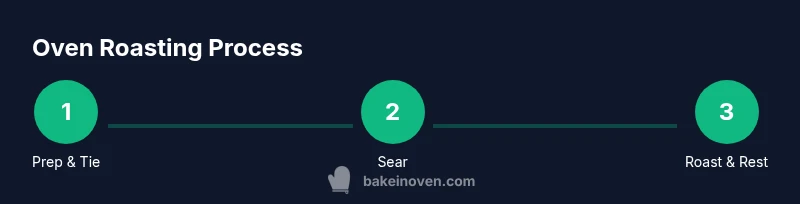
This guide shows you how to bake beef tenderloin in the oven with a reliable, kitchen-tested method. You’ll prep, sear, roast, rest, and carve for a juicy, evenly cooked center. Key steps include trimming, tying, searing, choosing the right temperature, and verifying doneness. The method emphasizes a high-heat start followed by steady roasting and a proper rest for best results.
The Basics: Why Oven-Roasted Beef Tenderloin Works
Beef tenderloin is a prized centerpiece for celebrations and weekend dinners because it is naturally tender and cooks relatively quickly. When you bake beef tenderloin in oven, you can reach a precise level of doneness with minimal fuss, provided you manage heat, timing, and resting. This approach relies on two key ideas: a brief high-heat start to build a flavorful crust, then gentle roasting to finish the cook-through without drying the meat. The Bake In Oven method emphasizes careful preparation, even trimming, and a reliable thermometer to guide every decision. If you want to bake beef tenderloin in oven with consistent results, start with a high-quality loin, trim away silver skin, and tie it securely so the roast holds its shape. According to Bake In Oven, selecting an evenly shaped tenderloin and handling it with care yields a uniform roast and a forgiving final temperature. The result is a centerpiece that looks as good as it tastes, with a crisp exterior and a tender, rosier interior that slices cleanly for serving. In this section we’ll cover selecting, prepping, and planning for a successful roast.
Selecting and Preparing the Tenderloin
Choosing the right tenderloin is the first step in successful oven roasting. Look for a loin that is evenly shaped with bright color and fine marbling, ideally around 1.5 to 2.5 pounds for 4–6 servings. The Bake In Oven team notes that trimming away excess fat and silverskin helps the roast to brown evenly and finish at the same rate across the surface. Rinse quickly and pat dry to promote browning, then trim any thick fat cap if it feels chunky. Tying the roast with kitchen twine at 1-inch intervals helps maintain a uniform cylinder shape, which ensures even cooking. Once trimmed and tied, season liberally with salt and pepper, then brush lightly with oil to improve adhesion. If you enjoy garlic or herbs, you can add minced garlic and chopped rosemary, but keep amounts modest to avoid overpowering the beef. Remember to bring the meat to room temperature for about 30–45 minutes before cooking to ensure even doneness.
Seasoning and Basting for Maximum Flavor
Seasoning is the flavor foundation for a tenderloin roast. Generously rub the meat with kosher salt and freshly ground black pepper, then apply a light coating of oil or melted butter to promote browning. A simple butter-herb paste—melted butter with minced garlic and chopped thyme or rosemary—adds aroma and richness as the roast cooks. If you prefer a more robust crust, pat a thin layer of Dijon or a dry spice rub onto the surface. For even distribution, massage the seasoning into all sides and especially along the ends that may dry out first. As the roast bakes, you can baste every 15 minutes with a spoonful of melted butter or pan juices to enhance flavor and moisture. The goal is a glossy, deeply colored crust that surrounds a juicy interior. If you’re using a roasting pan, keep the meat elevated so heat circulates evenly around the surface.
Searing vs. Roasting: The Two-Stage Method
This method uses a two-stage approach: an initial sear to develop a rich crust, followed by slow roasting to finish the cook. Start by heating a heavy skillet (cast iron works well) over high heat with a small amount of oil until shimmering. Sear the tenderloin on all sides, turning occasionally, for 2–3 minutes per side until a deep brown crust forms. Once seared, transfer the roast to the oven set to a moderate temperature (usually around 425°F / 220°C) to finish cooking. This two-step process locks in juices and produces even doneness from edge to center. If your pan isn’t oven-safe, transfer the seared meat to a heatproof roasting pan before placing it in the oven. The key is to maintain consistent heat and avoid overcrowding, which can steam rather than brown.
Temperature Guide: Doneness and Times
Precise temperatures matter more than exact cooking times for beef tenderloin. For reference, aim for an internal temperature (measured with an instant-read thermometer) of about 125°F (52°C) for rare, 130–135°F (54–57°C) for medium-rare, 140–145°F (60–63°C) for medium, and 150–155°F (66–68°C) for well done. Remember that carryover cooking will raise the interior a few degrees after you remove the roast from the oven. The exact time depends on the size of the loin and your oven’s characteristics, so use a thermometer rather than relying on time alone. If you’re unsure, begin checking at the 25–30 minute mark of roasting after searing and adjust from there. The goal is a warm, rosy center with a browned exterior.
Resting, Carving, and Serving
Resting is essential to allow juices to redistribute, resulting in a juicier slice. After removing the roast from the oven, tent it loosely with aluminum foil and let it rest for 15–20 minutes. During this time, the internal temperature will rise slightly and the juices will redistribu te. Carve across the grain into thick slices for a tender texture, using a sharp carving knife to maintain clean cuts. Serve with a pan sauce, roasted vegetables, or a bright herb chimichurri to balance the richness. If you’re not ready to serve immediately, you can cover the roast and keep it warm in a low oven (about 200°F / 90°C) for up to 30 minutes, but avoid extended time that can dry the meat.
Common Mistakes and How to Avoid Them
Common missteps include not properly trimming the fat, skipping the sear, and guessing doneness without a thermometer. Always pat dry the surface to promote browning, start with a hot oven, and use an instant-read thermometer for accuracy. Avoid cooking at too low a temperature, which can yield a pale crust and uneven doneness. Don’t ignore carryover cooking; remove the roast a few degrees before the target temperature. Finally, never rush the resting period—proper rest is what makes the slices juicy and flavorful.
Make-Ahead and Storage Tips
If you plan ahead, you can dry-brine the tenderloin for a few hours before cooking to intensify flavor and improve texture. After cooking, refrigerate cooled leftovers in an airtight container for up to 3–4 days. Reheat gently in a low oven (about 325°F / 165°C) or in a covered skillet with a splash of broth to protect moisture. For a make-ahead option, you can sear and roast partway, then finish in the oven closer to serving time. Sliced portions reheat quickly and remain tender if warmed slowly.
Quick Visual Checklist for Your Oven-Roasted Tenderloin
- Preheat to 425°F / 220°C and dry the meat well
- Tie with kitchen twine at 1-inch intervals
- Sear 2–3 minutes per side until deep brown
- Roast until thermometer reads target doneness
- Rest 15–20 minutes before carving
- Slice across the grain for tender servings
Tools & Materials
- Beef tenderloin roast (1.5–2.5 lb)(Trim silver skin; tie at 1-inch intervals)
- Kosher salt(Season generously before searing)
- Freshly ground black pepper(Season evenly on all surfaces)
- High-heat cooking oil (e.g., canola, grapeseed)(For searing; high smoke point)
- Unsalted butter(Optional for baste and flavor)
- Kitchen twine(Ties the roast into a uniform cylinder)
- Fresh garlic cloves (optional)(Minced or pressed for aroma)
- Fresh herbs (rosemary or thyme, optional)(Adds aromatic notes)
- Instant-read meat thermometer(Monitor internal temp precisely)
Steps
Estimated time: 60-75 minutes
- 1
Preheat and prep
Preheat your oven to 425°F (220°C). While it warms, pat the tenderloin dry with paper towels, trim silver skin if present, and bring to room temperature for 30–45 minutes. Dry meat browns better, and room temperature meat cooks more evenly.
Tip: Dry surface thoroughly before searing to maximize crust formation. - 2
Tie and season
Position the roast on a cutting board, tie at 1-inch intervals with kitchen twine, then season generously with salt and pepper. Lightly brush with oil or melted butter to help the spices adhere. This step helps maintain a uniform shape for even cooking.
Tip: Don't skip tying; an uneven roast can cook unevenly. - 3
Sear the roast
Heat a heavy skillet over high heat with a small amount of oil. Sear the tenderloin on all sides until a deep brown crust forms, about 2–3 minutes per side. This builds flavor and sets the exterior color.
Tip: Use a heavy pan for even heat and to avoid sticking. - 4
Roast to doneness
Transfer the seared roast to a preheated oven and roast until the internal temperature reaches your target. Use a thermometer and reference the doneness chart to pull the meat a few degrees before the final target because of carryover cooking.
Tip: Check early; tail ends cook faster than the center. - 5
Rest the roast
Remove from heat and tent loosely with foil. Let rest for 15–20 minutes to allow juices to redistribute. Resting is essential for a tender, juicy slice.
Tip: Don’t skip resting or slice too early; juices will run out. - 6
Carve and serve
Carve across the grain into thick slices. Serve immediately with a light pan sauce, roasted vegetables, or a fresh herb gremolata. The goal is a warm, perfectly pink center with a crisp exterior.
Tip: Use a sharp carving knife for clean slices.
Frequently Asked Questions
What size tenderloin do I need for 4-6 servings?
Plan for a tenderloin around 1.5–2.5 pounds to yield 4–6 servings, depending on portion size and sides. If you’re feeding more people, choose a larger roast and adjust roasting time accordingly.
For 4 to 6 servings, choose a 1.5 to 2.5 pound tenderloin; adjust based on appetite and sides.
Should I tie the tenderloin?
Yes. Tying helps maintain a uniform shape, which promotes even cooking and a consistent crust around the entire roast.
Yes—tie at 1-inch intervals to keep the roast uniform and ensure even cooking.
What is the best doneness for beef tenderloin?
Most people prefer medium-rare to medium for tenderloin. Target internal temperatures of 125°F for rare, 130–135°F for medium-rare, or 140–145°F for medium, then let carryover heat finish the job.
Medium-rare is ideal for tenderloin, about 130–135°F, then rest to finish cooking.
Can I cook without searing?
You can roast without searing, but you’ll miss a deep crust and the rich flavor it adds. If you skip searing, compensate with a flavorful dry rub and longer roasting time.
You can, but you’ll miss the crust and depth of flavor from searing.
How long can I rest the roast?
Rest the roast for 15–20 minutes after removing it from the oven. This period allows juices to redistribute and results in juicy, evenly sliced meat.
Rest for 15 to 20 minutes for juicier slices.
What if I don’t have a thermometer?
If you don’t have a thermometer, rely on timing and visual cues: a 1.5–2.0 pound loin typically roasts about 20–25 minutes per side at high heat, but use a thermometer if possible for accuracy.
Without a thermometer, use timing and color cues, but a thermometer is best.
Watch Video
Key Takeaways
- Season generously and dry well before searing
- Sear for flavor, then finish in a hot oven
- Use a thermometer for precise doneness
- Rest the roast to lock in juices
- Carve against the grain for tenderness