How to Bake a Beef Tenderloin in the Oven
Learn how to bake a beef tenderloin in the oven with prep, searing, roasting, resting, and carving tips. Thermometer-guided doneness and a flavorful crust for a juicy, restaurant-quality roast at home.


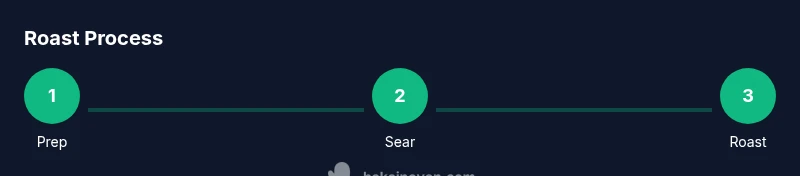
You will learn how to bake a beef tenderloin in the oven, from selecting and trimming to seasoning, searing, roasting, and resting for a juicy, evenly cooked roast. The approach centers on using a reliable meat thermometer, allowing natural carryover heat, and building a crust with even seasoning for impressive results every time.
Choosing the beef tenderloin and sourcing tips
Beef tenderloin is renowned for its tenderness and mild beef flavor, making it a favorite for special-occasion roasts. If you’re wondering how to bake a beef tenderloin in the oven, start with a center-cut loin that weighs about 2 to 4 pounds, which serves 4 to 6 people. Look for uniform thickness and even marbling; avoid pieces with excessive exterior fat or thick pockets of gristle. For best results, buy from a reputable butcher or grocer who can confirm freshness and origin. Let the meat come to near-room temperature before seasoning to promote even cooking. These sourcing decisions set the stage for crust formation and predictable doneness in a home oven.
Preparing the tenderloin: trimming, pat dry, and tying
Trim away any silver skin and excess fat from the surface so the meat browns evenly. Pat the surface dry with paper towels to improve searing, then tie the tenderloin with butcher’s twine at 2- to 3-inch intervals if the ends differ in thickness. The goal is a uniform cylinder to promote even cooking. A light coat of neutral oil helps the salt adhere and enhances crust formation. If you’re short on time, you can skip tying, but ensure the roast stands evenly on the rack for uniform heat exposure.
Seasoning for flavor: dry brine, herbs, and crust
Season generously with kosher salt at least 45 minutes before cooking (or up to overnight in the fridge for a dry brine). Add freshly ground black pepper and a touch of minced garlic or chopped fresh herbs like rosemary and thyme. A thin coating of olive oil helps the seasonings stick and contributes to a flavorful crust. For extra depth, consider a light peppercorn crust or a tiny amount of Dijon mustard brushed on before oiling. The seasoning not only flavors the meat but also supports a robust crust during high-heat roasting.
Searing for crust: when and how
Searing is a powerful step to develop a rich, caramelized crust that seals in juices. Preheat a heavy skillet (cast iron works best) over high heat and add a small amount of oil with a high smoke point. Sear the tenderloin on all sides, turning with tongs, until the surface is deeply bronzed and crisp—usually 2–3 minutes per side. If the ends are thinner, rotate them to prevent overcooking. The sear time is short but critical for flavor; do not skip this step if you want a well-defined crust.
Roasting: temperature, time, and doneness targets
After searing, roast in a preheated oven at 425°F (220°C) for a balance of crust and center doneness. Use an instant-read thermometer to monitor internal temperature and aim for 120–125°F (rare), 125–130°F (medium-rare), or 135–140°F (medium) as the meat rests. Remember that carryover heat will lift the final temperature by about 5–10°F. Plan rough guidelines of roughly 12–20 minutes per pound for medium-rare, adjusting for roast thickness and oven performance. Remove from the oven a few degrees below your target, then tent loosely with foil during rest.
Resting, carving, and serving
Rest the roast for 15–20 minutes, tented loosely with foil, to let juices redistribute and to finish carryover cooking. Slice the beef tenderloin along its grain into even medallions, about 1/2 inch thick, to maximize tenderness on the palate. Serve with a pan jus, red-wine reduction, or a simple herb butter. Slice just before serving to preserve warmth and juiciness. Proper resting is as important as proper searing for achieving a juicy, tender result.
Troubleshooting common issues
If the center seems undercooked after resting, return to a hot oven for a few minutes or finish on the stove with a quick pan-sear, but be cautious about drying out the crust. If the crust is burnt or the exterior browns too quickly, lower the oven temperature by 25°F and extend the roast time slightly for even cooking. Uneven thickness can cause hot and cool zones—try tying the roast more tightly or shaving thinner ends so the center heats evenly. Always rely on a thermometer rather than time estimates for reliability.
Variations: flavors, accompaniments, and make-ahead plans
For a different flavor profile, try a garlic-herb crust with minced garlic, rosemary, and lemon zest, or a peppercorn crust with crushed peppercorns and Dijon. Pair the roast with classic sides like roasted potatoes, green beans, or a wine-based sauce. You can prepare components (trimmed tenderloin, seasoning mix, and pan jus) ahead of time; simply assemble right before roasting for a faster weeknight version of a premium centerpiece.
Tools & Materials
- Beef tenderloin (center-cut, 2-4 lb)(Choose a piece with even thickness)
- Meat thermometer (instant-read or probe)(Insert into center thickest part)
- Roasting pan with rack(Elevates meat for even heat)
- Kitchen twine(If tying, secure at 2-3 inch intervals)
- Sharp knife and kitchen shears(For trimming and carving)
- Aluminum foil(Tent the roast during resting)
- Paper towels(Pat dry before seasoning)
- Olive oil, kosher salt, black pepper(Base seasonings and texture)
Steps
Estimated time: 1 hour 20 minutes
- 1
Select and trim the tenderloin
Choose a center-cut piece of beef tenderloin about 2-4 pounds. Trim away silverskin and visible fat so the surface is smooth for even browning. If needed, remove the tail to create a uniform cylinder for even cooking.
Tip: Trim all visible silver skin; it doesn’t render like meat and can cause chewiness. - 2
Pat dry and tie the roast
Pat the meat dry with paper towels to promote crust formation. If the ends diverge in thickness, tie with kitchen twine at 2-3 inch intervals so heat distributes evenly.
Tip: A dry surface ensures a crisp crust during searing. - 3
Season and rest briefly
Brush lightly with olive oil, then season generously with kosher salt and pepper. Allow the meat to rest at room temperature for about 30-45 minutes to reduce temperature variance inside.
Tip: A short rest helps reduce cool spots and improves crust impact. - 4
Sear on all sides
Preheat a heavy skillet over high heat and sear the tenderloin in a thin layer of oil until deeply browned on all faces, about 2-3 minutes per side. Use tongs to rotate evenly and avoid crowding.
Tip: A good crust forms quickly—don’t move the meat too soon. - 5
Roast to target temperature
Transfer the seared roast to a rack in a preheated 425°F oven. Monitor internal temperature with a thermometer; pull at 120-125°F for rare, 125-130°F for medium-rare, or 135-140°F for medium, allowing 5-10°F carryover.
Tip: Use a thermometer; time estimates vary with thickness and oven accuracy. - 6
Rest before carving
Remove from heat and tent lightly with foil for 15-20 minutes. Resting redistributes juices and completes carryover cooking for a consistent pink center.
Tip: Do not skip resting—it’s essential for juiciness. - 7
Carve and serve
Slice along the grain into medallions about 1/2 inch thick. Serve immediately with pan jus or a favorite sauce and complementary sides.
Tip: Slice just before serving to preserve warmth and tenderness.
Frequently Asked Questions
Should I trim the silver skin before roasting?
Yes. Removing silver skin helps the meat render properly and ensures a tender bite. Trim carefully with a sharp knife.
Yes, trimming the silver skin helps with tenderness and even cooking. Use a sharp knife and work slowly.
Is it better to season with salt ahead of time?
A light dry brine with salt improves flavor penetration and crust formation. You can season 45 minutes to overnight for best results.
A brief dry brine helps flavor and crust. You can season from 45 minutes up to overnight.
What is the ideal internal temperature for medium-rare?
Aim for 130-135°F (54-57°C) before resting. Expect carryover to bring it to about 135-140°F after resting.
Target about 130 to 135 degrees, then let it rest to finish cooking.
Can I cook at a lower temperature for more even doneness?
Yes, slower roasting at a lower temp can yield very even doneness, but it requires longer cook times and careful thermometer use.
You can roast at a lower temp if you have time, but monitor doneness closely.
Should I sear before roasting every time?
Searing is recommended for flavor and crust, but not strictly required. If you skip it, the crust may be lighter.
Searing adds flavor and crust, but you can skip if pressed for time.
How long should I rest the beef tenderloin?
Rest for 15-20 minutes after roasting to redistribute juices and finish carryover cooking.
Rest it for 15 to 20 minutes before slicing.
Watch Video
Key Takeaways
- Choose a center-cut tenderloin for uniform cooking
- Thermometer-guided temps ensure perfect doneness
- Sear first, then roast for crust and juiciness
- Rest 15-20 minutes before carving for peak tenderness
- Slice against the grain for tender portions